Category: Business & Services

  • How IB Preschools Nurture Confident And Independent Learners In Singapore

    Early childhood education in Singapore plays a defining role in shaping how children perceive learning, relationships, and personal capability over time. Educational environments during the preschool years influence emotional security, communication habits, problem awareness, and the confidence needed to explore unfamiliar ideas. These early experiences establish foundational attitudes that guide curiosity, resilience, and self-directed growth throughout later stages of academic.

    IB Pre school singapore attract attention for their balanced focus on academic readiness, emotional development, and independence. These programs reflect educational priorities that support confident learning habits, emotional stability, and early personal responsibility from the start. This article outlines how IB preschools cultivate confidence, autonomy, responsibility, and learner agency during formative years.

    Child-Centred Learning as a Core Educational Principle

    IB preschools operate through an approach that places children at the centre of every learning experience. Educators in Singapore observe interests carefully and shape lessons around curiosity rather than fixed instruction plans. This method creates a sense of ownership that strengthens internal motivation naturally. Children participate actively instead of passively absorbing information delivered by adults.

    Confidence develops through respectful acknowledgement of personal ideas and perspectives. Independence emerges as students take responsibility for choices made throughout the day. Teachers guide thoughtfully while allowing children space to attempt tasks independently. Such environments reinforce self-belief through consistent trust and encouragement.

    Inquiry-Based Exploration That Builds Confidence

    Inquiry-driven learning forms a cornerstone of the IB early years philosophy. Children explore concepts through purposeful activities designed to encourage questioning and discovery. Educators in Singapore frame experiences that invite investigation without presenting immediate conclusions. This structure allows them to develop reasoning skills through observation and experimentation.

    Confidence grows as children realise personal thinking holds value within group discussions. Independence strengthens through repeated opportunities to initiate ideas and follow interests. Mistakes receive positive framing as opportunities for reflection and growth. Such exploration supports intellectual curiosity without pressure or fear.

    Emotional Awareness and Social Understanding

    IB preschools emphasise emotional literacy as a foundation for confident communication. Educators model respectful language and calm emotional expression during daily interactions. Children learn to recognise feelings and express emotions clearly through guided discussion. This emotional awareness supports healthy peer relationships within shared spaces.

    Confidence strengthens when they feel understood and emotionally secure. Independence develops as children manage feelings and resolve minor conflicts thoughtfully. Social understanding grows through collaborative tasks that encourage empathy. These skills establish strong interpersonal foundations for future learning environments.

    Structured Routines That Promote Responsibility

    Predictable routines play an essential role within IB preschool classrooms. Daily schedules provide stability while offering meaningful opportunities for self-management. Children participate in organising materials and preparing learning spaces independently. These responsibilities nurture accountability through consistent practice rather than instruction alone.

    Confidence develops as children complete tasks successfully without constant supervision. Independence strengthens through familiarity with expectations and processes. Structured routines reduce uncertainty and promote calm participation. Responsibility becomes an internal habit rather than an external requirement.

    Cultural Awareness and Global Perspective

    The best pre school in singapore introduce cultural awareness through stories, celebrations, and shared experiences. Children explore traditions and perspectives from diverse communities respectfully. Educators present diversity as a natural part of everyday learning. This exposure builds comfort with differences and encourages open-minded attitudes.

    Confidence grows as students engage with unfamiliar ideas positively. Independence develops through personal identity formation within a global context. Cultural sensitivity becomes embedded through daily interactions rather than isolated lessons. These experiences foster ethical awareness from an early age.

    Reflective Thinking as a Learning Habit

    Reflection remains an integral component of the IB early education approach. Educators encourage children to discuss experiences and learning outcomes regularly. Guided reflection helps them recognise progress and areas for improvement. This practice builds self-awareness and thoughtful decision-making abilities.

    Confidence strengthens through recognition of achievements and effort. Independence develops as they take responsibility for personal growth. Reflection supports deeper understanding rather than surface-level education. Such habits prepare children for lifelong educational engagement.

    Classroom Practices That Support Learner Autonomy

    • Learning spaces allow children to select activities based on readiness and interest levels.
    • Open-ended materials encourage problem-solving without predetermined outcomes.
    • Educators ask thoughtful questions that promote reasoning and explanation.
    • Visual schedules help them manage transitions independently.
    • Classroom responsibilities rotate to provide leadership opportunities.
    • Calm feedback supports persistence and self-correction.
    • Peer collaboration strengthens communication and shared accountability.
    • Reflection circles encourage respectful expression and listening skills.

    IB preschools in Singapore offer thoughtfully structured environments that nurture confidence and independence through daily practice. Their philosophy balances emotional development, intellectual curiosity, and personal responsibility effectively. Families exploring best pre school in singapore recognise the long-term value of early environments that prioritise learner agency and self-belief. These foundations support confident transitions into future academic settings while fostering lifelong learning attitudes.


     

  • A Parent’s Guide To Understanding The Modified Cambridge Lower Secondary Curriculum

    A Parent’s Guide To Understanding The Modified Cambridge Lower Secondary Curriculum

    Secondary school brings new subjects, fresh expectations, and greater independence as learners adjust to unfamiliar routines across early adolescent years. Families seek an academic approach that strengthens confidence while supporting the shift from concept-driven learning into structured subject pathways. The Modified Cambridge Curriculum bridges IB foundations with the expectations of upper secondary education.

    This curriculum becomes especially meaningful for families preparing students for cambridge igcse curriculum during Grades 9 and 10. Its design supports balanced growth by connecting inquiry habits from earlier IB programmes with structured skill development required in later years. This balanced transition-based model helps learners settle comfortably into new routines across diverse subjects. This article explains the curriculum’s key features, its alignment with international expectations, and the way it sustains academic confidence across transitional stages.

    A Foundation That Supports Academic Growth

    A strong framework helps early adolescents build skills that support steady progress across subjects during key developmental phases. Each subject presents sequenced goals that reinforce previous knowledge while introducing manageable academic challenges suited for growing learners. This structure offers continuity for individuals moving from IB settings where curiosity and exploration guide early learning habits. Teachers follow consistent objectives that create stability for students entering from varied educational contexts with different prior experiences.

    Lessons encourage thoughtful contributions that deepen understanding while leaving space for independent practice across subjects. Wide subject coverage provides steady opportunities for learners to widen perspectives through guided inquiry and structured progression. This balance supports academic habits that strengthen resilience during transitional years across middle school stages. Parents appreciate that cambridge curriculum schools in singapore provide similar continuity that benefits globally mobile students.

    Adaptations That Fit an International School Environment

    A modified structure helps teachers meet the needs of students arriving with different cultural backgrounds and academic histories across international school settings. Educators tailor subject expectations to ensure manageable pacing for learners transitioning from IB frameworks that emphasise conceptual understanding. These adaptations help reduce pressure by creating smoother pathways toward more structured learning without overwhelming new students.

    Individual learning histories guide planning that increases engagement by building on familiar strengths from earlier schooling. A globally relevant curriculum respects each learner’s experiences while still meeting essential academic standards for future progression. Cohesive subject planning builds routines that feel steady for students shifting from IB to Cambridge expectations.

    Inquiry Approaches That Strengthen Critical Thinking

    Inquiry practices encourage learners to raise thoughtful questions and form reasoned responses supported by evidence across subject areas. This approach builds intellectual curiosity that carries forward from IB learning traditions into the structured Cambridge context. Teachers lead discussions that promote exploration while reinforcing responsible decision-making among young adolescents.

    These opportunities help students refine their interests and connect personally with academic content in meaningful ways. Inquiry-based tasks strengthen associations between classroom learning and broader real-world contexts through guided reflection. Experiences that challenge assumptions help learners grow academically while shaping maturity and confidence.

    Balanced Skill Development Through Varied Learning Experiences

    The curriculum integrates tasks that build communication, numerical reasoning, scientific thinking, and creative expression. It achieves this balance by encouraging students to participate in a range of active classroom experiences. Teachers incorporate activities that highlight cooperation and interpersonal growth alongside academic expectations.

    Mathematics and science classes present structured challenges that strengthen resilience and reasoning. Humanities subjects allow space to reflect on personal perspectives shaped by broader social issues. Creative fields encourage experimentation through artistic processes that stimulate imagination.

    How Teachers Guide Progress Across Transitional Years

    Teachers guide progress by offering consistent feedback that highlights strengths and clear next steps for improvement across subjects. Many classrooms use tracking tools that help identify patterns that support planning for future lessons. Scheduled check-ins allow students to discuss personal goals that shape responsible academic attitudes during transitional phases.

    Calm classroom environments help learners adjust to new expectations as they move from IB approaches into structured Cambridge learning. Assignments reinforce earlier concepts while encouraging deeper understanding that supports long-term academic progress. Teachers schedule meaningful conversations that support personal growth and healthy study habits.

    A Learning Environment That Encourages Responsibility

    A well-structured environment encourages learners to take pride in their academic responsibilities. Teachers assign tasks that motivate students to meet achievable expectations. Class discussions provide chances to practise speaking confidently in supportive settings.

    Learners gain confidence through participation in projects that require thoughtful planning. A supportive classroom culture helps children feel valued while forming academic identity. Clear guidance allows learners to respond positively to feedback. This approach nurtures responsibility that becomes essential during upper secondary years.

    The Modified Cambridge Lower Secondary Curriculum supports a smooth shift from IB-inspired inquiry toward structured academic expectations aligned with cambridge igcse preparation. Its blend of guidance, inquiry traditions, and international relevance strengthens learner confidence while promoting steady development during key transitional years. This thoughtful balance ensures that young learners move forward with confidence, clarity, and the essential skills required for continued academic success.

  • Forget Ordinary. Aura World Is Your Backstage Pass To The Planet

    Forget Ordinary. Aura World Is Your Backstage Pass To The Planet

    Aura World isn’t just another luxury travel firm – it’s a passport to the extraordinary. Based in Singapore and recognized as the Best Luxury Travel Specialist in Singapore by Luxury Lifestyle Awards, Aura World has elevated the meaning of bespoke journeys, creating one-of-a-kind escapes for those who expect the world and more. Think private jet sojourns, and tailor-made cultural immersions that unlock corners of the globe most will only dream of. With a sharp eye for detail, a pulse on luxury innovation, and a client roster that includes C-suite power players, ultra-high-net-worth individuals, and globe-trotting connoisseurs, Aura World handpicks tailored lifestyle experiences with finesse, precision, and soul.

    A Legacy of Curated Excellence

    Founded in 2023 by visionary entrepreneur Samantha Chua, Aura World was born out of a desire to reinvent luxury travel. With a foundation built on meticulous attention to detail and a focused passion for client satisfaction, the company has swiftly positioned itself as a trusted name among high-net-worth individuals, corporate elites, ladies retreat, and the silver economy travelers.

    Under Samantha’s leadership, Aura World has achieved significant milestones, including strategic partnerships with leading luxury resorts, airlines, and exclusive experience providers. These alliances have enabled the company to offer access to some of the world’s most coveted destinations and experiences.​

    Global Footprint with a Personal Touch

    Aura World’s expertise spans continents, offering handpicked journeys across Europe, Asia, the Pacific, and the Middle East. Clients can indulge in the elegance of Parisian art tours, explore the cultural depths of Asia, or unwind in the serene landscapes of New Zealand or Australia. Each itinerary is selected with precision, ensuring an exquisite blend of luxury, culture, and adventure.​

    The company’s ambitious passion for personalization is evident in its diverse offerings:​

    • Bespoke Travel Planning: Tailored itineraries that reflect individual preferences and desires.​
    • Private Jet and Yacht Charters: Exclusive transportation options for the luxury-conscious traveler.​
    • Luxury Corporate Retreats: Customized programs designed to inspire and rejuvenate executive teams.​
    • Private Culinary Experience: Intimate, chef-curated dining experience tailored to your tastes, where every detail tells the local story.
    • Cultural Immersions: Authentic engagements with local traditions, artisans, and communities.​
    • Transformational Wellness Journey: Escapes designed to rejuvenate mind, body, and soul through curated healing experiences, mindful practices, and intentional self-discovery

    Leadership Rooted in Passion and Precision

    At the helm, Samantha Chua brings a wealth of experience and a keen eye for detail. Her background in the past 25 years of experience and design has been instrumental in shaping Aura World’s unique approach to luxury travel. Samantha’s philosophy centers on creating meaningful connections and purposes through travel, ensuring that each journey is a metamorphic experience.​

    Supporting Samantha is a dedicated team of professionals, including General Manager Shi Min Wong, whose expertise in building relationships and partnerships has been pivotal in expanding Aura World’s global reach. Together, they foster a culture of excellence, innovation, and client-centric service.

    Why Choose Aura World?

    For those who crave more than just a getaway, Aura World is the gateway to soul-stirring escapades that go far beyond five-star. Here, luxury isn’t just about lavish hotels or private jets – it’s about engineering moments that leave a lasting mark. Think dining with local legends in hidden ateliers, private viewings at world-renowned galleries, or meditating at sunrise in temples closed to the public. With a signature blend of high style and cultural depth, Aura World reshapes luxury as an immersive narrative, ensuring that it is intimate, exhilarating, and unapologetically personal.

    Clients consistently praise Aura World for its:​

    • Unparalleled Attention to Detail: Every aspect of the journey is thoughtfully considered and flawlessly executed.​
    • Exclusive Access: From access to hidden local gems of the destination, clients enjoy experiences unavailable to the general public.​
    • Personalized Service: A dedicated team ensures that each client’s preferences and needs are met with precision.​
    • Innovative Itineraries: Combining traditional luxury with unique experiences, Aura World creates journeys that are both classic and contemporary.​

     Embark on Your Next Journey

    For the jet-setter who refuses to settle for ordinary, Aura World is your backstage pass to the world’s most sought-after experiences. This is luxury reimagined, where first-class isn’t just a seat, but a mindset. Dive into destinations like never before, connect with culture in ways money can’t usually buy, and collect stories that outshine souvenirs. Aura World is your lifestyle upgrade.

    Your next extraordinary escape begins at https://auraworld.com.sg.

    About Luxury Lifestyle Awards

    Luxury Lifestyle Awards, a part of the World Luxury Chamber of Commerce, is a global organization dedicated to selecting, recognizing, and promoting the finest luxury goods and services worldwide. With a 16-year legacy, LLA connects discerning clientele to exceptional luxury experiences. Its rigorous evaluation process assesses over 5,000 products and services across 400 categories in 100 countries, culminating in a prestigious list of winners that showcases the world’s elite. Renowned brands like Ritz-Carlton, Savills, and Dom Pérignon have been recognized by the Luxury Lifestyle Awards, which enhances brand credibility, elevates status, and provides global exposure for award recipients.

    For more information, please visit: https://luxurylifestyleawards.com/

  • Instant Money Loans For Financially Challenged Americans

    Instant Money Loans For Financially Challenged Americans

    If unexpected expenses are making your life difficult, then you really need to refresh your financial status by finding some instant and hassle free cash. Since there are a lot of financial institutions that offer excellent financial facilities to solve your financial problems, you can easily arrange desired cash to fulfill your requirements. When it comes to emergency situations, instant money Hart Loan can help you survive. This type of loan provides you with preferred cash within several minutes. It can cover expenses such as medical treatment, home repairs, urgent purchases, and many other emergency expenses.

    What Is an Instant Money Loan?

    Instant money is usually issued as part of online instant loans from direct lenders. They have fewer requirements, which makes them more affordable to average Americans. No extensive paperwork, fast processing times, low-interest rates, and no prepayment fees serve as absolute benefits.

    Getting instant money makes sense whether it comes to car and home repairs, medical treatment, tuition fees, urgent purchases, etc. There are even more reasons to consider. You can submit an application as long as you’re experiencing financial difficulty. But if there is the slightest chance of solving the problem without borrowing money from the lender, you should try it. Dragging yourself into a financial circle is the very last thing to do.

    Why to Take Instant Money from Direct Lenders?

    Americans who experience financial problems often try to borrow money from banks and/or credit unions. This doesn’t always end well due to strict requirements imposed by these financial institutions. Meanwhile, lenders are more eager to help you deal with your emergency expenses.

    Instant cash loans offer smart financial services to everyone who needs help. They offer loans which happen to be a great way to get sufficient funding in a short term. No complicated application form and no extensive paperwork are required.

    When you apply for these loans with a reliable lender you get financial support and earn credit points. What does it mean for good and bad credit score holders? Well, they can improve or even fix their credit score by making timely repayment. While these loans bear high risk, all lenders impose a high-interest rate on such loans.

    Interest Rates for Instant Money Loans from Direct Lenders

    Every instant money justrightloans.com loan comes with an interest rate. Its size depends on your current credit score, the type of loan you request, and the loan size you need. If you fail to fulfill a repayment requirement, you should be ready to see a growing interest rate as a delay penalty.

    Direct lenders don’t impose an interest rate to rob you, they just need a small payment for their lending service and they also need to protect themselves from potential risks. To find a loan offer with the most attractive policies, you can do your market research. Make sure you recognize the one that suits your needs most. So don’t rush with the decision. Otherwise, you put yourself at risk of falling a victim to scammers.

    How to Get an Instant Cash Loan Online?

    Instant money loans have made it easy to deal with emergency requirements. This is the reason why more and more American borrowers decide to solve their financial problems in such a way. These loans are fast and easy to get for a short period of time. Just a simple application form needs to be submitted on the lender’s website. If all is fine, you will get instant approval and actual funding within 24 hours. Well, it often takes even less time than that.

  • Is It Worth Getting An Electric Car In 2026? Pros, Cons & Costs Explained

    Is It Worth Getting An Electric Car In 2026? Pros, Cons & Costs Explained

    Electric cars are no longer just a futuristic trend. They are becoming a practical option for everyday drivers around the world. With rising fuel prices, improved battery technology, expanding charging networks, and growing environmental awareness, more people are seriously considering switching to electric vehicles (EVs).

    But is it really worth getting an electric car in the new year?

    The answer depends on your budget, driving habits, access to charging, and long-term goals. For many drivers, an electric car can save money and provide a smoother driving experience. For others, traditional petrol, diesel, or hybrid vehicles may still make more sense.

    In this article, we’ll explore the pros, cons, costs, technology, environmental impact, and overall value of owning an electric car to help you decide whether making the switch is the right choice this year.

    The Rise of Electric Cars

    Electric vehicles have grown rapidly over the last few years. Almost every major car manufacturer now offers electric models, including compact cars, SUVs, luxury vehicles, and even pickup trucks.

    Governments are also encouraging EV adoption by offering tax benefits, subsidies, and stricter emission regulations. As a result, the EV market is becoming more competitive, giving buyers more choices than ever before.

    What once seemed like a niche technology is now becoming mainstream.

    Lower Running Costs

    One of the biggest advantages of electric cars is their lower operating cost.

    Electricity is generally cheaper than petrol or diesel, especially for drivers who charge their vehicles at home. Over time, this can lead to significant savings on fuel expenses.

    Electric cars also have fewer moving parts than traditional vehicles. This means:

    • No engine oil changes
    • Less brake wear
    • Lower maintenance costs
    • Fewer mechanical problems

    For drivers who travel regularly or commute daily, these savings can add up quickly over several years.

    Higher Upfront Cost

    While electric cars are cheaper to run, they usually cost more to buy initially.

    Battery technology is still expensive, which increases the purchase price of EVs compared to similar petrol vehicles. Although prices are slowly becoming more affordable, many buyers still find the upfront cost challenging.

    However, there are some ways to offset the higher purchase price:

    • Government incentives
    • Tax rebates
    • Lower fuel expenses
    • Reduced maintenance costs
    • Lower servicing fees

    In many cases, EV owners recover part of the extra cost through long-term savings.

    Charging Infrastructure Is Improving

    Charging infrastructure has improved significantly in recent years.

    Public charging stations are becoming more common in cities, shopping malls, office complexes, and highways. Fast chargers can now recharge many EVs in under an hour.

    Still, charging convenience depends heavily on where you live.

    People who own homes with private parking usually have the easiest experience because they can charge overnight. Apartment residents may face more difficulties if charging facilities are limited.

    Before buying an electric car, it’s important to consider:

    • Availability of nearby charging stations
    • Home charging possibilities
    • Long-distance travel routes
    • Local charging network reliability

    Range Anxiety Is Less of a Problem Now

    One of the biggest concerns about electric cars used to be range anxiety — the fear of running out of battery before reaching a charger.

    Modern EVs have improved dramatically in this area. Many new electric cars can travel between 300 and 500 kilometers on a single charge, which is more than enough for daily commuting and regular driving.

    For most drivers, daily travel distances are much shorter than an EV’s available range.

    Fast charging technology has also improved, making road trips more practical than before.

    Environmental Benefits

    Electric cars produce zero tailpipe emissions, which helps reduce air pollution and greenhouse gas emissions.

    This is especially important in crowded cities where pollution levels can become dangerous.

    EVs also help reduce dependence on fossil fuels. As renewable energy sources like solar and wind become more common, electric vehicles will become even cleaner over time.

    However, EVs are not completely pollution-free. Battery production requires mining materials such as lithium, cobalt, and nickel, which can have environmental impacts.

    Even so, most studies show that electric vehicles generally produce fewer emissions over their entire lifetime compared to petrol cars.

    Better Driving Experience

    Many people are surprised by how enjoyable electric cars are to drive.

    EVs provide:

    • Instant acceleration
    • Smooth performance
    • Quiet cabins
    • Less vibration
    • Easy handling

    Because electric motors deliver power instantly, acceleration often feels faster and smoother than traditional cars.

    The quiet driving experience is another feature many owners appreciate, especially during city driving and traffic.

    Battery Technology Is Improving Quickly

    Battery technology has advanced rapidly over the last decade.

    Modern EV batteries now:

    • Last longer
    • Charge faster
    • Offer better safety
    • Provide greater driving range

    Most manufacturers also offer long battery warranties, giving buyers more confidence.

    Researchers are currently working on solid-state batteries, which could improve charging speed, safety, and efficiency even further in the future.

    While future battery improvements are exciting, current EV technology is already practical for most everyday driving needs.

    Maintenance Is Simpler

    Traditional cars have complex engines with hundreds of moving parts.

    Electric vehicles are mechanically simpler. They don’t require:

    • Oil changes
    • Exhaust system repairs
    • Spark plug replacements
    • Transmission maintenance

    This often leads to fewer maintenance visits and lower repair costs.

    However, EV repairs can still be expensive if major battery or electronic components fail outside warranty coverage.

    Long-Distance Travel Still Requires Planning

    Although EV technology has improved, long road trips may still require more planning compared to petrol cars.

    Drivers may need to:

    • Locate charging stations ahead of time
    • Plan charging stops
    • Wait during recharging sessions

    For people who frequently drive through remote areas with limited charging infrastructure, this can still be inconvenient.

    Petrol and diesel vehicles currently remain more flexible for certain long-distance travel situations.

    Resale Value Can Vary

    The resale value of electric cars is still evolving.

    Some EVs hold their value well, while others depreciate faster due to:

    • Rapid technology improvements
    • Battery health concerns
    • Changing government policies
    • New model releases

    As EV adoption continues to grow, the used electric car market is expected to become more stable.

    Are Electric Cars Good for Everyone?

    Electric cars work especially well for people who:

    • Drive mainly in cities
    • Have access to home charging
    • Want lower fuel costs
    • Prefer low-maintenance vehicles
    • Care about environmental impact

    However, EVs may not be ideal yet for drivers who:

    • Travel very long distances frequently
    • Live in areas with limited charging stations
    • Need quick refueling convenience
    • Want the lowest upfront vehicle price

    For some buyers, hybrid cars may provide a better balance between fuel efficiency and convenience.

    The Future of Electric Vehicles

    The automotive industry is clearly moving toward electrification.

    More affordable EVs are entering the market each year. Charging infrastructure continues to expand, battery technology keeps improving, and governments are introducing policies that support cleaner transportation.

    Many experts believe electric vehicles will eventually become the standard for personal transportation.

    Buying an EV now could place drivers ahead of this transition while also helping reduce long-term fuel expenses.

    Final Thoughts

    So, is it worth getting an electric car in the new year?

    For many people, the answer is yes.

    Electric cars offer lower running costs, reduced maintenance, quieter driving, and environmental benefits. Modern EVs also provide better range and charging convenience than ever before.

    However, they are not perfect for everyone yet. Higher upfront costs, charging limitations, and long-distance travel concerns still make traditional vehicles more practical for some drivers.

    The best decision depends on your lifestyle and driving habits.

    If you mainly drive locally, have access to charging, and want to save money over time, an electric car could be an excellent investment in the new year.

    FAQs About Electric Cars

    1. Are electric cars cheaper to run than petrol cars?

    Yes, electric cars are usually cheaper to run because electricity costs less than petrol or diesel, and EVs require less maintenance.

    1. How long do electric car batteries last?

    Most EV batteries last between 8 to 15 years, depending on usage, charging habits, and climate conditions.

    1. Can electric cars handle long road trips?

    Yes, many modern EVs can handle long trips, but drivers may need to plan charging stops in advance.

    1. Is charging an electric car difficult?

    Charging is easy for most owners, especially if they have a home charger. Public charging stations are also becoming more common.

    1. Are electric cars environmentally friendly?

    Electric cars produce zero tailpipe emissions and generally have a lower environmental impact than petrol vehicles over their lifetime.

    1. Do electric cars need less maintenance?

    Yes, EVs typically require less maintenance because they have fewer moving parts and no engine oil.

    1. Are electric cars safe?

    Yes, electric cars must meet strict safety standards and often perform very well in crash tests.

    1. Should I buy an EV now or wait?

    If an electric car fits your current driving needs and charging situation, buying now can already provide many benefits. Technology will continue improving, but current EVs are already highly practical for many drivers.

  • How To Avoid Lifestyle Creep

    How To Avoid Lifestyle Creep

    Lifestyle creep usually does not arrive with a big announcement. It slips in quietly after your income improves. You get a raise, start earning more from a side job, receive a bonus, or finally pay off a bill. At first, the extra money feels like breathing room. Then, slowly, it turns into a nicer apartment, more takeout, upgraded subscriptions, a higher car payment, more convenience spending, and a few purchases that now feel normal.

    The strange part is that you may be earning more but still feel stuck. That is the real warning sign. If every income increase turns into a new recurring expense, your savings may not improve at all. Someone under financial pressure may compare options like a vehicle-secured loan in Newark, but avoiding lifestyle creep starts much earlier, with making sure new income strengthens your financial position instead of disappearing into automatic upgrades.

    Lifestyle Creep Feels Reasonable at First

    Most lifestyle creep does not look reckless in the moment. It often feels deserved. You worked hard for the raise, so a few upgrades seem fair. Maybe you choose a better gym, start ordering lunch more often, move into a slightly nicer place, or replace things that still work because you can finally afford better versions.

    Some of those choices may be perfectly reasonable. The goal is not to freeze your lifestyle forever. The problem starts when every raise gets fully absorbed before you decide what the money should do. More income should give you more options. Lifestyle creep takes those options and turns them into higher baseline costs.

    A higher baseline is harder to reverse. Once you get used to more expensive habits, going back can feel like a loss, even if the old lifestyle was fine before. That is why the best time to control lifestyle creep is before the new spending becomes normal.

    Decide Where Raises Go Before They Arrive

    The simplest way to avoid lifestyle creep is to make a plan for income increases before you receive them. If you wait until the money lands in your account, it can start feeling available for anything. A better approach is to decide ahead of time that a portion of every raise, bonus, or extra paycheck will go directly toward savings, debt payoff, investing, or another clear goal.

    For example, you might decide that 70 percent of any raise goes toward financial goals and 30 percent goes toward lifestyle upgrades. That way, you still enjoy some of the increase, but most of it strengthens your future. You can adjust the split based on your situation, but the key is having a rule before the money arrives.

    The University of Minnesota Extension explains that paying yourself first means putting money into savings before spending on other items through its guidance on saving and investing for your future. That idea becomes especially powerful when income rises because you can save the new money before your habits expand to use it.

    Automate the Increase

    Good intentions are not always enough. Automation helps because it moves money before you have to decide. If your paycheck increases, raise your automatic savings transfer. Increase retirement contributions. Add more to your emergency fund. Set up a separate transfer for a car repair fund, home fund, travel goal, or debt payoff.

    This keeps the extra income from sitting in checking, where it is easy to spend without noticing. Checking accounts can create a false sense of abundance. If the balance looks higher, you may naturally loosen up. Automatic transfers protect the money from becoming casual spending.

    The U.S. Department of Labor notes that automatic deductions can make saving easier in retirement plans and encourages workers to start saving, keep saving, and stick to goals in its guide on ways to prepare for retirement. The same principle works outside retirement too. When savings happen automatically, you do not have to rely on motivation every payday.

    Watch Recurring Expenses Closely

    One time purchases can hurt your budget, but recurring expenses are the real engine of lifestyle creep. A subscription here, a higher car payment there, a larger rent payment, a meal plan, a premium app, a storage unit, a membership, or a service you barely use can quietly raise your monthly minimum cost of living.

    Before adding any recurring expense, ask one question: would I still want this if it delayed my savings goal by several months? That may sound dramatic, but recurring costs stack up. A $50 monthly upgrade is $600 a year. A $150 monthly increase is $1,800 a year. A $400 rent increase is $4,800 a year.

    This does not mean every recurring expense is bad. Some are useful and worth it. The point is to treat them seriously. One time spending is a puddle. Recurring spending is a faucet. If the faucet stays open, your new income may drain faster than expected.

    Upgrade With Intention, Not Momentum

    Avoiding lifestyle creep does not mean refusing all upgrades. Sometimes income increases should improve your life. If your old car is unreliable, a transportation upgrade may reduce stress. If you have been delaying medical care, spending more on health may be wise. If better housing improves safety or reduces commute time, it might be worth considering.

    The difference is intention. An intentional upgrade solves a real problem or supports a clear value. A momentum upgrade happens mostly because more money is available.

    Try waiting a full month before making any major lifestyle change after a raise. During that month, live on your old income and send the difference to savings. This gives you time to feel the power of the raise before spending it. You may discover that the added security feels better than the upgrade you were considering.

    Protect the Gap Between Income and Spending

    Financial progress often lives in the gap between what you earn and what you spend. Lifestyle creep shrinks that gap. Avoiding it means protecting the difference.

    If income rises by $500 a month and spending rises by $500 a month, your financial position may not improve. If income rises by $500 and spending rises by $150, you have created $350 a month for savings, investing, debt payoff, or future flexibility. That is where progress happens.

    This gap is also what helps you handle inflation, job changes, emergencies, and new goals. A larger gap gives you more breathing room. A tiny gap can make even a higher income feel fragile.

    Use Lifestyle Creep Audits

    Every few months, review your spending and ask what has become normal without your permission. Look at dining out, delivery, subscriptions, clothing, convenience purchases, transportation, travel, and personal care. Compare your current spending to six months or a year ago if you can.

    Ask yourself what improved your life and what merely became habit. Maybe you still value the gym but do not use three streaming services. Maybe takeout twice a week is worth it, but delivery fees four nights a week are not. Maybe the newer phone plan is useful, but the premium app bundle is not.

    A lifestyle creep audit is not about regret. It is about reclaiming choice. You are deciding which upgrades deserve to stay and which ones are quietly crowding out better goals.

    Give Enjoyment a Clear Place

    If you try to avoid lifestyle creep by denying yourself every reward, the plan may backfire. Income increases should create some enjoyment. The trick is to plan it.

    Create a guilt free fun category that grows modestly when your income grows. This could cover restaurants, hobbies, small luxuries, entertainment, or personal treats. When fun has a clear limit, you can enjoy it without letting it spread into every category.

    This also helps you avoid all or nothing thinking. You do not have to choose between spending nothing and letting your whole raise vanish. You can enjoy part of the increase while still using most of it to improve your financial future.

    Let Future You Benefit First

    Lifestyle creep is not caused by wanting a better life. It is caused by letting today’s comfort absorb tomorrow’s opportunity. A raise should not only improve your present. It should also give future you more safety, freedom, and choice.

    Before raising your lifestyle, raise your savings rate. Increase your emergency fund. Pay down high interest debt. Add to retirement. Build a sinking fund for predictable expenses. Then decide which upgrades are truly worth keeping.

    Avoiding lifestyle creep is not about staying the same forever. It is about making sure your income growth actually changes your life in meaningful ways. When new money automatically flows toward savings before new bills, you keep control of the raise instead of letting the raise disappear.

  • The Ultimate South Bali Escape: 5 Handpicked Experiences For A Stress-Free Adventure

    The Ultimate South Bali Escape: 5 Handpicked Experiences For A Stress-Free Adventure

    Bali’s traffic can be a challenge when you are trying to navigate the island’s southern coast. You might find yourself wasting precious hours of your holiday stuck in congestion, hopping from one “Instagram-famous” spot to another, only to find crowds and disappointment.

    However, by focusing on a curated selection of activities, you can discover a world where cultural depth and high-octane adventure are located within a twenty-minute radius of one another.

    This journey is designed for you if you value authenticity. To truly focus on the moments that turn a simple trip into a lifelong memory, consider utilizing a resource that provides locally curated destinations and experiences, such as SatuSatu.

    1. A Morning Masterclass at Nia Cooking Class

    Your day starts in Seminyak with a Balinese heritage experience at Nia Cooking Class. The class begins with a guided visit to a traditional market to learn about the exotic spices foundational to the island’s cuisine, offering a sensory glimpse into local life and authentic flavor creation.

    In the kitchen, you’ll prepare iconic dishes like Ayam Betutu and Lawar. Designed for beginners, this is a perfect social start before exploring the rugged southern terrain.

    2. Adrenaline Rush at Bukit Sari ATV

    Moving further south into the Bukit Peninsula, the landscape shifts to the raw, untamed trails of Pecatu. At Bukit Sari ATV, your morning gives way to a high-energy adventure through limestone cliffs and hidden countryside paths far removed from the beach. The roar of the engines and the thrill of navigating rocky tracks offer a visceral connection to the island’s rugged geography.

    Expert local guides ensure that even first-time riders feel empowered as they charge through muddy splashes and authentic village views. The off-road route is far removed from mainstream tourist hubs, offering an exhilarating way to explore the “backyard” of Uluwatu.

    3. Standing Beneath a Giant at GWK Cultural Park

    A short drive leads you to the magnificent Garuda Wisnu Kencana (GWK) Cultural Park. It stands as one of the world’s most towering cultural monuments. The park’s towering limestone canyons, especially around the Lotus Pond area, create a cinematic and spacious atmosphere.

    4. Floating Over the Cliffs at Timbis Beach

    As the afternoon sun softens, your adventure reaches new heights with paragliding at Timbis Beach. It is a beginner-friendly adventure that combines the thrill of flight with a profound sense of tranquility over the sparkling sea.

    Strapped into a tandem harness with a certified pilot, you will soar 200 feet above the Indian Ocean, witnessing breathtaking aerial views of limestone cliffs and hidden beaches.  From this vantage point, the intricate details of Bali’s turquoise coastline become clear. The flight typically lasts 15 to 20 minutes, offering a unique “bucket-list” perspective of the Bukit Peninsula.

    5. Kecak Fire Dance at Uluwatu

    Your day concludes at the Uluwatu Temple. Perched on a 70-meter cliff, this ancient site hosts the legendary Kecak Fire Dance as the sun dips below the horizon.

    Kecak Fire Dance is a chorus of more than fifty men that creates a hypnotic, rhythmic chant that tells the epic story of the Ramayana without the need for musical instruments.

    The Kecak Uluwatu performance reaches its peak during the fire finale, where a dancer in a trance moves through burning coconut husks. The intensity of the chanting and the vastness of the darkening ocean create an unforgettable electric atmosphere.

    Why You Should Experience Bali with SatuSatu

    Choosing the right platform is essential for a genuinely worthwhile itinerary. SatuSatu is the only platform in Bali dedicated entirely to locally curated and verified experiences. By working with people who live and work on the island, the platform offers a catalog of activities that go beyond typical tourist checklists.

    SatuSatu is a platform that was built for travelers. Rather than being funneled into generic, mass-market tours, you gain access to a catalog of activities handpicked and verified by locals who actually live on the island. So if you’re looking for a deeper connection with Bali, perhaps it’s time to explore the locally curated destination in SatuSatu.

  • Japan Vs Korea Vs Bali: Which Asia Trip Is Right For You?

    Japan Vs Korea Vs Bali: Which Asia Trip Is Right For You?

    Planning an Asia trip from Singapore often comes down to three popular choices — Japan, South Korea, or Bali. For travellers looking to simplify planning and compare options efficiently, exploring curated itineraries through Tailwinds Travels can help make the decision much easier.

    Each offers a completely different experience, and choosing the right one depends on what kind of traveller you are.

    If you’re unsure where to go, this simple comparison will help you decide based on your travel style, budget, and expectations.

    🇯🇵 Japan: Culture, Cleanliness & Unique Experiences


    Japan is ideal for travellers who appreciate structure, culture, and precision.

    From the fast-paced streets of Tokyo to the calm temples of Kyoto, Japan offers a mix of modern innovation and deep-rooted tradition.

    Best for:

    • First-time international travellers
    • Food lovers (sushi, ramen, street food)
    • Clean and organized travel experiences

    Things to consider:

    • Slightly higher cost compared to other Asia destinations
    • Requires proper itinerary planning due to transport system

    🇰🇷 South Korea: Trendy, Vibrant & Easy to Explore

    South Korea is perfect if you enjoy a mix of modern lifestyle and cultural experiences.

    Seoul is energetic and trendy, while places like Busan offer coastal charm.

    Best for:

    • K-culture lovers (K-pop, K-drama, fashion)
    • Shopping and café culture
    • Short, well-balanced trips

    Things to consider:

    • Language can be a slight barrier outside major areas
    • Travel is easier but still benefits from planning

    🌴 Bali: Relaxation, Nature & Affordable Luxury

    Bali is a go-to destination for relaxation and nature.

    Whether it’s beach clubs, villas, or scenic rice terraces, Bali offers a more laid-back travel experience compared to Japan and Korea.

    Best for:

    • Honeymooners and couples
    • Relaxation and wellness
    • Budget-friendly luxury experiences

    Things to consider:

    • Traffic and travel time between locations
    • Planning helps optimize your stay

    💡 So, Which One Should You Choose?

    👉 Choose Japan if you want a structured, culturally rich experience
    👉 Choose Korea if you want trendy city life with culture
    👉 Choose Bali if you want relaxation and a slower pace

    Each destination offers something unique — there’s no “best,” only what suits your travel style.

    ✈️ Final Thoughts

    Planning an Asia trip becomes much easier when you know what kind of experience you’re looking for.

    For travellers who prefer a smoother and more personalized approach, exploring options through Tailwinds Travels can help simplify planning while ensuring a well-structured itinerary.

    Many also choose curated asia travel packages from singapore to save time and avoid common travel mistakes.

  • Moving To Singapore? Don’t Overlook This Essential Home Service After You Relocate

    Relocating to Singapore is an exciting life decision — whether it’s for work, family, study, or lifestyle. As one of Asia’s most efficient and cosmopolitan cities, Singapore offers clean streets, world-class infrastructure, and a high quality of life. But before you dive into your new surroundings, there’s one often overlooked task that can make a world of difference in your transition: cleaning your new home professionally before you move in.

    Even newly renovated or “vacant” homes aren’t always move-in ready. Renovation dust, leftover grime, stains in hidden corners, and germs from past occupants are all common — even in upscale condos or new HDB flats. That’s why many residents now consider professional cleaning not as a luxury, but a necessity during their move.

    Why Move-In Cleaning Should Be on Every Newcomer’s Checklist

    You’ve already spent time and effort securing your new home — but how clean is it really? Most homes are only lightly wiped down before handover. However, a proper move in cleaning digs deeper. It sanitizes spaces that aren’t visible to the eye but are often the most contaminated — such as:

    • Cabinet interiors, appliance surfaces, and exhaust hoods
    • Air-conditioning vents and filters
    • Window tracks, curtain rails, and light fixtures
    • Bathroom tiles, glass doors, and drainage areas
    • Door handles, switches, skirting boards, and more

    Starting fresh in a hygienic, dust-free space isn’t just comforting — it’s also healthier, especially for families with children, pets, or allergies.

    That’s where professional cleaners come in. A reliable team will bring the right tools, eco-safe products, and experience to handle every surface, corner, and crevice.

    One well-rated local option is SG House Cleaning— known for thorough and affordable move in cleaning services across HDBs, condos, and landed homes in Singapore.

    Settling In: Cleaning Isn’t Just a One-Time Job

    Once you’ve moved in and the boxes are unpacked, regular cleaning becomes part of daily life. But between commuting, errands, and work or parenting responsibilities, staying on top of household chores can be tough.

    That’s why many Singapore residents — both locals and expats — choose part-time help for ongoing upkeep. Commonly requested services include:

    • Weekly house cleaning: Scheduled visits to vacuum, mop, dust, and sanitize, keeping your space fresh and stress-free
    • Ironing services: Get your clothes pressed and ready, especially helpful for families or professionals
    • Deep cleaning before holidays or hosting guests
    • Post-renovation or end-of-lease cleaning when transitioning between homes

    If you’re planning to vacate a rental, it’s worth noting that most landlords in Singapore expect the unit to be returned in pristine condition. This is where a proper post tenancy cleaning service is essential. It helps avoid disputes, impress property managers, and increases your chances of getting your full deposit back.

    A trusted name for such services is Singapore Cleaning Service, which provides flexible, reliable cleaning packages tailored for both tenants and homeowners.

    How to Choose a Reliable Cleaning Company

    Not all cleaning providers are created equal. When selecting a team to clean your new or current home, it’s important to consider:

    • 🔹 Experience and reputation (look for 5-star reviews or client testimonials)
    • 🔹 Transparent pricing with no hidden charges
    • 🔹 Trained, background-checked cleaners
    • 🔹 Flexibility in scheduling (one-time, weekly, monthly, etc.)
    • 🔹 Use of eco-friendly or safe cleaning products if needed
    • 🔹 Clear communication and easy booking (phone, WhatsApp, or website)

    Both SG House Cleaning and Singapore Cleaning Service meet these standards and have served hundreds of satisfied clients islandwide — from individual tenants to families and property agents.

    Final Thoughts: Start Clean, Live Better

    Moving to Singapore should be a smooth and exciting journey — not one bogged down by hidden dust, unpleasant odors, or cleaning stress. By investing in a professional move-in clean, and planning for regular maintenance, you ensure your new home not only looks good, but also feels good.

    After all, a clean home isn’t just about appearance — it’s about peace of mind, better health, and more time to focus on what matters.

    Whether you’re settling into your forever home or a short-term rental, make cleanliness your first step.

  • 8 Important Things To Know Before Getting A Rhinoplasty Procedure In Singapore

    8 Important Things To Know Before Getting A Rhinoplasty Procedure In Singapore

    Most Asians generally have a lower nose bridge and flatter, rounder nose tips. This is why rhinoplasty also known as a nose job is one of the leading effective options for nose enhancement in Singapore. While there are still many patients who shy away from going under the knife, more and more Singaporeans turn to rhinoplasty due to its effectiveness and longevity in enhancing the nasal features. In fact, rhinoplasty can give you the attractive, functional nose you desire and can ultimately improve your confidence and the way you see yourself.

    Considering rhinoplasty? Dr Seah TE from TES Clinic shared with us a rundown of eight important things from you need to know to have a better understanding of the rhinoplasty procedure in Singapore.

    1. Patients have different reasons for getting a rhinoplasty procedure.

    Health issues

    Sinus problems and severe nasal allergies are results of the displacement of the thin wall between the nasal passages (deviated septum) and can be a serious health issue as they can cause breathing problems. Individuals who suffer from this condition can benefit from rhinoplasty by surgically fixing the nasal passages for a more comfortable breathing pattern.

    Nose restoration after an accident

    Accidents can cause disfiguring injuries to the nasal bones making them look broken and deformed. As part of the recovery process, reconstructive rhinoplasty is needed to restore the nose to its normal shape.

    Cosmetic concerns

    Achieving the nose that you desire can really make a significant on your confidence. As a cosmetic procedure, rhinoplasty can improve the height and shape of the nasal structure and can also help improve the appearance of prominent humps on the nose bridge, upturned nose and cleft nasal deformities.

    2. The cost of rhinoplasty procedures in Singapore may vary.

    The cost of rhinoplasty in Singapore may fall between $5,500 – $20,000 and can be influenced by a lot of factors including:

    • the doctor’s fee
    • anaesthesia cost
    • type of graft material used
    • added medical procedures (in case of grafting)
    • clinic facility cost
    • post-operative care and medication
    • the complexity of the procedure and the patient’s preferred result

    In addition, Medisave cannot be used for cosmetic rhinoplasty but can possibly be claimed for serious cases that involve medical issues and nose reconstruction after an accident, given that you undergo proper assessment.

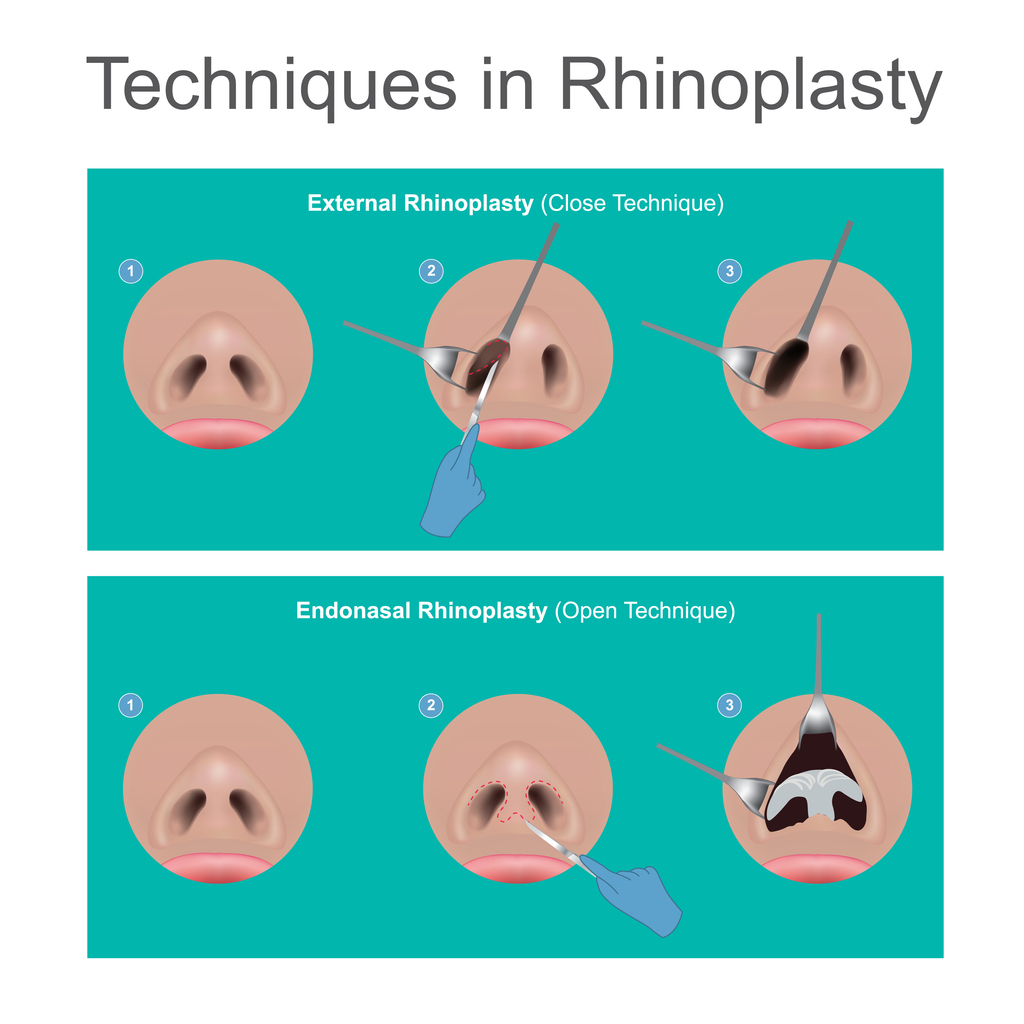
    3. There are 2 general approaches to rhinoplasty procedure in Singapore.

    Open Rhinoplasty

    This procedure involves making incisions on the narrow portions of the columella or the tissue that connects the nose tip to the nose base that separates the nostrils resulting in the opening of the nasal flaps. Open rhinoplasty offers better precision in enhancing the nose as the nasal cartilage can be clearly viewed and accessed and making this type of procedure more efficient in correcting multiple nose issues. There is, however, a chance of visible scarring as the incisions are made outside the nostrils.

    Closed Rhinoplasty

    Also called endonasal procedure, from this name itself, this procedure entails all incisions made within or inside the nostrils. Through these incisions, nasal cartilage and bones can be accessed. The main advantage of this procedure is the prevention of visible scars. As a disadvantage, during a closed rhinoplasty procedure, the nasal skin can get extremely stretched and can cause deformation of nasal cartilage. In addition,  this type of rhinoplasty procedure can only be employed to limited types of nasal cosmetic concerns.

    4. Different types of graft materials can be used to augment the nose.

    During a rhinoplasty procedure, graft materials are added or inserted into the original nasal structure to successfully augment the nose. Graft implants are safe and create satisfactory results when done by a trained cosmetic surgeon.

    Generally, there are two types of graft materials used for nose augmentation:

    Autologous Tissue

    For a more natural look, grafts can be in the form of autologous tissues or the patient’s own cartilage from another site on the body. These cartilage grafts are then used to build up or define sections of the nose that needs to be enhanced. The donor site for rhinoplasty is usually from the ear. Autologous grafts are the most ideal augmentation material for a rhinoplasty procedure.

    Pros

    Because the grafts are from the patient’s own body, there is a very small chance of infection, complications and immune responses. This material is most suitable for the correction of breathing patterns that can cause a health risk to the patient.

    Cons

    • limited availability
    • unpredictable resorption rates
    • difficulty of handling
    • donor site morbidity

    Alloplastic Materials

    Alloplastic materials are biological materials that can either be produced synthetically or derived from tissues or structures belonging to individuals of different species. The alloplastic materials commonly used in Singapore are silicone and high-density breathable polyethene. A meta-analysis of alloplastic materials shows that they have acceptable risk levels when used in rhinoplasty procedures and autogenous materials are unavailable.

    Pros

    • highly biocompatible
    • non-toxic
    • chemically stable
    • can be formed easily
    • inexpensive
    • have already been widely used for cosmetic surgeries for a very long time.

    Silicone and porous high-density polyethene are great alternatives to autologous tissue rhinoplasty and these materials are usually used for cosmetic enhancement of the nose by elevating the nose bridge and making it appear higher and sharper.

    Cons

    Various studies and reports have shown that over time, alloplastic materials can cause complications like:

    • Infection
    • Protrusion
    • capsular contracture
    • implant shift
    • calcification
    • perforation
    • other skin problems

    In cases with complications, revisional operations are needed to remove and replace the degraded alloplastic materials. This is why, when you are considering this route, proper understanding and assessment of nasal structure and the properties of alloplastic implants by your doctor is vital to the success of your rhinoplasty procedure.

    5. Rhinoplasty procedure is painless.

    For a rhinoplasty procedure, patients are put under local anaesthesia or sedation to ensure a painless procedure. The next thing you’ll remember will be waking up after the surgery and not feeling any discomfort. When done by a well-trained cosmetic surgeon, there will be no chance of vomiting, light-headedness and pain during the procedure.

    6. Take a week off right after surgery.

    After a rhinoplasty surgery, side effects like swelling and discomfort on the nose area and extending to other facial areas are common and may continue to persist for the next few days. So, as a pro tip, file for week off from work or take a break from normal daily activities after a rhinoplasty procedure to give enough time for the wound to heal and prevent complications. Your doctor will prescribe aftercare medications and advise that you stay at home and rest for a week after rhinoplasty surgery.

    7. Expected results can be noticeable over time.

    In the course of  2-4 months after the rhinoplasty procedure, visible improvements can already be seen. During this time, the nasal cartilage and bone structure becomes much stronger and healed resulting in more defined nose shape and eventually, desired results are achieved.

    8. The doctor always has the final say.

    With the different approaches and materials used for rhinoplasty, it can be difficult to know which one is the best for you. This is why only your doctor can have the final say on what is the right procedure for you depending on the complexity of your condition and preferred outcomes. Therefore, it is important that you subject yourself to a thorough consultation with your doctor so he/she can carefully assess your nose and properly determine what changes and improvements have to be made.

  • Is Ongoing Dermatology Care Important For Healthy Skin Aging?

    Is Ongoing Dermatology Care Important For Healthy Skin Aging?

    Does your skin look the same as it did a decade ago? Skin undergoes structural changes every decade after age 30 – collagen production decreases, elastin fibers fragment, and cellular turnover slows. Regular dermatological care identifies these changes early, adapts treatment protocols to match your skin’s evolving needs, and screens for malignancies that become more common with age. Unlike reactive care that addresses problems after they develop, ongoing dermatology follows a preventive model similar to dental checkups or cardiac screening.

    The distinction between cosmetic concerns and medical necessity often blurs in dermatology. Seborrheic keratoses appear harmless but occasionally mimic melanoma. Persistent dry patches might indicate actinic keratoses, which carry malignant potential. Age spots seem purely aesthetic until irregular borders or color variations suggest something more serious. A dermatologist in Singapore distinguishes between normal aging and pathological changes through systematic evaluation.

    Skin Cancer Screening Intervals

    Annual full-body skin examinations often detect melanomas at thinner stages compared to patient-detected lesions, a difference that can significantly affect treatment complexity and overall prognosis, which is why many people seek care from a good dermatologist in Singapore for routine monitoring. Dermatologists rely on dermoscopy, a technique that magnifies skin lesions and reveals subsurface patterns not visible to the naked eye. This approach helps identify concerning features even in moles that may initially appear benign.

    • Asymmetric pigment networks
    • Irregular dots and globules
    • Blue-white veils that suggest malignancy

    Fair-skinned individuals may require more frequent screening, while those with darker skin types typically benefit from annual examinations. Personal or family history of skin cancer warrants more frequent checks. Patients with numerous moles need monitoring through sequential digital dermoscopy, where photographs track subtle changes over time.

    Between professional screenings, self-examination using the ABCDE criteria catches interval changes:

    • Asymmetry in shape
    • Border irregularity
    • Color variation within single lesions
    • Diameter exceeding 6mm
    • Evolution in appearance

    New moles appearing after age 40 deserve evaluation by a healthcare professional, as adult-onset nevi carry higher malignancy risk than childhood moles.

    Photoaging Prevention and Management

    Ultraviolet radiation causes visible facial aging through two mechanisms:

    • UVA penetrates dermis and destroys collagen architecture
    • UVB damages DNA in epidermal cells

    Daily SPF 30+ sunscreen application reduces photoaging progression even in previously sun-damaged skin. Broad-spectrum formulations containing zinc oxide or titanium dioxide provide physical barriers, while chemical filters like avobenzone absorb harmful wavelengths.

    Retinoid therapy is commonly used for photoaging reversal. Prescription tretinoin at concentrations typically ranging from 0.025-0.1% stimulates collagen synthesis, normalizes cellular turnover, and reduces pigmentation irregularities. Initial irritation typically resolves within 6-8 weeks as skin adapts. Dermatologists customize retinoid protocols based on skin sensitivity, and the appropriate starting concentration and frequency should be determined by a healthcare professional.

    Professional chemical peels using glycolic acid (30-70%), trichloroacetic acid (10-35%), or combination formulas address photoaging at different depths. Superficial peels every 4-6 weeks improve texture and minor pigmentation. Medium-depth peels performed quarterly target deeper wrinkles and moderate sun damage. Recovery time increases with peel depth – superficial peels cause 2-3 days of mild flaking, while medium peels require 7-10 days for complete healing.

    Did You Know?

    Melanocytes decrease with age, explaining why older skin appears more translucent and develops irregular pigmentation patterns. This cellular loss also reduces skin’s natural UV protection capacity.

    Age-Related Skin Conditions

    Rosacea often emerges or worsens during middle age, affecting facial blood vessels and causing persistent redness, visible capillaries, and inflammatory papules. Triggers include:

    • Temperature extremes
    • Spicy foods
    • Alcohol
    • Emotional stress

    Dermatological management combines topical metronidazole or azelaic acid with oral antibiotics for inflammatory lesions. Pulsed dye laser treatments target dilated vessels. A healthcare professional can determine the appropriate number and frequency of sessions.

    Seborrheic dermatitis produces scaly patches on scalp, eyebrows, and nasolabial folds, often worsening during seasonal transitions. Ketoconazole shampoo can be used to control scalp involvement, while facial areas may respond to topical calcineurin inhibitors like tacrolimus. Maintenance therapy may help prevent recurrence, as this chronic condition tends to relapse without ongoing management.

    Xerosis, or pathological dry skin, is common in older adults due to decreased sebum production and impaired barrier function. Moisturizers containing ceramides, hyaluronic acid, and niacinamide may help restore barrier integrity. Severe cases may require urea or lactic acid formulations. Hot showers can exacerbate xerosis by stripping natural oils – healthcare professionals recommend lukewarm water and limiting shower duration.

    Prescription Treatments vs Over-the-Counter Products

    Prescription medications contain active ingredients at therapeutic concentrations unavailable in retail products. Hydroquinone 4% is used to treat melasma and post-inflammatory hyperpigmentation, while over-the-counter versions at 2% contain lower concentrations. Similarly, prescription azelaic acid at 15-20% addresses both pigmentation and acne, compared to cosmetic formulations at lower concentrations.

    Dermatologist-dispensed products undergo different regulatory oversight than cosmetics. Medical-grade vitamin C serums may contain 15-20% L-ascorbic acid in stabilized formulations, while retail versions often contain lower percentages of active ingredient or use different derivatives. pH levels in medical formulations are formulated for penetration – vitamin C requires pH below 3.5 for skin absorption, which may not be achieved in mass-market products.

    Important Note

    Mixing active ingredients without professional guidance may cause irritation, reduced efficacy, or interactions. Retinoids may deactivate benzoyl peroxide, vitamin C may destabilize retinol, and combining multiple acids may affect skin barriers. Consult a healthcare professional before combining treatments.

    Prescription treatments may offer different value considerations long-term. A tube of tretinoin lasting 3-4 months may have a different cost profile than monthly purchases of anti-aging serums. Professional treatments address underlying causes rather than temporary symptom management.

    Procedures for Aging Skin

    Laser resurfacing technologies address specific aging concerns through controlled thermal injury. Fractional CO2 lasers create microscopic treatment zones, stimulating collagen remodeling while leaving surrounding tissue intact for healing. Full-face treatment may require several days of downtime with potential wrinkle reduction and skin tightening effects. Erbium YAG lasers offer gentler resurfacing with a shorter recovery period, suitable for moderate photoaging.

    Intense Pulsed Light (IPL) targets pigmentation and vascular irregularities using broad-spectrum light filtered for specific wavelengths. Brown spots typically darken initially, then flake off within a period of days. Facial redness and broken capillaries may fade gradually over multiple treatments. IPL also stimulates mild collagen production, which may improve overall skin quality.

    Radiofrequency microneedling combines mechanical injury from tiny needles with thermal energy delivered to deeper layers. This dual mechanism may help tighten loose skin, reduce pore size, and improve acne scarring. Treatment causes temporary redness and mild swelling. Results may develop over several months as collagen remodeling continues.

    Injectable treatments complement topical and energy-based therapies. Botulinum toxin prevents dynamic wrinkles by temporarily relaxing specific muscles – effects typically last several months for most patients. Hyaluronic acid fillers restore volume loss in temples, cheeks, and nasolabial folds, with results persisting for varying durations depending on product selection and injection site.

    The appropriate treatment approach should be determined in consultation with a qualified healthcare professional.

    What Our Dermatologist Says

    Patients often arrive with shopping bags full of products that work against each other or duplicate the same function. I see vitamin C serums layered under niacinamide, which reduces vitamin C absorption, or three different exfoliating acids used simultaneously. Streamlined routines with appropriate products can deliver results.

    The concept of ‘skin cycling’ has merit – alternating active ingredients prevents irritation while maintaining efficacy. Monday might feature retinoid application, Wednesday focuses on exfoliation with AHA, Friday introduces vitamin C, with recovery days between. This approach respects skin’s natural repair processes while delivering therapeutic benefits.

    Early intervention may help prevent more invasive procedures later. Patients who begin retinoid therapy in their 30s may maintain smoother skin texture and require less aggressive treatments in subsequent decades.

    Putting This Into Practice

    • Schedule a skin examination with dermoscopy to establish baseline mole mapping and identify any concerning lesions requiring monitoring or biopsy
    • Consult a healthcare professional about prescription retinoid options appropriate for your skin sensitivity level, including guidance on application frequency and concentration
    • Photograph your moles monthly using consistent lighting and distance, noting any changes in size, color, or border characteristics between dermatology appointments
    • Apply broad-spectrum SPF 30+ sunscreen every morning to all exposed skin, reapplying every two hours during outdoor activities and immediately after swimming or sweating
    • Maintain skin barrier integrity by applying ceramide-based moisturizer within three minutes of bathing while skin remains damp to trap hydration

    When to Seek Professional Help

    • New mole appearing after age 40 or existing mole changing in size, shape, or color
    • Persistent red, scaly patches that don’t respond to moisturizers within two weeks
    • Acne scarring or deep wrinkles affecting self-confidence or professional interactions
    • Facial flushing triggered by specific foods, temperatures, or emotional states
    • Suspicious lesions that bleed, itch, or fail to heal within four weeks
    • Sudden onset of multiple seborrheic keratoses (Leser-Trélat sign)
    • Dryness causing cracking, bleeding, or secondary infection

    Commonly Asked Questions

    How often should I change my skincare routine as I age?

    Skincare routines may require adjustment every 5-10 years as hormone levels shift and skin structure changes. Oily skin in your 20s often becomes combination by 40, which may require different cleansers and moisturizers. Regular dermatology consultations can help ensure your regimen matches your skin’s current needs rather than past requirements.

    Can prescription retinoids be used around the eyes?

    Modified application techniques may allow retinoid use near eyes. A healthcare professional can provide guidance on appropriate application methods. The product naturally migrates to provide benefits without irritation. Specialized eye formulations containing lower retinoid concentrations offer targeted treatment for crow’s feet and under-eye concerns.

    What’s the minimum effective skincare routine?

    Three products form the foundation:

    • Gentle cleanser removing impurities without stripping natural oils
    • Prescription retinoid or treatment serum addressing specific concerns
    • SPF 30+ sunscreen for morning protection

    Additional products may enhance results but aren’t mandatory for skin health.

    Do men need different anti-aging treatments?

    Male skin contains more collagen and sebaceous glands, appearing thicker and oilier than female skin. However, fundamental treatments remain similar – sun protection, retinoids, and professional procedures work regardless of gender. Formulation preferences might differ, with men often preferring lighter textures and fragrance-free options.

    How long before seeing results from prescription treatments?

    • Retinoids may require 12 weeks for visible improvement in fine lines and pigmentation
    • Hydroquinone may lighten dark spots within 4-8 weeks
    • Rosacea medications may reduce inflammation in 2-4 weeks

    Consistency is important – sporadic use may delay or prevent improvement.

    Next Steps

    Annual screenings detect skin cancers early, prescription retinoids reverse photoaging, and professional procedures address structural changes. Dermatologists create protocols matching your specific skin type and monitor age-related concerns requiring intervention.

    If you’re experiencing new moles, persistent redness, visible photoaging, or suspicious skin changes, an MOH-accredited dermatologist can provide comprehensive evaluation and evidence-based treatment.

  • Is Laser Pigmentation Care Suitable For Sensitive Skin Types?

    Is Laser Pigmentation Care Suitable For Sensitive Skin Types?

    Can your sensitive skin tolerate laser pigmentation treatment? Sensitive skin reacts more intensely to laser energy, producing increased redness, prolonged healing times, and higher risks of post-inflammatory hyperpigmentation. Fractional lasers deliver energy in microscopic columns, leaving surrounding tissue intact, which reduces overall skin trauma. Q-switched lasers operating at specific wavelengths like 1064nm penetrate deeper while minimizing surface irritation, making them more tolerable for reactive skin types.

    Laser settings for sensitive skin require lower fluence levels, typically starting at 30–50% of standard protocols, with gradual increases based on skin response, especially when planning a pigmentation laser treatment Singapore patients often seek for gentler outcomes. Multiple sessions using softer parameters can, in many cases, achieve visible improvement compared to a single aggressive treatment. The choice between ablative and non-ablative lasers also significantly affects recovery time; non-ablative options such as picosecond lasers tend to cause minimal surface disruption while still targeting melanin deposits effectively.

    Identifying Sensitive Skin Characteristics

    Sensitive skin manifests through specific reactions:

    • Persistent redness after minor irritation
    • Stinging sensations from skincare products
    • Visible capillaries near the surface
    • Rapid flushing from temperature changes

    These signs indicate compromised barrier function and heightened nerve sensitivity, both important factors in laser treatment planning.

    Fitzpatrick skin types IV-VI demonstrate increased sensitivity to laser-induced pigmentation changes, requiring specialized protocols regardless of baseline reactivity. Asian skin contains more melanin and larger melanocytes, increasing heat absorption during laser treatments. This combination requires careful wavelength selection and cooling strategies.

    Underlying conditions amplify sensitivity responses:

    • Rosacea causes dilated blood vessels that absorb laser energy unpredictably
    • Eczema creates barrier dysfunction, allowing deeper laser penetration than intended
    • Active acne produces inflammatory mediators that intensify post-laser reactions

    Each condition requires protocol modifications before proceeding with pigmentation laser treatment.

    Laser Technologies for Sensitive Skin

    Picosecond lasers deliver energy in trillionths of a second, creating photoacoustic effects rather than purely thermal damage. This mechanism shatters pigment particles with minimal heat transfer to surrounding tissue. Treatment sessions typically last 15-20 minutes with immediate cooling applied between passes.

    Q-switched Nd:YAG lasers at 1064nm wavelength bypass superficial layers, reducing surface irritation while targeting deeper pigmentation. The longer wavelength experiences less scatter in tissue, providing more predictable energy delivery. Pulse durations of 5-20 nanoseconds limit thermal diffusion, protecting surrounding structures.

    Fractional CO2 lasers create controlled micro-injuries separated by intact tissue bridges. For sensitive skin, density settings remain below 10% coverage with single-pass techniques. The intact tissue accelerates healing while minimizing widespread inflammation. Recovery involves 5-7 days of mild peeling rather than extensive crusting.

    Low-level laser therapy using 630-680nm wavelengths stimulates cellular repair without ablation. These treatments reduce inflammation markers while gradually lightening pigmentation through enhanced cell turnover. Sessions occur twice weekly over 8-12 weeks, suitable for patients unable to tolerate traditional laser intensities.

    Pre-Treatment Preparation Protocol

    Skin barrier reinforcement begins four weeks before laser treatment. Ceramide-based moisturizers applied twice daily restore lipid bilayers, reducing trans-epidermal water loss. Niacinamide serums at 5% concentration strengthen cellular junctions while providing anti-inflammatory benefits.

    Prescription preparations modify skin response to laser energy. Hydroquinone 2-4% applied nightly for two weeks pre-treatment suppresses melanocyte activity, reducing post-inflammatory hyperpigmentation risk. Tretinoin 0.025% used alternate nights increases cell turnover, ensuring more uniform laser penetration.

    Did You Know?

    Transexamic acid taken orally or applied topically blocks plasmin activity in melanocytes, reducing pigment production triggered by laser-induced inflammation, particularly beneficial for melasma-prone sensitive skin.

    Test patches determine appropriate laser parameters. Small areas receive varying energy levels, with responses evaluated after 48-72 hours. Erythema duration, swelling degree, and pigment changes guide final protocol selection.

    Medication review identifies photosensitizing drugs requiring discontinuation. Isotretinoin cessation occurs six months prior due to impaired wound healing. Doxycycline and other tetracyclines stop two weeks before treatment. Herbal supplements like St. John’s Wort increase photosensitivity for three weeks post-discontinuation.

    A healthcare professional should be consulted to determine appropriate preparation protocols, medication adjustments, and treatment parameters for individual circumstances.

    Treatment Modifications and Techniques

    Contact cooling maintains skin temperature below 10°C during laser passes, reducing thermal accumulation in sensitive tissue. Dynamic cooling devices release cryogen sprays milliseconds before each pulse, protecting the epidermis while allowing deeper penetration. Treatment areas receive cooling for 10-20 milliseconds per pulse cycle.

    Multiple pass techniques distribute energy across sessions rather than single aggressive treatments. First passes target superficial pigmentation at lower fluencies, followed by deeper targeting in subsequent visits. Each session spaces 4-6 weeks apart, allowing complete healing between treatments.

    Combination approaches reduce individual laser intensity requirements. Intense pulsed light addresses vascular components contributing to sensitivity, while subsequent laser sessions target pigmentation. Chemical peels using mandelic acid between laser sessions may be used in some treatment protocols.

    Real-time skin monitoring using infrared thermography helps prevent overheating. Skin temperature readings above 42°C indicate pause requirements for cooling. Melanin meters assess pigment density changes, guiding energy adjustments mid-treatment. Erythema indices measured via colorimetry help determine treatment endpoints.

    ## Post-Treatment Care for Sensitive Skin

    Immediate post-laser care focuses on inflammation control and barrier restoration. Hypochlorous acid sprays provide antimicrobial protection without irritation. Centella asiatica extracts may support wound healing through increased collagen synthesis. Silicone-based occlusive layers prevent moisture loss while allowing gas exchange.

    Important Note

    A healthcare professional may recommend avoiding active ingredients like retinoids, AHAs, and vitamin C for a period post-treatment, these compounds may increase irritation in laser-treated sensitive skin and may trigger paradoxical darkening. Consult your healthcare provider for specific guidance.

    Recovery timelines may vary for sensitive skin types. Initial erythema may persist 3-5 days versus 24-48 hours in normal skin. Mild edema may resolve within one week. Bronze discoloration indicating pigment targeting may appear day 3-5, sloughing off gradually over two weeks.

    Sun protection may involve physical blockers rather than chemical sunscreens. Zinc oxide and titanium dioxide formulations provide broad-spectrum coverage without penetrating compromised barriers. A healthcare professional can advise on appropriate SPF levels and application frequency. Wide-brimmed hats and UV-protective clothing supplement topical protection.

    Hydration protocols may support recovery. Hyaluronic acid serums may help hydrate tissue. Thermal water sprays containing selenium may soothe inflammation between moisturizer applications. Consult a healthcare professional regarding appropriate hydration levels.

    What Our Aesthetic Doctor Says

    Sensitive skin patients often achieve good results with modified laser protocols. The approach focuses on respecting the skin’s healing capacity rather than using aggressive parameters. Starting conservatively and adjusting intensity based on individual response helps prevent complications while achieving gradual, sustainable improvement.

    Patient selection remains important, active inflammatory conditions require stabilization before laser treatment. Realistic expectations about session numbers and recovery periods help prevent disappointment. Sensitive skin patients typically need more sessions than those with normal skin types.

    Proper pre-treatment preparation can reduce downtime and complications. Patients who follow barrier reinforcement protocols may experience less post-inflammatory hyperpigmentation. Combined approaches using multiple gentle modalities can offer benefits in both safety and efficacy compared to single aggressive treatments.

    Putting This Into Practice

    • Schedule consultations during periods of skin stability, avoiding allergy seasons or stress periods that increase sensitivity
    • Document all skincare products and medications for review, including supplements and occasional-use items
    • Photograph skin reactions to products or environmental factors to show during consultation
    • Maintain consistent skincare routines for one month before treatment to establish baseline skin behavior
    • Plan treatment timing around social obligations, allowing two weeks recovery for important events

    When to Seek Professional Help

    • Persistent redness or burning lasting beyond one week post-treatment
    • Development of blisters, crusting, or oozing in treated areas
    • Darkening of pigmentation beyond expected bronzing
    • Severe swelling affecting vision or facial movement
    • Signs of infection including pus, fever, or expanding redness
    • Unusual texture changes including scarring or indentation
    • Pigmentation appearing lighter or darker than surrounding skin after healing

    Commonly Asked Questions

    Can rosacea patients undergo laser pigmentation treatment?

    Rosacea patients can receive modified treatments using longer wavelengths and extended cooling periods. Vascular lasers address redness first, followed by gentle pigmentation protocols once inflammation stabilizes. Pre-treatment with azelaic acid and metronidazole reduces flare risks.

    How do Asian skin types with sensitivity respond to lasers?

    Asian sensitive skin requires conservative parameters due to increased melanin density. Pico lasers using 1064nm wavelengths with extended intervals between sessions minimize PIH risk. Test patches become mandatory, with full treatment proceeding only after successful healing.

    What determines the number of sessions needed for sensitive skin?

    Session numbers depend on pigmentation depth, skin reactivity, and healing capacity. Each session uses lower energy, necessitating more visits for cumulative results.

    Can pregnancy-related melasma be treated with lasers on sensitive skin?

    Post-pregnancy hormonal fluctuations require stabilization before laser treatment. Breastfeeding mothers avoid systemic medications but can undergo gentle laser protocols. Triple combination creams prepare skin for eventual laser treatment once hormonal balance returns.

    Conclusion

    Sensitive skin can tolerate laser pigmentation treatment when practitioners use modified protocols including appropriate wavelengths, conservative energy settings, extended cooling, and adequate session spacing. Test patches and thorough pre-treatment preparation minimize adverse reactions while achieving gradual, sustainable pigment reduction.

    If you’re experiencing pigmentation concerns with sensitive skin characteristics, such as persistent redness, stinging reactions, or visible capillaries, MOH-accredited aesthetic doctors can evaluate your skin’s reactivity patterns and develop customized laser treatment protocols.