Category: Business & Services

  • Unwind In Style: Kuwarasan A Pramana Experience Crowned Bali’s Top Boutique Resort For 2024

    Unwind In Style: Kuwarasan A Pramana Experience Crowned Bali’s Top Boutique Resort For 2024

    Kuwarasan A Pramana Experience has just been awarded the prestigious title of Best Luxury Boutique Resort in Bali, Indonesia, 2024, by Luxury Lifestyle Awards, securing its position as a world-class destination for romance, relaxation, and wellness. Tucked away in the serene heart of Tegallalang Village, this hidden gem embodies a fusion of Ubud’s lush natural beauty with the essence of tranquility, offering an intimate escape unlike any other.

    Imagine a sanctuary where style meets charm, where every moment feels like a surreal dream unfolding against the breathtaking backdrop of Bali’s iconic rice fields. Kuwarasan A Pramana Experience goes beyond sophisticated luxury—it brings to life the true soul of Ubud with its salubrious vibes and heartfelt hospitality. Boasting 27 exquisitely designed suites and villas, that are tastefully decorated, this resort encapsulates the romance and warmth of Bali, providing guests with the ultimate in privacy and relaxation. Each accommodation is a sanctuary in itself, filled with local artistry and thoughtful touches, ensuring a unique and personalized experience that feels like a slice of paradise.

    Kuwarasan’s blend of luxury and authenticity is reflected in every detail. Whether guests are lounging by the infinity pool, indulging in signature treatments at the Pramana Spa, or dining at one of the resort’s extraordinary restaurants, they are guaranteed a sensory journey that is both intimate and enriching. The Kemukus Restaurant invites diners to savor the rich heritage of Balinese cuisine, while the Tatami Restaurant delivers a fusion of Japanese flavors with panoramic views of lush paddies. For those seeking an unforgettable evening, the Joglo Sunset Bar offers a mesmerizing setting to sip on handcrafted cocktails as the sun dips below the horizon.

    This award recognizes the resort’s dedication to wellness, personal connection, and cultural immersion. Inspired by the meaning of its name – “Waras” meaning health, and “Ubud/Ubad” meaning remedy – Kuwarasan A Pramana Experience offers more than just relaxation. It offers wellness programs, from yoga sessions to rejuvenating treatments, tailored to each guest’s individual journey toward balance and self-discovery.

    For couples seeking an extraordinary romantic escape, Kuwarasan’s romantic candlelight dinners beneath the stars, framed by vibrant rice fields, create an ethereal experience that promises lasting memories. The resort’s intimate and magical ambiance continues to capture the hearts of honeymooners, anniversary celebrants, and wellness seekers alike.

    “We are incredibly honored to be recognized as the Best Luxury Boutique Resort in Bali for the second time by Luxury Lifestyle Awards, ” said Gusti Ketut Adi Putra, GM of Kuwarasan A Pramana Experience. “This win, following our first award in 2022, is a consolidates our commitment to delivering an exceptional experience to our guests. At Kuwarasan A Pramana Experience, we have always believed in creating a sanctuary where romance, wellness, and Balinese heritage come together in perfect harmony. This recognition reinforces our dedication to offering personalized, meaningful stays that reflect the true soul of Ubud. We look forward to continuing this journey and welcoming more guests to discover the serene beauty of our resort.”

    For more information on Kuwarasan A Pramana Experience, visit https://www.kuwarasan.com or contact the resort directly to begin your journey to a little piece of heaven on earth.

    About Luxury Lifestyle Awards

    Luxury Lifestyle Awards, a proud member of the World Luxury Chamber of Commerce, is a global organization dedicated to selecting, recognizing, and promoting the finest luxury goods and services worldwide. With a 16-year legacy, LLA connects discerning clientele to exceptional luxury experiences. Its rigorous evaluation process assesses over 5,000 products and services across 400 categories in 100 countries, culminating in a prestigious list of winners that showcases the world’s elite. Renowned brands like Ritz-Carlton, Savills, and Dom Pérignon have been recognized by the Luxury Lifestyle Awards, which enhances brand credibility, elevates status, and provides global exposure for award recipients.

    For more information, please visit: https://luxurylifestyleawards.com/ 

  • Emeralda Golf Club’s Three-Time Luxury Lifestyle Awards Win

    Emeralda Golf Club’s Three-Time Luxury Lifestyle Awards Win

    Emeralda Golf Club, the zenith of luxury golf experiences in Indonesia, has deservedly been recognized as Best Luxury Golf Course in Indonesia by Luxury Lifestyle Awards, marking the club’s third consecutive LLA win. Owned by PT Karabha Digdaya and expertly managed by General Manager Yenny Tanudjaja, Emeralda Golf Club has been setting the highest standard in the golfing world since its opening in 1994.

    Located just 20 minutes from central Jakarta, Emeralda Golf Club offers an unrivaled golf experience, boasting championship courses designed by legendary golfers Arnold Palmer and Jack Nicklaus. The 27-hole masterpiece features an 18-hole course by Palmer and a 9-hole course by Nicklaus, each providing a challenging yet enjoyable experience for golfers of all skill levels.

    The club’s dedication is highlighted by its history of hosting prestigious international tournaments, including:

    • Alfred Dunhil Masters – 1995
    • Volvo Asian Matchplay Championship – 1996
    • Jonnie Walker Super Tour – 1997
    • Hsbc Enjoy Jakarta Indonesia Open – 2006
    • Mercedes-Benz Master Indonesia – 2008, 2009, 2010
    • Ancora Classic – 2011
    • Enjoy Jakarta Indonesia Open – 2012, 2013

    Emeralda Golf Club’s commitment to quality is also reflected in its numerous awards and accolades:

    • The Best Luxury Golf Club in Southeast Asia (2022)
    • The Best Luxury Golf Club in Indonesia (2023, 2024)
    • 2nd Runner Up, The Best Course in Indonesia (2019, 2022) at the Asia Pacific Golf Summit
    • The Most Stunning Golf Venue in Asia (2017)
    • Top Ten Best Courses in Indonesia (2015, 2016)

    The club’s exclusive golf tournaments can accommodate up to 220 golfers, further enhancing its reputation as a premier destination for luxury golf.

    The club’s commitment to quality is evident in its pristine course conditions, maintained by its experienced team, including the Superintendent, Golf Manager, and Food and Beverage Manager, each with over 20 years of experience. This dedication sets Emeralda apart from its competitors, ensuring the greens are always in top condition.

    Emeralda’s exclusivity is enhanced by its membership model, offering both annual and 15-year executive memberships with significant loyalty perks. Members enjoy a host of benefits, including access to regular local tournaments with prizes up to USD 40,000 and invitations to exclusive events.

    Luxury at Emeralda Golf Club extends beyond facilities to personalized services. The club ensures that every golfer’s needs are met with utmost care and attention. From the moment they arrive, members are treated to bespoke experiences, including monthly member tournaments and exclusive events. The golf course boasts services that exceed their members’ and guests’ expectations.

    “Our mission is to provide an incomparable luxury golf experience that celebrates the traditions of the sport while offering modern amenities and personalized services,” said General Manager Yenny Tanudjaja. “We are honored to receive this prestigious award for the third year in a row, proving our team’s hard work and dedication.”

    Emeralda Golf Club is more than just a golf course; it is a destination offering a holistic luxury experience. The clubhouse, with stunning lake views and versatile event spaces, serves as the perfect venue for special occasions. Guests can also enjoy a traditional Indonesian dining experience at the clubhouse restaurant.

    Committed to sustainable practices and community engagement, Emeralda Golf Club’s investment in course maintenance ensures top-tier playing conditions and environmental stewardship. By preserving the natural beauty of the landscape, Emeralda Golf Club contributes to the well-being of the local community and environment.

    With plans to further enhance facilities and services, Emeralda is poised to remain the premier destination for luxury golf in Indonesia for years to come. For more information about Emeralda Golf Club and membership opportunities, please visit www.emeralda-golfclub.com.

    About Luxury Lifestyle Awards

    Luxury Lifestyle Awards, a proud member of the World Luxury Chamber of Commerce, is a global organization dedicated to selecting, recognizing, and promoting the finest luxury goods and services worldwide. With a 16-year legacy, LLA connects discerning clientele to exceptional luxury experiences. Its rigorous evaluation process assesses over 5,000 products and services across 400 categories in 100 countries, culminating in a prestigious list of winners that showcases the world’s elite. Renowned brands like Ritz-Carlton, Savills, and Dom Pérignon have been recognized by the Luxury Lifestyle Awards, which enhances brand credibility, elevates status, and provides global exposure for award recipients.

    For more information, please visit: luxurylifestyleawards.com

  • Elevate Your Event Experience With Mticket: Pinnacle Of Ticketing Solutions

    Elevate Your Event Experience With Mticket: Pinnacle Of Ticketing Solutions

    In today’s fast-paced world, the success of an event lies not just in its content and presentation, but also in the seamless orchestration behind the scenes. Mticket stands at the forefront of this, transforming traditional event ticketing with its sophisticated mobile and web technology that enhances both the organiser’s and the attendee’s experience.

    Seamless Integration for Every Event

    Mticket is more than a ticketing platform; it’s an integral part of your event’s journey. From intimate workshops to grand concerts, our platform scales to meet the needs of any event. With a user-friendly interface and streamlined ticket purchasing process, attendees can secure their spot within moments, directly from their smartphones.

    Real-Time Insights for Organisers

    The lifeblood of any event is its audience. Understanding real-time ticket sales and attendee preferences can significantly influence the success of an event. Our expertly crafted Partner Portal allows organisers to track every ticket sold and every trend emerging, all in real time. This access to instantaneous data ensures that organisers can adapt quickly, enhancing event strategies and attendee satisfaction.

    Cost-Effective and Organiser-Friendly

    Mticket champions affordable accessibility, boasting some of the most reasonable ticket service charges in the industry. We believe in supporting organisers by eliminating costs for our services, generating revenue solely through modest fees paid by attendees. This approach ensures that organisers can allocate more resources towards enriching the event experience, rather than managing ticketing logistics.

    A Holistic Approach to Event Marketing

    Success in today’s event landscape requires more than just execution; it demands visibility and engagement. Mticket supports organisers with a suite of comprehensive marketing services:

    • Engage directly with your audience through targeted Mobile and SMS marketing.
    • Capture the essence of your event with our Creative Design and Digital Media services.
    • Craft a robust presence with Integrated Marketing Strategies, tailored to elevate your event’s profile.

    Cultivating Memorable Experiences

    With Mticket, your focus can remain on what truly matters—creating unforgettable moments and experiences that resonate with attendees. Our platform handles the complexities of ticketing and marketing, freeing you to bring your creative vision to life.

    Discover the difference with Mticket and transform your approach to event management. Join a community of organisers who have redefined success through our comprehensive support and innovative solutions. With Mticket, you’re not just hosting events; you’re crafting landmark occasions.

  • The Ultimate Guide: 7 Best Ideas To Find Cheap Business Class Flights From The US To Europe

    The Ultimate Guide: 7 Best Ideas To Find Cheap Business Class Flights From The US To Europe

    There is an undeniable allure to turning left when you board an airplane, especially on a grueling transatlantic flight. Lie-flat seats, multi-course meals, and lounge access transform the journey from an exhausting chore into the first true day of your vacation. However, standard business class fares from the United States to Europe routinely hover between $3,000 and $6,000—a price tag that can shatter a travel budget in seconds.

    Fortunately, securing a premium cabin doesn’t require a corporate expense account. The transatlantic corridor is one of the most highly competitive aviation markets on the planet, creating consistent opportunities for savvy travelers to find deeply discounted premium fares. By employing a mix of strategic routing, leveraging the right airlines, and understanding modern booking economics, you can cross the ocean in luxury for a fraction of the standard cost.

    Here are the seven best strategies to find cheap business class flights from the US to Europe.

    1. Master the Art of Repositioning Flights

    One of the most effective ways to slash the cost of a business class ticket is to decouple your departure city from your international gateway. This strategy is known as “repositioning.”

    Airlines price their routes based on local demand and competition, not strictly on distance. If you live in a smaller market like Kansas City or Cleveland, booking a single ticket all the way to Rome will often price out at a massive premium. However, major East Coast hubs like New York (JFK), Boston (BOS), or Miami (MIA) have fierce competition among dozens of carriers, driving prices down.

    How to execute this:

    • Find the long-haul deal first: Search for cheap business class flights from major US hubs to major European gateways (like Madrid, Paris, or Dublin). You might find a round-trip fare from JFK to Madrid for $1,800.
       
    • Book the positioning flight separately: Next, book a cheap domestic economy flight from your home airport to JFK. Even with the cost of the domestic flight, you are often saving thousands of dollars.
    • The Golden Rule: Because these are separate itineraries, the airline will not protect you if your domestic flight is delayed and you miss your transatlantic connection. Always leave a buffer of at least five hours, or ideally, fly in the night before and enjoy an evening in the departure city.

    2. Target Boutique and Budget-Friendly Premium Carriers

    When most travelers think of flying to Europe, they default to legacy carriers like Delta, United, British Airways, or Lufthansa. However, looking beyond the traditional giants can yield incredible savings. Several airlines operate with entirely different business models, offering highly competitive premium cabin pricing.

    • La Compagnie: This unique boutique airline operates flights exclusively equipped with business class seats. Flying primarily between Newark (EWR) and destinations like Paris (ORY), Milan (MXP), and Nice (NCE), La Compagnie frequently runs promotional fares that drop below $2,000 round-trip. While their route network is small, their value proposition is unmatched.
    • Condor: Historically a German leisure carrier, Condor has entirely revamped its long-haul fleet with stunning Airbus A330neos featuring fantastic lie-flat business class cabins. They frequently undercut Lufthansa’s pricing on direct flights from the US to Frankfurt, making them an excellent gateway to the rest of Europe.
    • TAP Air Portugal: TAP routinely offers some of the lowest transatlantic business class fares in the industry. It is very common to find round-trip flights from the US East Coast to cities across Europe (connecting in Lisbon) for under $2,000.

    3. Play the Points and Miles Game (Smartly)

    Frequent flyer miles remain the absolute best currency for booking international business class, but the strategy has evolved. The secret is no longer being loyal to a single airline; it is about earning transferable credit card points.

    Points earned from programs like Chase Ultimate Rewards, American Express Membership Rewards, Capital One Miles, and Citi ThankYou can be transferred to a wide variety of international airline partners.

    High-value sweet spots to look for:

    • Iberia Plus: You can transfer points to Iberia and book off-peak business class flights from East Coast cities (like JFK or Boston) to Madrid for as little as 34,000 Avios one-way.
    • Air France/KLM Flying Blue: This program publishes monthly “Promo Rewards,” discounting award tickets by up to 50%. Even without a promo, you can frequently find one-way business class flights to Paris or Amsterdam for 50,000 miles.
    • Avianca LifeMiles: While it is a South American airline, Avianca is part of the Star Alliance. You can use their miles to book flights on United, Lufthansa, or Swiss to Europe without the massive cash surcharges that other programs pass on to the consumer.

    4. Let Fare Alerts Do the Heavy Lifting

    Airlines constantly tweak their pricing algorithms, resulting in sudden, unannounced fare drops or “flash sales” to fill empty premium cabins. Unless you treat searching Google Flights as a full-time job, you will likely miss them.

    Instead of manually searching every day, subscribe to specialized flight deal services. Companies like Going (formerly Scott’s Cheap Flights), Thrifty Traveler Premium, and FareDrop utilize teams of flight analysts and software to monitor global airfare 24/7.

    When a major business class fare war breaks out—such as a sudden $1,500 round-trip fare from Chicago to Amsterdam—these services instantly send an alert to your inbox with instructions on how to book. The annual subscription fee for the premium versions of these tools easily pays for itself the first time you book a discounted lie-flat seat.

    5. Bid for an Upgrade or Upgrade at Check-In

    If outright purchasing a business class ticket is too steep, you can utilize the “backdoor” upgrade method. Many international airlines utilize a blind bidding system (often managed by a platform called Plusgrade) to auction off unsold premium seats in the weeks leading up to departure.

    The Upgrade Strategy:

    • Book a standard economy or premium economy ticket on carriers like Aer Lingus, TAP, Lufthansa, or Scandinavian Airlines (SAS).
    • Monitor your email or check your reservation online to see if your itinerary is eligible for a cash upgrade bid.
    • Submit a bid slightly above the minimum allowed amount. If the airline accepts your bid roughly 48 hours before departure, you secure the seat for much less than the retail price difference.

    Alternatively, politely inquire about cash upgrades at the check-in desk on the day of your flight. If the business class cabin is empty, gate agents are sometimes authorized to sell upgrades at severely discounted, flat-rate prices to generate last-minute revenue.

    6. Embrace the Strategic Stopover

    Non-stop flights offer convenience, which means they usually carry a premium price tag. Connecting flights are generally cheaper, but you can turn this inconvenience into a massive advantage by utilizing airline stopover programs.

    Several airlines actively subsidize your ticket if you agree to spend a few days in their home country, allowing you to essentially get two vacations for the price of one, while still paying a lower overall business class fare.

    Popular Stopover Options:

    • Icelandair: Famous for its stopover program, you can pause in Reykjavik for up to seven days at no additional airfare cost before continuing to mainland Europe. (Note: Icelandair’s Saga Class is closer to domestic First Class than a true lie-flat product, but it is vastly cheaper).
    • TAP Air Portugal: TAP allows you to add a free stopover in Lisbon or Porto for up to 10 days on your way to your final European destination.
    • Turkish Airlines: Though flying through Istanbul to get from the US to Western Europe is a geographical detour, Turkish Airlines offers a phenomenal business class product and a highly generous stopover program that sometimes includes free hotel stays.

    7. Optimize Your Booking Window and Travel Days

    When you fly—and when you book—plays a critical role in the final price of your ticket. Business class pricing dynamics are distinct from economy class because the primary customer base consists of corporate travelers whose companies are footing the bill.

    Avoid the Corporate Rush: Business travelers heavily favor flying out on Sunday nights or Mondays and returning on Fridays. Because demand is highest on these days, airlines jack up the prices. You will routinely find the cheapest business class fares departing on Tuesdays, Wednesdays, or Saturdays.

    The Booking Sweet Spot: Do not wait until the last minute. While last-minute economy fares sometimes drop if the plane is empty, airlines deliberately keep last-minute business class fares incredibly high, knowing desperate corporate travelers will pay whatever is necessary. Data historically shows that the optimal window to secure discounted business class to Europe is between 60 to 180 days prior to departure.

    Shoulder Seasons: Finally, consider traveling during the “shoulder seasons”—specifically March through April, and October through November. The weather in Europe is still highly pleasant, but the crushing tourist demand of the summer has faded, leading airlines to aggressively slash premium cabin pricing to fill their planes.


  • Planning For Long Term Health Care Costs

    Planning For Long Term Health Care Costs

    Most people spend years preparing financially for retirement, yet one of the largest potential expenses often receives surprisingly little attention: long term health care. Medical needs that arise later in life can create significant financial pressure, especially when they require extended support such as in home care, assisted living, or nursing facilities. Planning ahead for these costs can help protect retirement savings and reduce stress for both individuals and families.

    Long term care planning often begins by evaluating the full financial picture. People who already carry financial obligations may find it difficult to focus on future health care needs until current challenges are addressed. In some situations, individuals researching ways to stabilize their finances may explore resources such as a best debt settlement company in order to resolve existing financial burdens. Once financial stability improves, it becomes easier to shift attention toward long term planning and protecting future retirement funds.

    Preparing early for potential care costs allows individuals to make decisions from a place of strategy rather than urgency.

    Understanding the Reality of Long Term Care Needs

    Many people assume long term health care only applies to extreme medical situations. In reality, it often involves assistance with everyday activities such as bathing, dressing, cooking, or managing medications.

    As people age, physical or cognitive changes can make these daily tasks more difficult. Support may be needed temporarily after surgery or illness, or it may become necessary for an extended period.

    According to health policy research, approximately seventy percent of individuals over age sixty five will require some form of long term care during their lifetime. However, many families are surprised to learn that traditional health insurance and Medicare typically do not cover most long term care services.

    The U.S. Department of Health and Human Services long term care planning resource explains that Medicare coverage for long term care is limited and generally focuses on short term medical recovery rather than extended assistance with daily living.

    Understanding this gap is a critical step in planning effectively.

    Estimating Potential Health Care Costs

    Long term care expenses vary widely depending on location, level of care, and duration of services. In home care may involve hourly support from caregivers, while assisted living or nursing facilities typically charge monthly fees.

    These expenses can accumulate quickly. Depending on the region, assisted living facilities may cost several thousand dollars per month, while nursing home care may exceed even higher amounts.

    Because care needs are unpredictable, planning often involves estimating a range of potential costs rather than a single number.

    Financial planners sometimes recommend considering scenarios that involve several years of care. While not everyone will need long term assistance for that length of time, preparing for the possibility helps ensure that retirement resources remain protected.

    Planning for uncertainty is often more effective than hoping it will not occur.

    Exploring Funding Options for Long Term Care

    Once individuals understand the potential costs, the next step involves identifying possible funding sources. Several financial strategies can help cover long term care expenses.

    Personal savings often serve as the primary resource. Retirement accounts, investment portfolios, and dedicated health savings can contribute to long term care planning.

    Another option involves long term care insurance policies. These policies are designed specifically to help cover extended care services that traditional health insurance does not provide.

    Some individuals also explore hybrid insurance products that combine life insurance benefits with long term care coverage.

    Government programs can play a role as well. Medicaid may help cover long term care expenses for individuals who meet specific financial eligibility requirements. However, qualification rules vary by state and often require careful planning.

    Educational resources such as the National Institute on Aging guide to paying for long term care provide detailed explanations of these funding options.

    Understanding multiple strategies helps individuals create a more flexible financial plan.

    Protecting Retirement Savings

    Long term care planning often focuses on protecting retirement savings from unexpected depletion. Without preparation, extended care costs can quickly consume financial resources intended for living expenses or legacy goals.

    One strategy involves setting aside a dedicated portion of retirement savings specifically for potential health care needs. This separation allows individuals to estimate how much of their financial plan should remain reserved for care related expenses.

    Another approach includes consulting financial advisors who specialize in retirement and elder care planning. These professionals can help evaluate different funding strategies, insurance options, and tax considerations.

    Thoughtful planning can preserve financial stability even when health care needs arise.

    Discussing Care Preferences With Family

    Financial planning for long term care also includes personal conversations with family members. Many families avoid discussing future health care needs until an emergency occurs.

    Having these conversations earlier allows individuals to express their preferences regarding care settings, living arrangements, and financial decisions.

    Some people prefer in home care if possible, while others feel more comfortable considering assisted living communities that offer social support and professional assistance.

    Documenting these preferences through legal and financial planning tools can help guide future decisions.

    These conversations reduce uncertainty and provide reassurance for both individuals and their loved ones.

    Building a Plan That Evolves Over Time

    Long term health care planning is not a one time task. Health needs, financial circumstances, and available resources may change over time.

    Regularly reviewing financial plans ensures that strategies remain aligned with current goals and life circumstances.

    For example, individuals may choose to adjust savings contributions, explore new insurance options, or update their care preferences as they approach retirement.

    Flexibility allows financial plans to remain effective even as circumstances evolve.

    Preparing for Peace of Mind

    Planning for long term health care costs ultimately provides more than financial protection. It offers peace of mind.

    When individuals understand the potential costs, explore funding options, and communicate their preferences, they reduce the uncertainty that often surrounds aging and health care decisions.

    Preparation allows families to focus on support and well being rather than financial emergencies.

    By taking proactive steps today, individuals can protect their retirement resources and create a thoughtful plan for the future.

    Long term care planning may feel complex at first, but approaching it gradually with clear information and intentional decisions makes the process far more manageable.

  • Communicating Boundaries Clearly And Kindly

    Communicating Boundaries Clearly And Kindly

    Why Boundaries Strengthen Rather Than Damage Relationships

    Many people worry that setting boundaries will create tension or distance in their relationships. The word “boundary” can sound rigid, as if it represents rejection or disconnection. In reality, healthy boundaries often make relationships stronger because they bring clarity and honesty into everyday interactions.

    When expectations remain unspoken, misunderstandings easily develop. People may assume others understand their limits or needs, only to feel frustrated when those expectations are not met. Communicating boundaries clearly helps prevent these situations by providing transparency about what is comfortable, sustainable, and respectful.

    This principle applies to many areas of life, including emotional well being, professional commitments, and financial conversations. Someone navigating financial stress, for example, might set limits around spending or borrowing while researching options such as consumer debt relief to regain stability. In both personal and financial contexts, boundaries provide a framework that supports long term balance.

    Rather than pushing people away, boundaries help relationships function with mutual understanding.

    Clarity Makes Boundaries Easier to Understand

    One of the most common reasons boundaries fail is that they are communicated indirectly. Hints, vague language, or passive comments often leave others unsure about what is actually being requested.

    Clear communication removes this confusion. When individuals express their needs directly and respectfully, others have a better chance of understanding the intention behind the boundary.

    For example, saying “I need to finish my work this evening, so I will not be able to join tonight” provides clear information. It explains the limit without criticizing anyone else’s request.

    Clarity also reduces emotional tension. When expectations are stated openly, others do not need to guess or interpret subtle signals.

    Communication experts frequently emphasize the importance of clarity in healthy relationships. Guidance from the American Psychological Association resources on communication and relationships highlights how direct communication helps prevent misunderstandings and supports emotional trust.

    Clear language often makes boundaries easier for everyone to respect.

    Kindness Keeps Boundaries Respectful

    While clarity matters, tone also plays an important role in boundary setting. Boundaries delivered harshly may create defensiveness, even when the message itself is reasonable.

    Kindness allows individuals to communicate their needs while maintaining respect for others. A boundary can acknowledge someone else’s perspective without abandoning personal limits.

    For instance, saying “I understand why this is important to you, but I need to focus on my own schedule today” communicates both empathy and firmness.

    Kindness does not weaken the boundary. Instead, it helps preserve the relationship while the boundary remains intact.

    When people feel respected, they are more likely to respond with understanding rather than resistance.

    Self Awareness Is the Starting Point

    Before communicating boundaries clearly, individuals often need to understand their own needs first. Self awareness plays a crucial role in identifying where limits should exist.

    Some people struggle with boundaries because they focus heavily on accommodating others without reflecting on their own capacity. Over time, this can lead to exhaustion, resentment, or emotional strain.

    Taking time to consider personal priorities, energy levels, and responsibilities can reveal where boundaries may be necessary.

    For example, someone who consistently works late may realize that setting limits around after hours communication could protect both productivity and personal well being.

    Self awareness helps ensure that boundaries are based on genuine needs rather than temporary reactions.

    Consistency Reinforces Boundaries

    Communicating a boundary once is only the beginning. Consistency plays a major role in ensuring that boundaries are respected over time.

    If boundaries are enforced inconsistently, others may become uncertain about whether the limit still applies. For example, occasionally agreeing to requests that conflict with a stated boundary can send mixed signals.

    Consistency does not require perfection. It simply means maintaining the same expectations whenever similar situations arise.

    When others observe consistent behavior, they begin to trust that the boundary represents a reliable guideline.

    Over time, these patterns create mutual understanding that reduces the need for repeated explanations.

    Boundaries Create Healthier Conversations

    Another benefit of clear boundaries is that they encourage more honest conversations. When people feel safe expressing their needs, discussions often become more productive.

    Instead of quietly feeling overwhelmed or resentful, individuals can discuss challenges openly and search for solutions that respect everyone involved.

    For example, coworkers who communicate workload boundaries may collaborate more effectively to distribute responsibilities. Friends who express personal limits may find more balanced ways to spend time together.

    Healthy conversations often emerge when boundaries allow individuals to speak honestly about their experiences.

    Open dialogue strengthens relationships because it replaces assumptions with understanding.

    Boundaries Support Emotional Well Being

    Emotional well being often improves when individuals feel comfortable expressing their limits. Without boundaries, people may feel obligated to meet expectations that exceed their capacity.

    Over time, this pressure can lead to burnout, stress, or resentment.

    Boundaries help create space for rest, reflection, and personal priorities. They allow individuals to protect their time and energy while still maintaining meaningful relationships.

    Mental health professionals frequently emphasize the importance of boundaries in emotional balance. Insights from the National Institute of Mental Health resources on stress and coping highlight how setting limits can help individuals manage pressure and maintain psychological resilience.

    By protecting personal well being, boundaries ultimately support healthier connections with others.

    Balance Between Honesty and Compassion

    Communicating boundaries clearly and kindly requires balancing two important elements. Honesty ensures that limits are expressed directly and without confusion. Compassion ensures that those limits are delivered respectfully.

    When these elements work together, boundaries become tools for strengthening relationships rather than barriers that create distance.

    Over time, individuals who practice thoughtful boundary communication often discover that their relationships become more authentic. Others appreciate the clarity, and mutual respect grows through honest dialogue.

    Boundaries are not about rejecting others. They are about creating conditions where relationships can thrive with transparency, respect, and care.

  • Top Saudi Cafes And Fine Dining Experiences For Travelers

    Top Saudi Cafes And Fine Dining Experiences For Travelers

    The cookery legacy of Saudi Arabia echoes the Islamic, modern, antique and fresh blend of beliefs and diverse beauty on the table. The Kingdom of Saudi Arabia takes pride in contributing vibrant and multi-dish meals with bold flavours, rich odour, and old-style traditional cooking methods. Its table width increases continuously with time. Each dish in every province is served with its exclusive and mouth-watering variations.

    Introduction

    The culinary retreat of Saudi Arabia is deeply woven into Islamic culture and emphasised by Islamic law. Halal food is crucial requirement for daily life. The concept of Halal culinary is beyond just food. Saudi cuisines mirror its spiritual values, cleanliness, hospitality, and sense of community. Whether you are looking for a relaxed coffee break or a memorable dinner with your loved ones, Saudi Arabia presents fine venues around the world.

    Islamic Travel Agency walks you through the diverse foods you can expect during your Umrah, we are offering Umrah Packages from UK.

    Let’s dive in!

    Nozomi- Riyadh

    Riyadh is literally “garden of Saudi Arabia” with rich cultural insights and luxury dining. Nozomi is one of the first-class places in Riyadh. It is a up-to-date Japanese restaurant fusing entertainment and dining with a highly praised cuisine.  Visitors praise the location for its exclusive services, including exceptional presentation, outstanding menu items and lavish atmosphere. Its luxury interior, chic and dim lighting are favourites among the celebrities and royals.

    Its signature dishes include:

    • Black cod miso
    • Wagyu beef
    • Fresh Sushi
    • Volcano Shrimp
    • different grill items
    • drinks include unique options like the Okashi cocktail

    Pattis-Al Khobar

    Pattis is an international fine dining restaurant located in Al-Khobar. The place is well-famous among the visitors for its French-inspired dishes, modern blend of European culinary mixed with Middle Eastern hospitality. The cafe provides a rich and premium food experience and variety from breakfast to dinner. Stand out dishes include Eggs Benedict, pink rigatoni and various desserts. With French aesthetics, soft lighting, elegant interior, relaxed waterfront atmosphere, and consistency & cleanliness in serving ranks Pattis among the top food ambience in the region.

    Café Lilou- Riyadh

    The café is also French inspired and located in Riyadh (the Hittin district). It provides a Persian atmosphere with a blend of Mouline Rogue Style and refined French menu. You can choose Cheap Ramadan Umrah Packages with Islamic Travel Agency to explore the mesmerising charm of international fusions in the region with ease and expertise.  The café offers:

    • Atmosphere: the design and atmosphere of the café blend a classical charm and elegance of Persia. Its interior is designed in red and gold tones; high ceilings and high chandeliers inspired by 19th century France.
    • Menu and Variety: the café delivers a variety of options from breakfast to dinner. Chicken Biryani, sliders, potato balls with creamy chicken and spinach, saffron salmon risotto, and various dessert types with pistachio and berry are standout dishes. On special occasions, the café presents special coffee, cocktails and elegant pastries.
    • Presentation and quality: with its unique structure, unique atmosphere and fusion of different cuisines makes the café is among the most frequently visited places. The expert staff give attention to presentation, attentiveness and convenience.

    Al HAmra Restaurant-Al Ahsa

    In case you are pining a varied cookery, Al- Hamra Restaurant is a great option. This eatery serves a wide variety of indigenous and foreign foods, similar as Italian pasta and Middle Eastern meze. Excellent service and a lively air make for a lively eating experience that can be enjoyed on numerous different occasions. Al- Hamra’s broad menu guarantees that there’s commodity for everyone, whether you are in the mood for a substantial mess or a short snack. The restaurant stands out between other varieties in Al- Ahsa due to its facility to please a wide range of preferences while supporting high standards of quality.

    Practical tips

    • Reserve your preferred restaurant and table early
    • Wear modest and covering clothes
    • Teach Kids about basic dining manners
    • Enjoy both national and International flavours (dishes)
    • If you are travelling in the warmer months of summer, drink fresh juices and a lot of water to stay hydrated
    • Read the ingredients or simply ask the chef if you have any type of allergy with any dish
    • Stay informed, updated and safe

    Final Words

    The Kingdom of Saudi Arabia presents a large variety of foods including local, National and International cookery. While you stay in the Kingdom, try each taste, flavour and variation for a more local and memorable experience. Dishes like Kaabsa,, Jareesh, Mandi Mutabbaq and Saleeg are among the National dishes with regional variations to give a plate-pleasing experience. You can explore the local lifestyle and traditional dining in the ethnic regions of Alula, Riyadh, Jeddah and Abha. Enjoy traditional variations, cultural outlooks and global mixes.

    Open the door of discovery, awe and wonder with fine cafes and luxury dining in KSA!

  • Financial Awareness And Your Personal Stability

    When people talk about personal stability, they often focus on mindset, routines, or relationships. Rarely do they start with bank statements. Yet financial awareness quietly shapes how steady your life feels. It influences how well you sleep, how confidently you make decisions, and even how you show up in conversations. When money feels unclear or chaotic, stress builds. When it becomes more transparent, stability follows. For some, that journey might even begin with researching options like debt consolidation after realizing how scattered their finances have become. But true stability starts earlier, with awareness.

    Financial awareness is not about obsessing over every penny. It is about understanding your numbers well enough that they no longer control your emotions.

    Clarity Reduces Background Stress

    Money stress often comes from uncertainty rather than actual amounts. Not knowing how much you owe, how much you spend, or when bills are due creates a constant low grade tension. It sits in the background of daily life, influencing mood and focus.

    The American Psychological Association regularly reports that money is one of the leading sources of stress for adults. Chronic financial stress can affect sleep, concentration, and overall mental health. When you become aware of your financial reality, even if it is not perfect, that uncertainty shrinks.

    Checking your accounts regularly, tracking expenses, and reviewing balances does not magically increase income. But it reduces the fear of the unknown. You move from guessing to knowing. That shift alone strengthens your sense of control.

    Budgeting as a Stability Tool

    A budget is often framed as a restriction. In reality, it is a blueprint. It tells you where your money is going and whether your spending aligns with your priorities.

    The Consumer Financial Protection Bureau provides practical guidance on building budgets that reflect real life needs and goals. When you create a realistic plan and revisit it regularly, you give yourself structure.

    Structure supports stability. You know what is allocated for essentials. You know how much can go toward savings. You know where flexibility exists. Instead of reacting to expenses as surprises, you anticipate them.

    This awareness reduces impulsive decisions and helps prevent small issues from escalating into larger financial problems.

    Savings as Psychological Safety

    Saving is not only a financial strategy. It is emotional security. An emergency fund acts as a buffer between you and unexpected events. Car repairs, medical bills, or sudden job changes feel less catastrophic when you have reserves.

    Research from the Federal Reserve’s Survey of Household Economics and Decision-Making shows that households with emergency savings report greater confidence in handling financial shocks. That confidence translates into personal stability.

    Financial awareness includes knowing how much you have saved and how quickly you are building that cushion. Watching it grow reinforces resilience. It changes how you respond to challenges. Instead of panic, you experience preparation.

    Investing with Intention

    Financial awareness extends beyond daily spending and short-term savings. It includes understanding how your money can work for you over time.

    Learning the basics of investing, retirement accounts, and compound growth adds another layer of stability. You begin to think in years rather than weeks. You see how small contributions can accumulate.

    This long-term view shifts your mindset from survival to strategy. It encourages patience and discipline. Even modest investments, when managed consistently, support future security.

    Awareness here does not require advanced expertise. It requires curiosity and commitment to learning. That knowledge strengthens your ability to make informed decisions rather than relying on guesswork.

    Stronger Relationships Through Transparency

    Money is one of the most common sources of conflict in relationships. Disagreements often stem from misaligned expectations or hidden spending.

    Financial awareness fosters transparency. When partners openly discuss income, expenses, debts, and goals, misunderstandings decrease. Shared awareness builds trust.

    Instead of arguing about isolated purchases, couples can evaluate decisions against agreed priorities. This approach transforms money from a source of tension into a shared project.

    Even in friendships or family dynamics, clarity about financial boundaries prevents resentment. Knowing what you can and cannot afford allows you to communicate honestly.

    Resilience During Economic Shifts

    Economic changes are inevitable. Markets fluctuate. Industries evolve. Costs rise. Financial awareness strengthens your ability to adapt.

    When you regularly review your income streams, spending patterns, and savings progress, you can adjust quickly. You might identify opportunities to diversify income or reduce unnecessary expenses before pressure builds.

    This proactive approach fosters resilience. Rather than reacting in crisis mode, you respond strategically. Stability grows from preparation, not perfection.

    Awareness Builds Confidence

    Confidence is closely tied to understanding. When you know your financial landscape, decisions feel less intimidating. Applying for a mortgage, negotiating a salary, or planning a major purchase becomes grounded in facts rather than fear.

    Financial awareness also reduces shame. Avoidance often stems from embarrassment about debt or past mistakes. Facing the numbers directly replaces vague guilt with actionable information.

    Over time, this practice builds self-trust. You prove to yourself that you can handle financial complexity. That trust extends into other areas of life.

    A Foundation for Personal Stability

    Personal stability is not just about emotional balance or daily routines. It is deeply connected to how secure you feel about your resources.

    Financial awareness provides that foundation. It reduces stress, clarifies priorities, supports healthier relationships, and builds resilience. It transforms money from a source of anxiety into a tool for intentional living.

    You do not need to be wealthy to be financially aware. You need to be engaged. Check your accounts. Track your spending. Build savings steadily. Learn about investing at your own pace.

    The more clearly you see your financial reality, the steadier your life becomes. Stability is not the absence of challenges. It is the confidence that you understand your position and can respond thoughtfully. Financial awareness makes that confidence possible.

  • Exploring The Evolving Landscape Of The Travel Industry

    The travel industry has undergone remarkable changes over the past few decades, evolving to meet the growing needs of modern travelers. From solo adventures to family vacations, the sector now offers a wide variety of experiences designed to make travel more accessible, enjoyable, and memorable. Understanding the trends and opportunities within the industry can help travelers plan smarter trips and businesses to innovate in this dynamic environment.

    The Rise of Experiential Travel

    One of the most notable shifts in the travel industry is the growing focus on experiential travel. Today, travelers are not just looking for destinations they are seeking meaningful experiences that allow them to immerse themselves in local culture, cuisine, and lifestyle. Whether it’s learning a traditional craft, participating in local festivals, or exploring off-the-beaten-path destinations, experiential travel has become a defining trend for modern adventurers.

    Sustainable and Responsible Travel

    Sustainability has also become a central theme in the travel sector. Travelers are increasingly mindful of the environmental and social impact of their trips. Eco-friendly accommodations, carbon-conscious transportation, and community-based tourism initiatives are gaining popularity. By choosing responsible travel options, travelers can contribute positively to the destinations they visit while enjoying authentic experiences.Understanding the cost to cancel a timeshare can help owners plan ahead by knowing what expenses may be involved in the process.

    Technology Transforming Travel Planning

    Technology continues to reshape how people plan, book, and enjoy their travels. From intuitive mobile apps to AI-powered recommendations, travelers now have unprecedented access to information and tools that make planning trips easier and more personalized. Reading reliable mytimeshareexitreviews can be helpful for owners who want to research information and compare different exit-related resources.

    Flexible Travel Options

    Flexibility has become a key factor in modern travel. With evolving work patterns and lifestyles, travelers are seeking options that fit their schedules and needs. Flexible bookings, travel memberships, and points-based programs offer convenience and control, enabling individuals and families to enjoy stress-free vacations without compromising on quality.

    The Role of Travel Education

    Travel education plays an important role in helping people make informed decisions. Understanding visa requirements, cultural norms, safety considerations, and budgeting strategies empowers travelers to explore destinations confidently. Online guides, blogs, and informational websites provide valuable insights, ensuring that trips are not only enjoyable but also well-planned and safe. To compare top options and learn more about reputable providers in the industry, this comprehensive directory of timeshare cancellation companies is a great resource:

    Future Trends in Travel

    The travel industry is poised for continued growth, driven by evolving consumer expectations and technological advancements. Personalized travel experiences, virtual reality previews, and innovative travel packages are expected to shape the future of the sector. As destinations and services adapt, travelers will enjoy increasingly seamless, immersive, and memorable journeys.

    Final Thoughts

    The travel industry offers endless possibilities for exploration, learning, and adventure. By embracing new trends, adopting sustainable practices, and leveraging modern tools, travelers can make the most of every journey. Whether it’s discovering a new city, enjoying a cultural festival, or planning a family getaway, thoughtful travel planning ensures meaningful and enriching experiences.

    Travel is more than just a way to see the world it’s an opportunity to create memories, build connections, and broaden horizons. With careful planning and awareness of the latest trends, the modern traveler can enjoy fulfilling experiences while making the most of the opportunities offered by the evolving travel industry. 

  • Quick Facts On HIFU Treatment In Singapore

    Quick Facts On HIFU Treatment In Singapore

    Are you on the search for an effective, safe, and non-invasive way to tuck in that unsightly saggy skin caused by ageing? HIFU just might be the treatment you are looking for! High-Intensity Focused Ultrasound (HIFU) is a non-surgical treatment that uses high powered energy of focused ultrasound into the deep layers of the skin. The energy penetrates up to the SMAS layer of the skin, which is then triggered to contract its muscles causing the skin to tighten. HIFU also enables the skin to formulate new collagen at the top layers of the skin even after the treatment is completed. Here are some quick facts you need to know before getting a HIFU treatment.

    Is the treatment safe?

    HIFU treatment is safe only when it is administered by a licensed practitioner. Patients have to remember that the device used for this treatment uses high powered energy. Misuse of the device can be fatal and cause burns, so be sure to only get HIFU treatments from licensed centres and trained doctors.

    Are there different kinds of HIFU treatments?

    There is only one kind of HIFU treatment, but several brands of devices that is used to provide the treatment. The most common brands used by licensed clinics in Singapore are Sygmalift HIFU, Ultraformer 3, and Ulthera. Do ask your doctor which brand they use before your treatment to confirm that the device they are using is legitimate.

    How much does a full-face HIFU treatment cost?

    The cost of a full-face HIFU treatment will vary depending on the brand of the device used. Below is an approximate range of the cost for the three most popular brands of HIFU devices in Singapore:

    • Sygmalift HIFU – $600 to $800
    • Ultraformer 3 – $3000 to $6000
    • Ulthera – $2500 to $6000

    How come some clinics offer cheaper costs for a HIFU treatment?

    Cheap is actually not an accurate description for a HIFU treatment. We also should consider that there are different factors that affect its pricing. Some of these are:

    • Brand of HIFU device
    • Clinic fees
    • Consultation fees
    • Doctor’s professional fees
    • Extent of area that needs treatment (smaller treatment areas may range from $500 to $800)
    • Number of shots needed
    • Number of sessions needed

    Are HIFU treatments offered by therapists in spas safe?

    Another critical factor that affects the cost of HIFU is where you get your treatment done. A lot of beauty spas in Singapore are also offering this type of treatment at prices that are too good to be true. In general, a medical-grade HIFU treatment in Singapore can only be done once at an interval of 6 to 12 months. Spas, on the other hand, tell their customers to have regular HIFU treatments within a short interval of time. Imagine the damage this can do to your skin when exposed to heat energy often!

    Also, remember that only licensed doctors like Dr Edwin Lim at Edwin Lim Clinic can only use an authentic HIFU device, so be extra meticulous when choosing a place to get your treatment done to ensure that you are getting optimal results.

    What do I look for in a doctor that can perform my HIFU treatment?

    First, you should look for a doctor that is licensed to perform a HIFU treatment. This is very important. Next, get a doctor that is an expert in administering the procedure. An expert doctor will immediately know when a HIFU treatment can help a patient or not. Lastly, go for a doctor that is experienced and well-trained. Skill is very important to achieve successful results of a HIFU treatment. Doctors that are experienced in doing this treatment will have their own techniques in applying the procedure. A popular technique that is used by doctors is called the “vector lifting.”

    How will I know if HIFU is the right treatment for me?

    Choosing the right doctor and getting a consultation first before deciding to get a treatment are vital when deciding on having cosmetic procedures done. It is important to bear in mind that HIFU is not the only skin tightening treatment available and that this procedure does not usually work on all types of skin laxity. Doctors that care for the well-being of their patients first will know when to recommend an alternate procedure that would give the desired results of their patients. For example, HIFU treatments are great at reducing certain types of eye bags, so be careful if someone is recommending it to you as a full eye bag removal method. Real eye bags can only be fully removed by surgical methods.

    Is the treatment painful?

    Doctors use numbing cream on the treatment area to minimise any pain during the treatment. At most, patients will feel minimal discomfort and a prickling sensation on their skin.

    How long is the needed downtime for the treatment?

    Minimal downtime is needed after the treatment, depending on the extent of the treated area.

    How long will the results last?

    Patients can expect results from a HIFU procedure to last within 12 to 18 months, depending on the skin’s reaction to the treatment.

    Can my medical insurance or Medisave be used when getting a HIFU treatment?

    HIFU treatments are non-surgical and falls under cosmetic treatments, therefore it is not covered by either Medisave or any medical insurance.

  • 10 Home Security Tips To Help Protect Your Family

    10 Home Security Tips To Help Protect Your Family

    Home security is not just about stopping burglars. It is about protecting your family, your peace of mind, and the place where you feel safest. The direct answer to improving home security is simple: layer your protection using smart habits, physical barriers, and awareness. You do not need an expensive system to make a real difference. Small, consistent actions often matter more than high-tech gadgets.

    I have learned that most break-ins happen because a home looks easy to enter, not because criminals are targeting a specific family. This article walks you through ten practical home security tips that actually work, whether you live in a house, apartment, or rental property.

    1. Lock Doors and Windows Every Single Time

    This may sound obvious, but unlocked doors and windows remain one of the top reasons homes are burglarized. Even short trips to the store or quick walks with the dog create opportunities if doors are left unsecured.

    I recommend making locking doors part of your daily routine. Check entry points before bed and before leaving the house. Windows on the ground floor deserve extra attention, especially those hidden by fences or bushes.

    Deadbolts on exterior doors add another layer of protection and are affordable upgrades. A locked home sends a clear message that entering will take time and effort.

    2. Reinforce Entry Points

    Doors and windows are only as strong as their frames. Many homes have solid doors but weak frames or short screws that can be kicked in easily.

    Replace short hinge screws with longer ones that anchor into the wall stud. Reinforce door frames with metal strike plates. Sliding doors should always have a rod or bar in the track to prevent forced opening.

    These small upgrades cost very little but make forced entry much harder.

    3. Install Outdoor Lighting

    Darkness gives intruders confidence. Well-placed outdoor lighting removes hiding spots and makes suspicious activity visible to neighbors.

    Motion-activated lights near entrances, driveways, and side yards are especially effective. They surprise intruders and draw attention instantly.

    I have seen neighborhoods where one well-lit home discourages crime on the entire street. Light is one of the simplest and most effective security tools available.

    4. Use a Security System or Smart Devices

    You do not need a full professional monitoring system to improve security. Even basic alarms, door sensors, or smart cameras can act as powerful deterrents.

    Visible cameras and alarm signs alone can reduce the chance of a break-in. Many modern systems allow you to monitor your home directly from your phone.

    If you choose a system, make sure it is easy to use. A system that is too complicated often goes unused, which defeats its purpose.

    5. Secure Your Garage

    Garages are often overlooked, yet they are common entry points. An unlocked garage door or connecting door to the house can give intruders easy access.

    Always lock the door between your garage and home. Keep garage doors closed, even during the day. Avoid leaving garage door remotes in unlocked vehicles parked outside.

    A garage should be treated like a front door, not a storage area with weak security.

    6. Be Smart About Social Media Sharing

    Posting vacation photos in real time tells the world that your home is empty. Criminals do monitor social media, especially public accounts.

    I suggest sharing travel photos after you return home. Avoid posting details about schedules, long absences, or expensive purchases.

    Privacy settings matter. Limiting who sees your posts is another layer of digital security that protects your physical home.

    7. Get to Know Your Neighbors

    Strong communities are one of the best forms of security. Neighbors who recognize each other notice unusual behavior more quickly.

    Exchange contact information with trusted neighbors. Ask them to collect mail or keep an eye on your home when you are away.

    Neighborhood watch programs and group chats often reduce crime simply by increasing awareness.

    8. Keep Your Yard and Exterior Well Maintained

    Overgrown bushes, tall fences, and cluttered yards create hiding places. A well-maintained exterior suggests that someone is actively present and paying attention.

    Trim shrubs near windows and doors. Keep walkways clear and visible. Secure ladders and tools that could be used to access upper floors.

    A tidy yard signals that the home is not an easy target.

    9. Use Timers and Smart Plugs When Away

    An empty house looks empty when lights never turn on. Timers and smart plugs can make your home appear occupied.

    Set lights, radios, or TVs to turn on at different times. Avoid predictable patterns. Randomized schedules look more natural.

    This simple trick is especially useful during vacations or long workdays.

    10. Teach Family Members Basic Safety Habits

    Home security is a shared responsibility. Children, teens, and adults should all understand basic safety rules.

    Teach kids not to open doors to strangers. Make sure everyone knows how to lock doors and activate alarms. Discuss what to do in emergencies.

    When everyone participates, security becomes part of daily life rather than a last-minute concern.

    Common Home Security Mistakes to Avoid

    Many families invest in security systems but forget simple habits. Leaving spare keys outside, ignoring broken locks, or assuming crime will not happen are common mistakes.

    Another mistake is relying on one solution alone. The strongest security comes from layers, not a single device.

    Awareness and consistency matter just as much as technology.

    Why Small Changes Make a Big Difference

    Criminals usually look for easy opportunities. A locked door, visible light, or alert neighbor can be enough to move them along.

    Data shows that homes with visible security measures are far less likely to be targeted. You do not need to turn your house into a fortress. You only need to make it harder to enter than the next option.

    That mindset alone improves safety dramatically.

    Frequently Asked Questions (FAQs)

    What is the most important home security tip?
    Locking doors and windows consistently is the most important and often ignored step.

    Do security cameras really prevent crime?
    Yes. Visible cameras act as strong deterrents, even if they are not professionally monitored.

    Is a security system worth the cost?
    For many families, yes. Even basic systems provide peace of mind and lower risk.

    How can renters improve home security?
    Renters can use door braces, window locks, smart cameras, and lighting without permanent changes.

    Are smart home devices safe to use?
    Yes, when properly secured with strong passwords and updated software.

    Final Thoughts

    Protecting your family does not require fear or extreme measures. It requires awareness, routine, and smart choices. Home security works best when it becomes part of everyday life rather than a reaction to something going wrong.

    If you found this article informative, feel free to check out our other articles as well.

  • Should You Invest In An NFT Or Crypto?

    Should You Invest In An NFT Or Crypto?

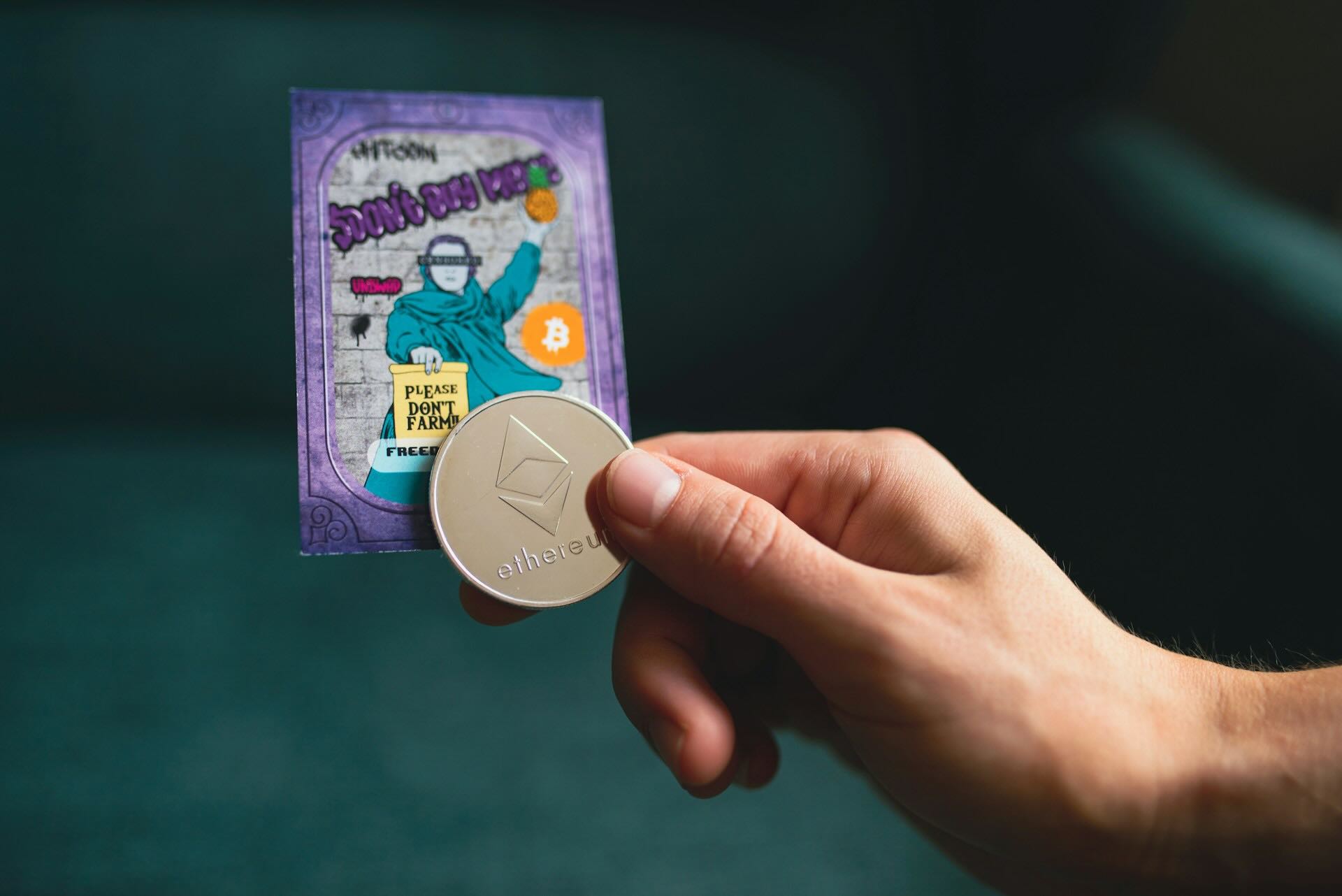
    If you’re tuned into the financial world or have been scrolling social media lately, you’ve likely seen the buzz surrounding NFTs and cryptocurrencies. These digital assets have taken the market by storm, offering new and exciting investment opportunities for those willing to explore crypto exchange platforms.

    But with all the hype, the big question remains: Should you invest in an NFT or a cryptocurrency? This guide explores these digital realms to uncover what sets NFTs and crypto apart and where you might want to put your hard-earned cash.

    What Are NFTs and Cryptocurrencies?

    NFTs, or non-fungible tokens, are unique digital assets that represent ownership of a specific item or piece of content. Unlike cryptocurrencies such as Bitcoin and Ethereum — which are fungible and interchangeable — each NFT holds distinctive characteristics, making it one-of-a-kind.

    From digital artwork and collectibles to virtual real estate, NFTs are revolutionizing how individuals think about ownership in the digital age. On the other hand, cryptocurrencies are digital currencies that leverage blockchain technology to operate independently of central authorities.

    Bitcoin, the pioneer of cryptocurrency, introduced the concept of decentralized peer-to-peer transactions, sparking a wave of innovation in the financial sector. With thousands of cryptocurrencies now available, moving through the digital finance landscape can be thrilling and daunting in equal measure.

    How Do the NFT and Crypto Markets Compare?

    As you consider whether to invest in NFTs or cryptocurrencies, it’s crucial to understand the ins and outs of these digital assets. For example, both markets exhibit high volatility and inherent risk, requiring a careful approach to investing. Additionally, crypto exchange platforms facilitate the trading of both assets, offering users a gateway to buy, sell, and store.

    In this rapidly evolving ecosystem, staying informed and conducting thorough research are essential steps to master the NFT and crypto markets. By studying the complexities of each asset class and weighing the potential risks and rewards, you can make more informed decisions that align with your investment goals and risk tolerance.

    What Is the Investment Potential of NFTs and Cryptocurrency?

    When it comes to assessing the investment potential of NFTs and cryptocurrencies, several factors come into play. For instance, NFTs offer a unique value proposition based on digital ownership and scarcity, making them sought-after collectibles and memorabilia in the virtual world.

    With the potential for creators and investors to monetize their content through NFT sales, the market continues to expand, presenting new opportunities for growth and innovation. On the flip side, cryptocurrencies like Bitcoin and Ethereum serve as digital assets with utility and store of value capabilities.

    As more businesses and individuals adopt cryptocurrency for transactions and investments, the demand for these decentralized assets is expected to rise, potentially driving up their value over time. Understanding the fundamentals of blockchain technology and the use cases of different cryptocurrencies is key to unlocking their investment potential.

    What Are the Risks and Rewards of Each Investment?

    As with any investment, NFTs and cryptocurrencies require weighing the risks against the rewards. While both asset classes offer the potential for substantial returns, they also come with volatility and market uncertainty.

    The fast-paced nature of digital asset markets means that prices can fluctuate dramatically, leading to significant gains or losses in a short period of time. When considering investments in NFTs or cryptocurrency, you’ll want to conduct thorough research, diversify your portfolio, and assess your risk tolerance.

    Regulatory challenges, market fluctuations, and technological developments can all impact the value of digital assets, requiring a disciplined approach to investment management. By knowing the inherent risks and potential rewards associated with NFTs and crypto, you can align your investment decisions with your overall financial goals.

    How To Make Your Final Decision

    Deciding whether to invest in NFTs or cryptocurrencies ultimately depends on your investment objectives, time horizon, and risk tolerance. While NFTs can provide a creative outlet and unique ownership experience, cryptocurrencies offer a means of participating in the digital economy and decentralized finance ecosystem.

    By evaluating each asset class’s investment potential, risk factors, and market dynamics, you can make a well-informed decision that suits your personal financial situation. Ultimately, comprehending the ins and outs of cryptocurrency and NFTs can empower you to move through the market with confidence and clarity.

    Start Making Digital Investments Today

    The choice between investing in NFTs or cryptocurrencies represents a nuanced decision that requires careful consideration and due diligence. Whether you’re drawn to the artistic allure of NFTs or the financial potential of cryptocurrency, taking the time to understand the landscape, evaluate the risks, and align your investments with your goals is essential for success.

    By staying informed, diversifying your portfolio, and seeking guidance from experienced investors, you can master the evolving terrain of blockchain technology and decentralized finance. Explore the possibilities, weigh your options, and embark on your investment journey with a clear understanding of the opportunities ahead.