Category: Laos

  • Explore Luang Prabang Living Heritage At La Résidence Phou Vao

    Explore Luang Prabang Living Heritage At La Résidence Phou Vao

    You may have heard whispers of Luang Prabang—a place where monks walk barefoot at dawn and where golden stupas rise like ancient mirages against misty hills. But only when you step into its rhythm, guided by those who know its soul, do you begin to grasp the full story. That’s precisely what La Résidence Phou Vao promises with its immersive new experience: “Unlocking the Secrets of Luang Prabang.”

    Curated by the city’s most prestigious heritage hotel, this bespoke three-day itinerary doesn’t just showcase the former Laotian royal capital—it lets you live it. The all-inclusive package reveals Luang Prabang’s historic beauty, culinary treasures, spiritual depth, and emerging creative scene, all in signature five-star style.
    A Sanctuary of Colonial Charm

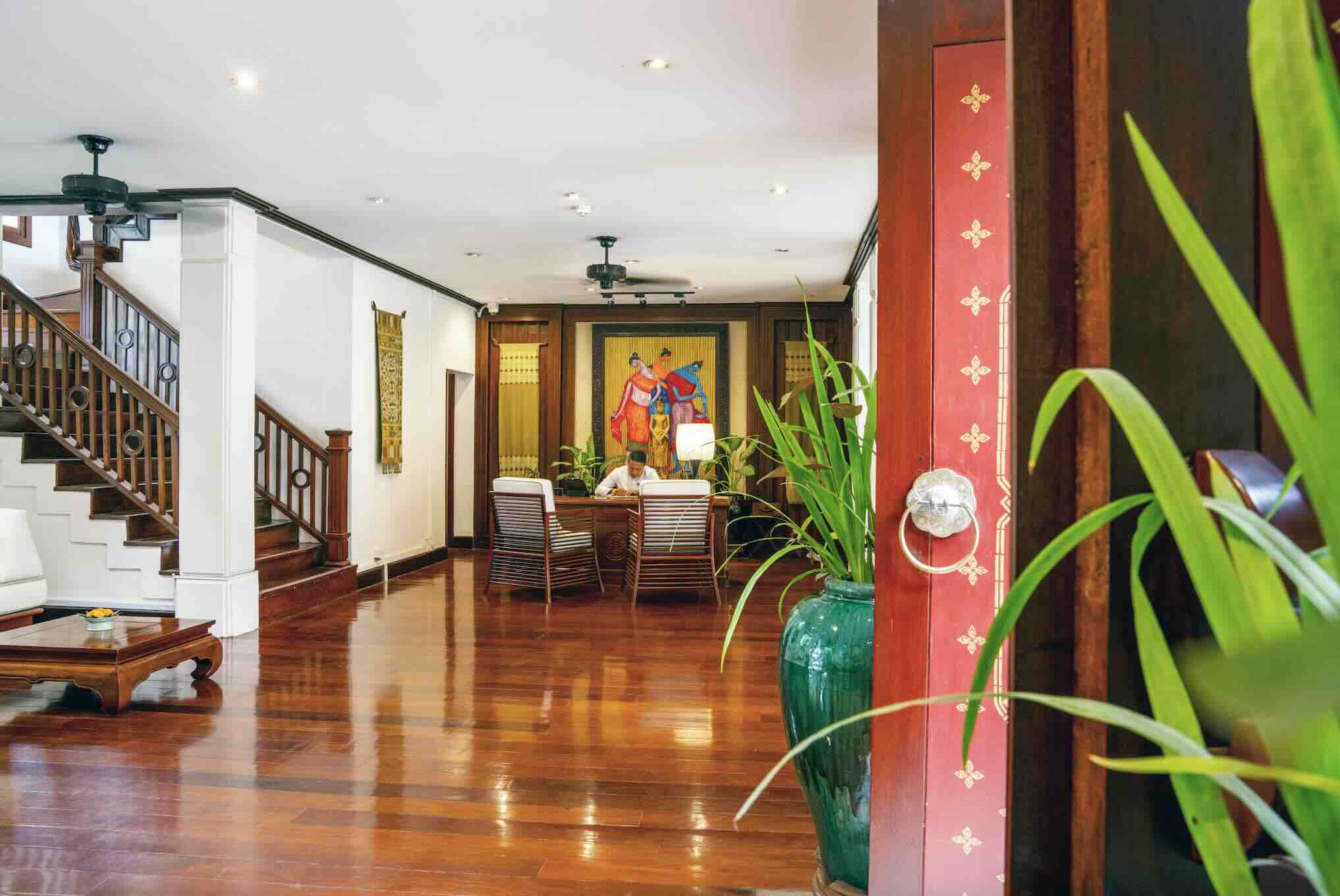
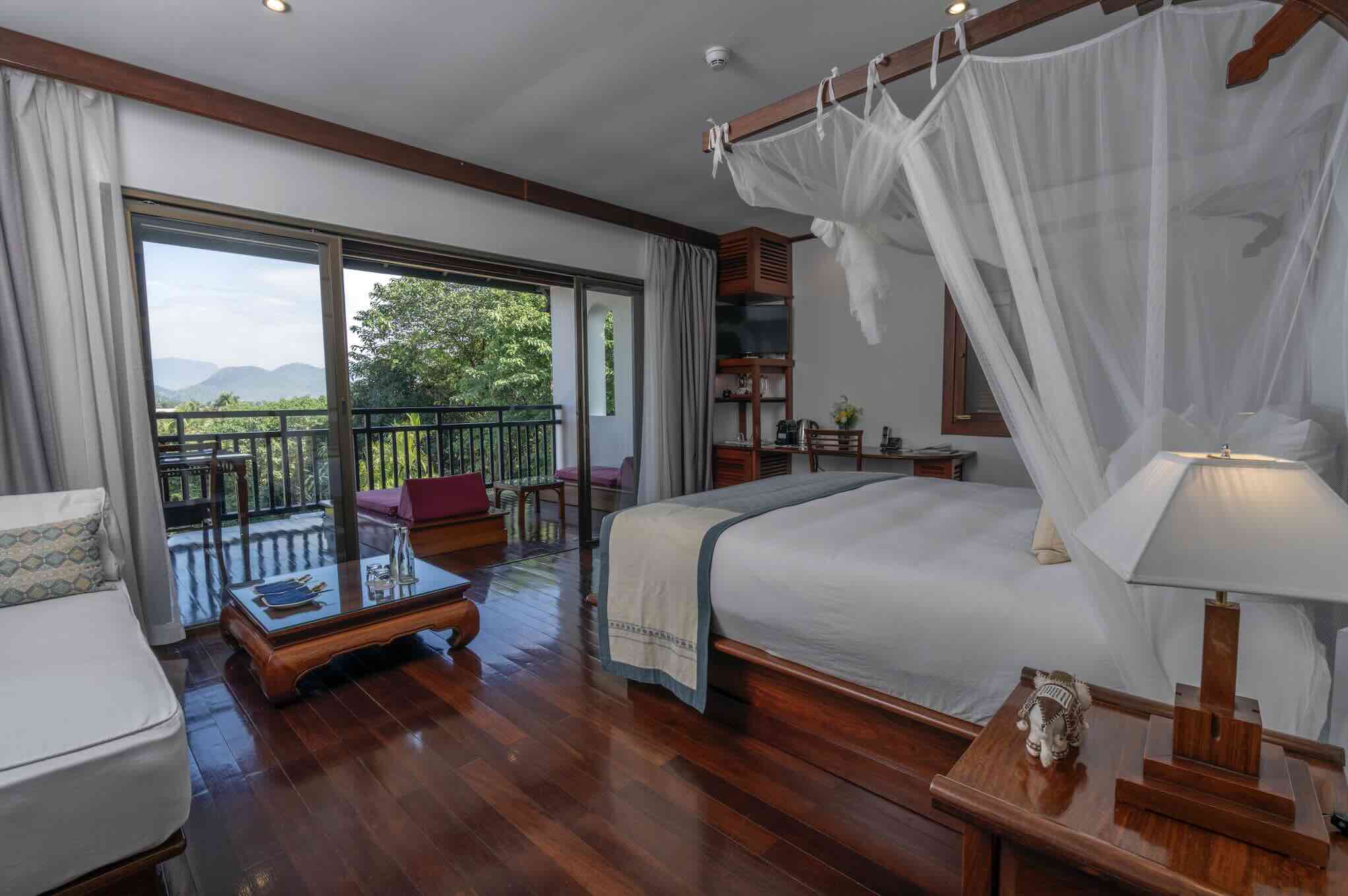
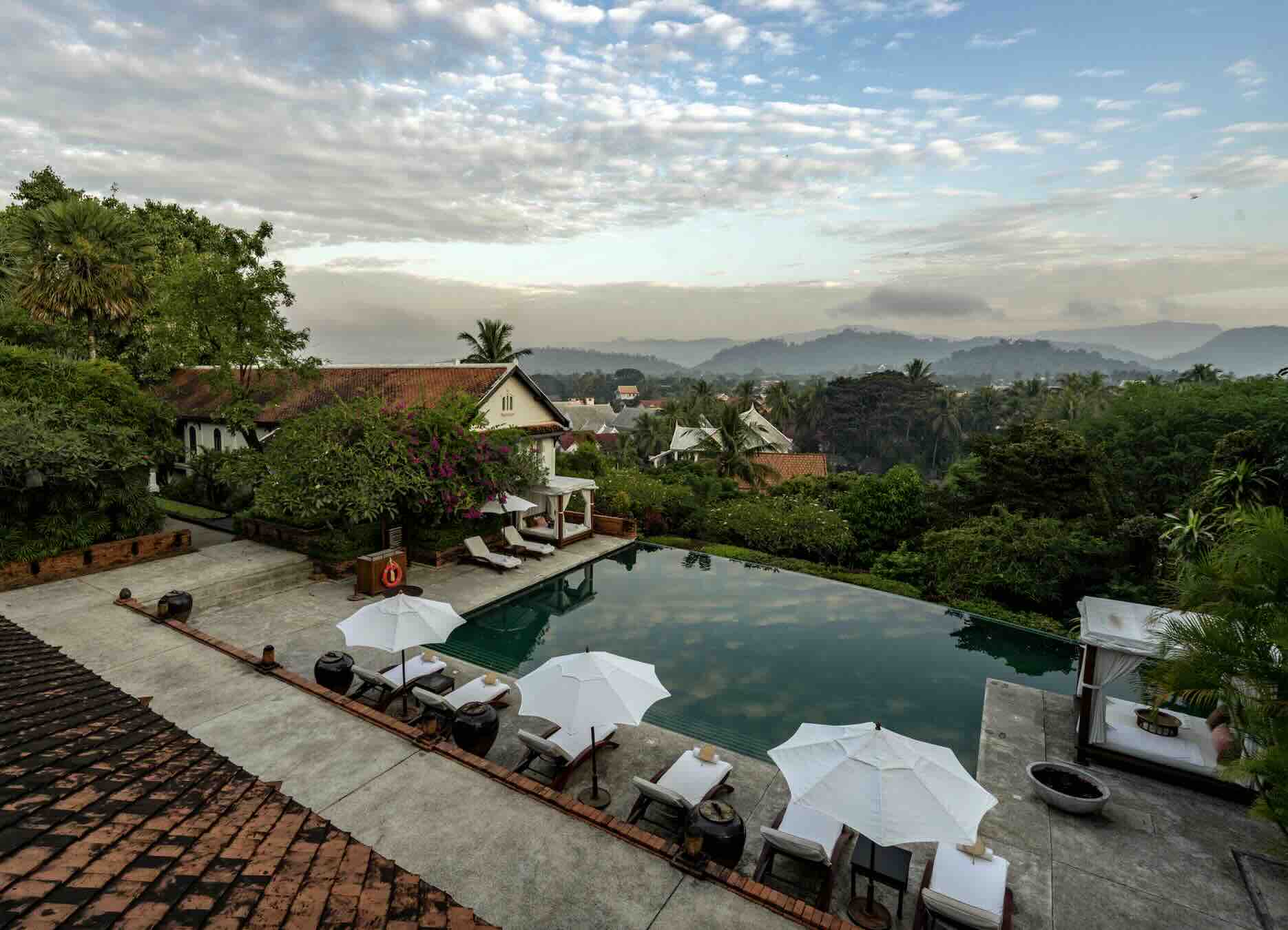
    Perched serenely atop Phou Vao Hill, La Résidence Phou Vao radiates tranquillity. Once a royal guest house, it has been lovingly reimagined under the creative guidance of Sanya Souvanna Phouma—a direct descendant of the Laotian royal family and historian. Operated by HMD Asia, the team behind Cambodia’s celebrated Shinta Mani Hotels, the property weaves French colonial elegance with traditional Lao architecture.
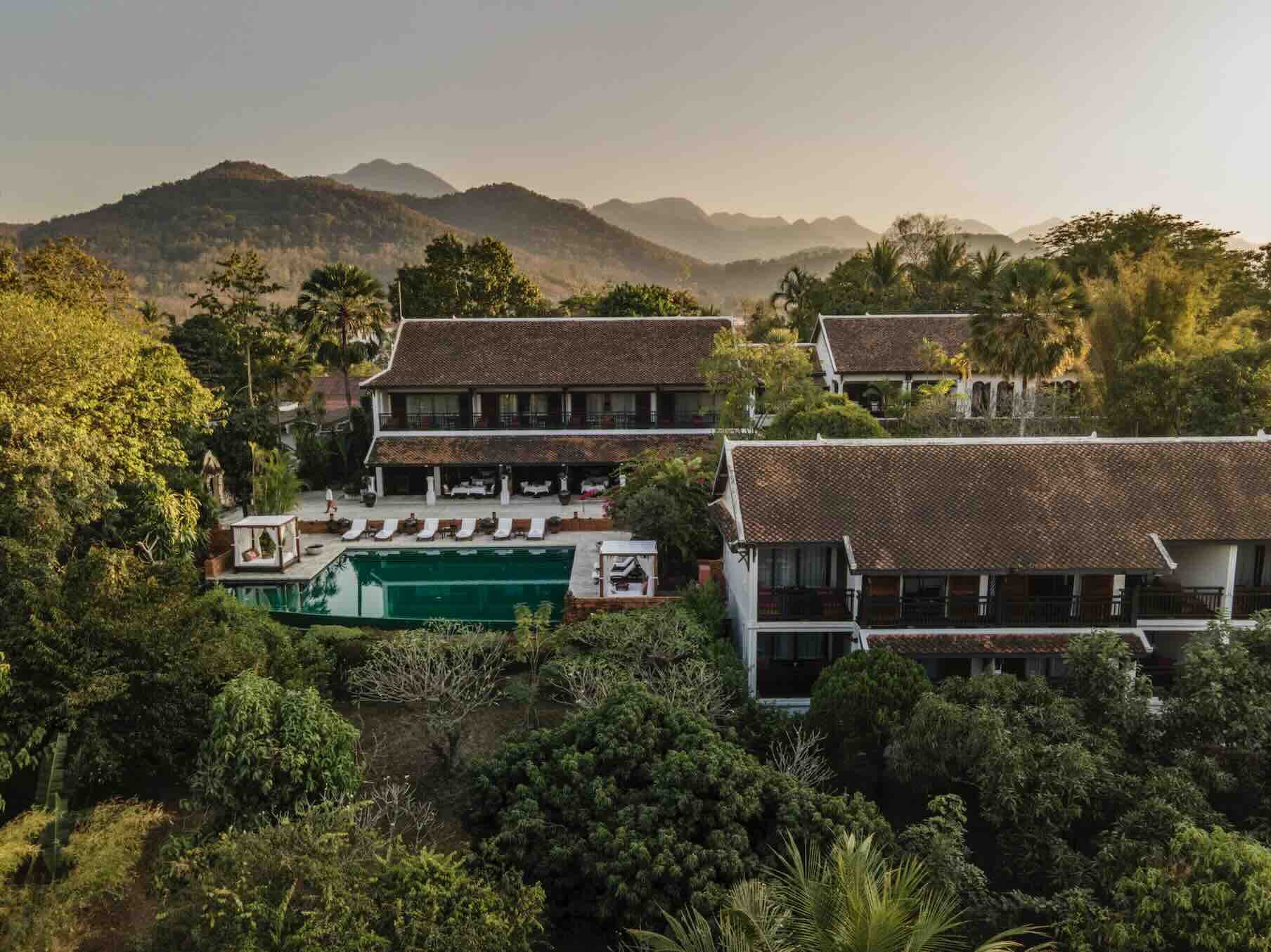
    Surrounded by three acres of landscaped tropical gardens and commanding views of the Mekong valley and sacred mountains, the hotel feels like a world apart—yet intimately connected to the heartbeat of Luang Prabang.

    Day One: Arrival, Artistry, and Aromas

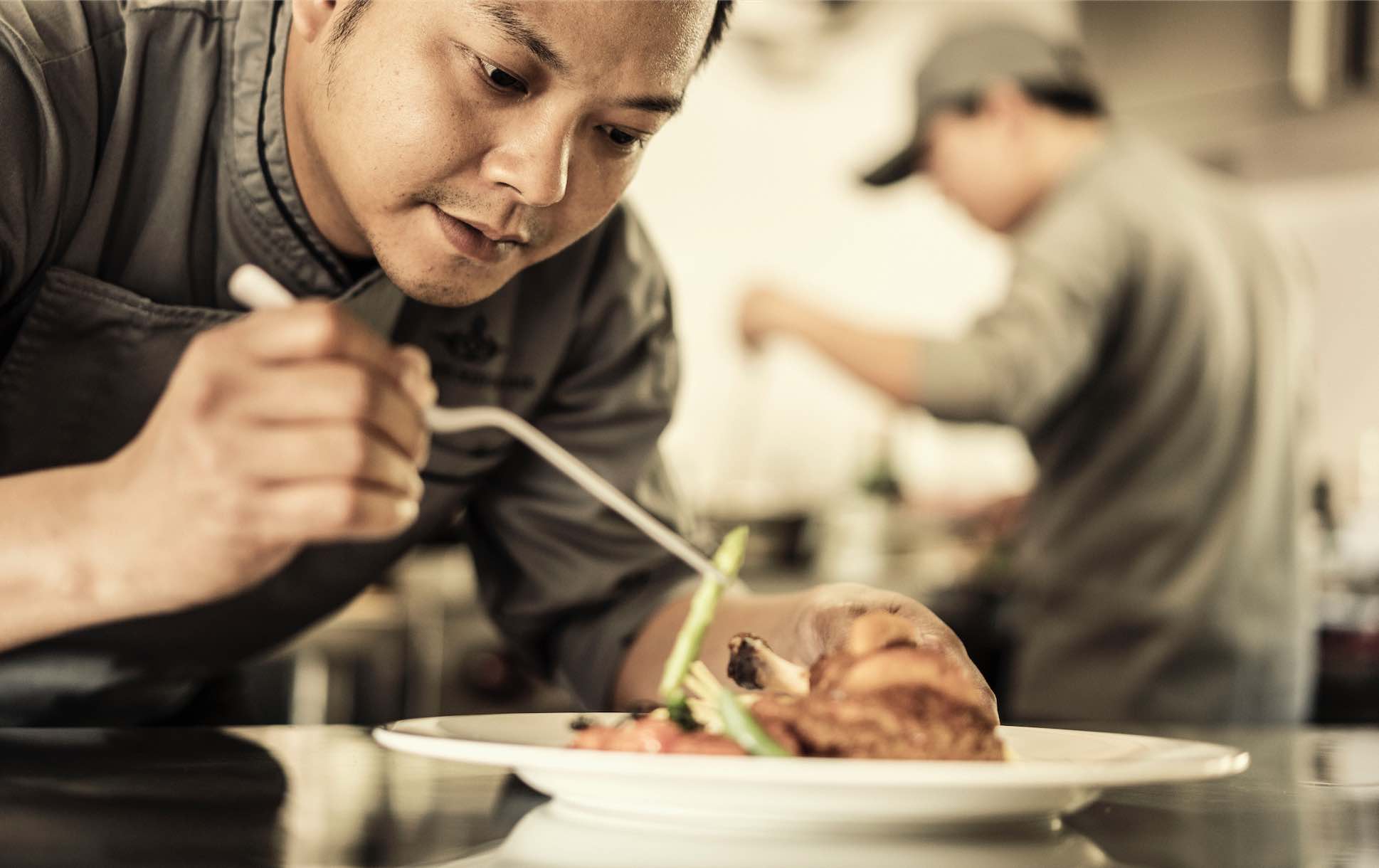
    From the moment you arrive, the experience is immersive. You’re welcomed with elegant sundown cocktails before sitting down to a Chef’s Table dinner at the acclaimed Tam Nan restaurant. Here, clay pots bubble with heritage recipes, and slow-cooked dishes steeped in Laotian tradition offer a masterclass in local flavours. It’s a journey that begins with taste, and trust us—it sets the bar high.
    Day Two: Sunrise, Street Food, and the Secret Bar

    Your second day starts early—before the world wakes—watching the sunrise over the mist-veiled Mekong from the resort’s own garden hill. What follows is a whirlwind of senses: a guided morning market tour with a local chef, where you’ll taste, smell and select exotic ingredients for a Lao cooking class hosted in the resort’s organic garden.

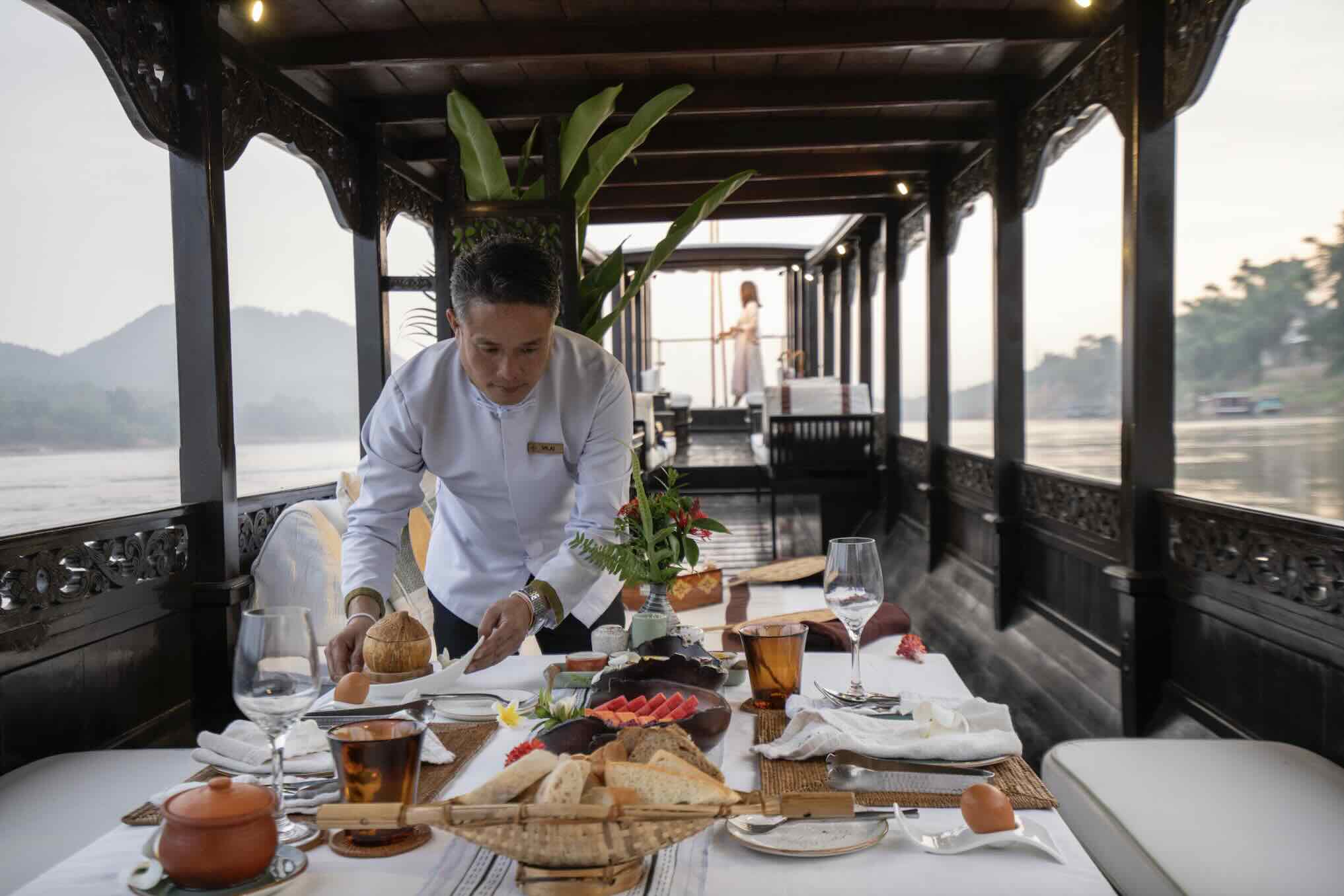
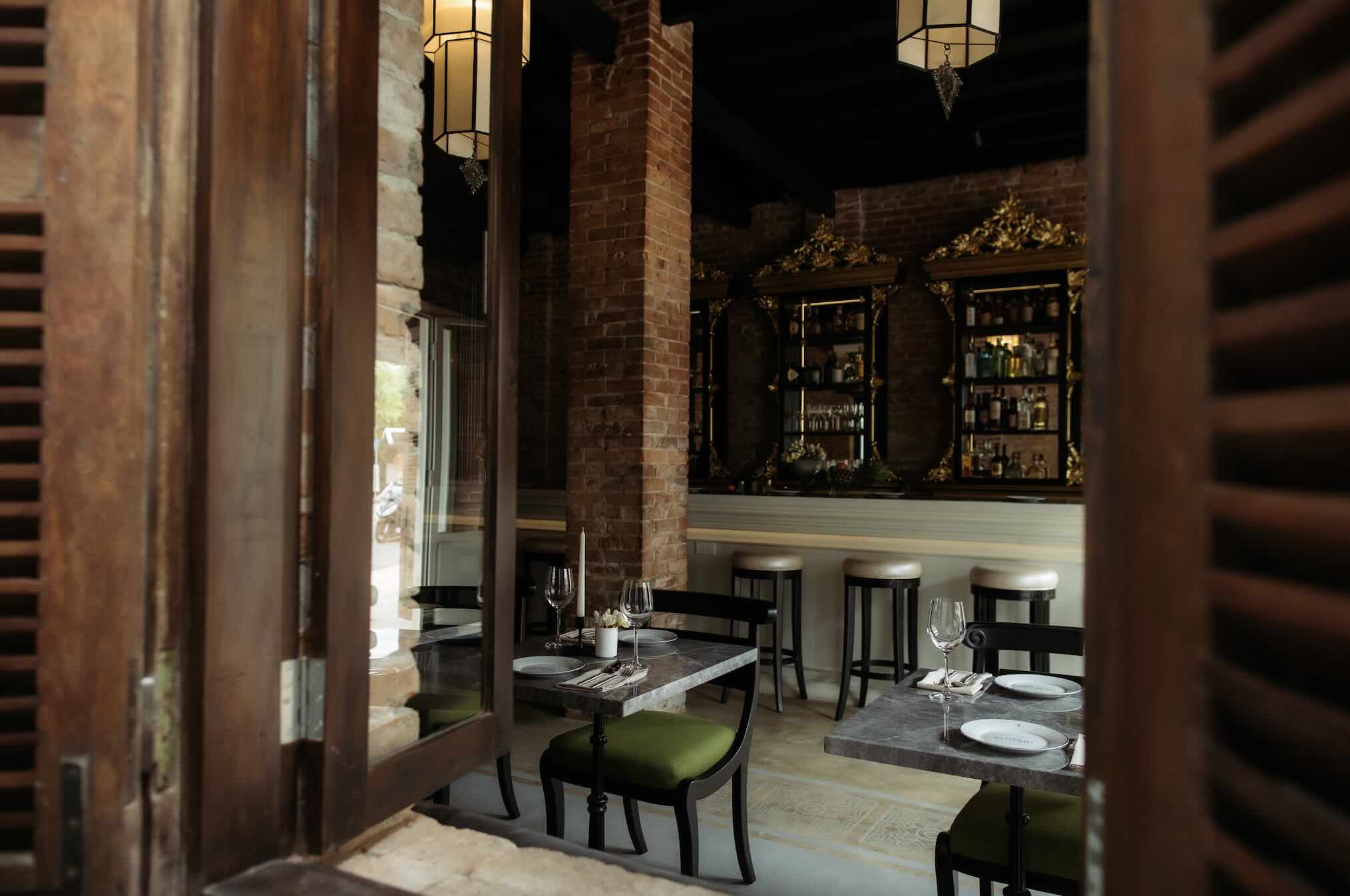
    After lunch, the tempo eases with a private luxury cruise along the Mekong, basking in the golden hues of sunset. Then comes a standout moment: a mystery tasting dinner at Little Lao Culture Bar, a rising star in Luang Prabang’s contemporary food scene. Expect storytelling with every bite, where culture is served course by course.

    The evening winds down through the buzzing night market, a comforting brew at an artisan tea house, and finally, handcrafted cocktails at a hidden gem of a bar—tucked away in a tiny alley known only to those in the know.
    Day Three: Spiritual Awakening and Royal Rituals

    Day three begins with soul. You’ll rise with the city for the sacred Tak Bat ceremony—an alms-giving ritual that’s been practised for centuries. You’ll prepare sticky rice before offering it to lines of saffron-robed monks in silence. Guiding you through this is Madam Laa, who has spent over four decades in daily merit-making—a living testament to spiritual devotion.

    A City & Architecture Tour with a local historian follows, peeling back the layers of Luang Prabang’s identity. Its UNESCO recognition stems from a rare blend of Lao and French colonial architecture, woven into a beautifully preserved townscape that resists time.

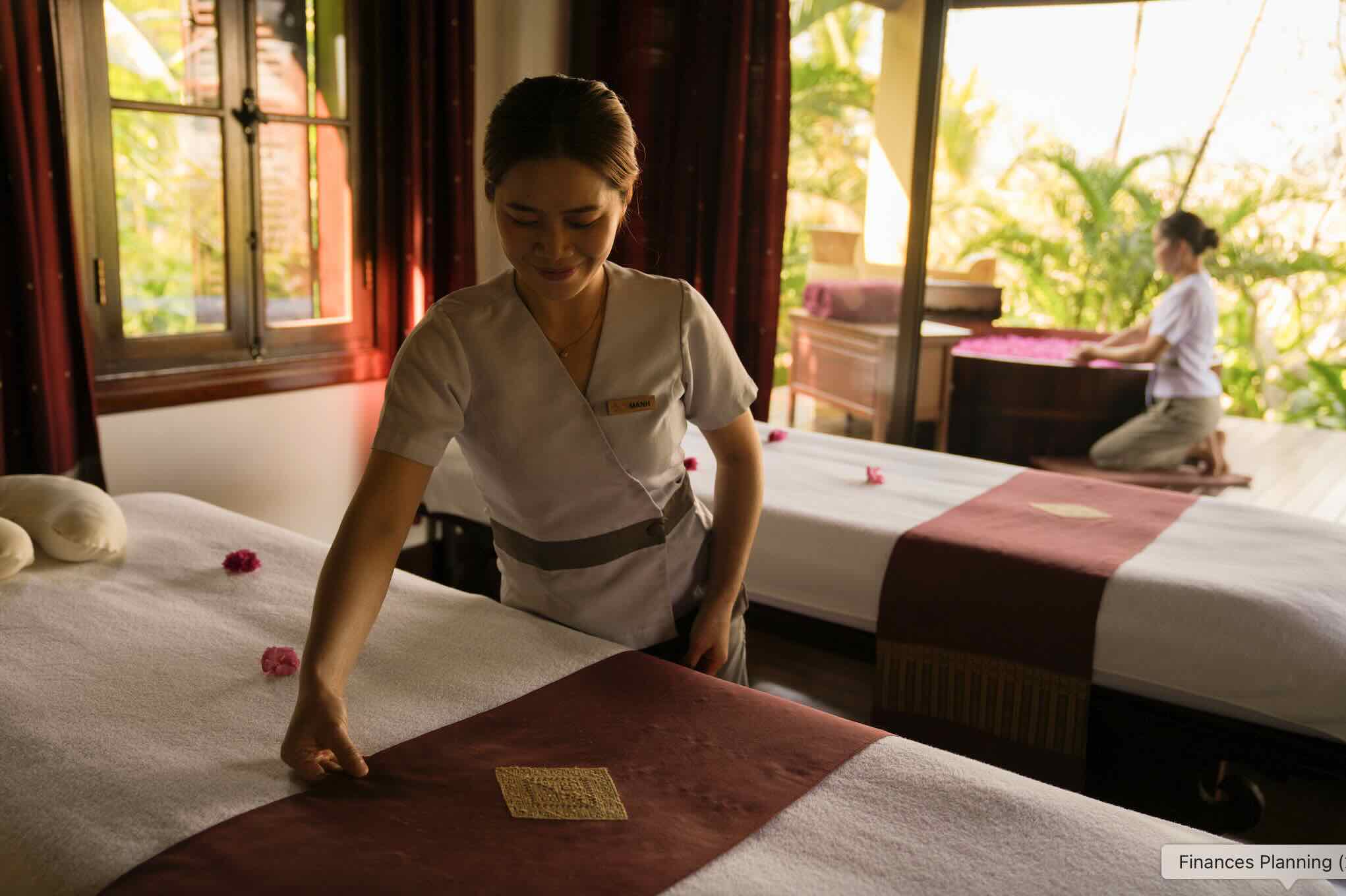
    Back at La Résidence, the afternoon is dedicated to wellbeing. Indulge in a signature bamboo massage at the Mekong Spa, where ancient techniques using warm botanical oils and steamed bamboo rods work to soothe both body and spirit. Once reserved for royalty, these treatments now belong to you.
    Final Night: Textiles, Taste, and Tales

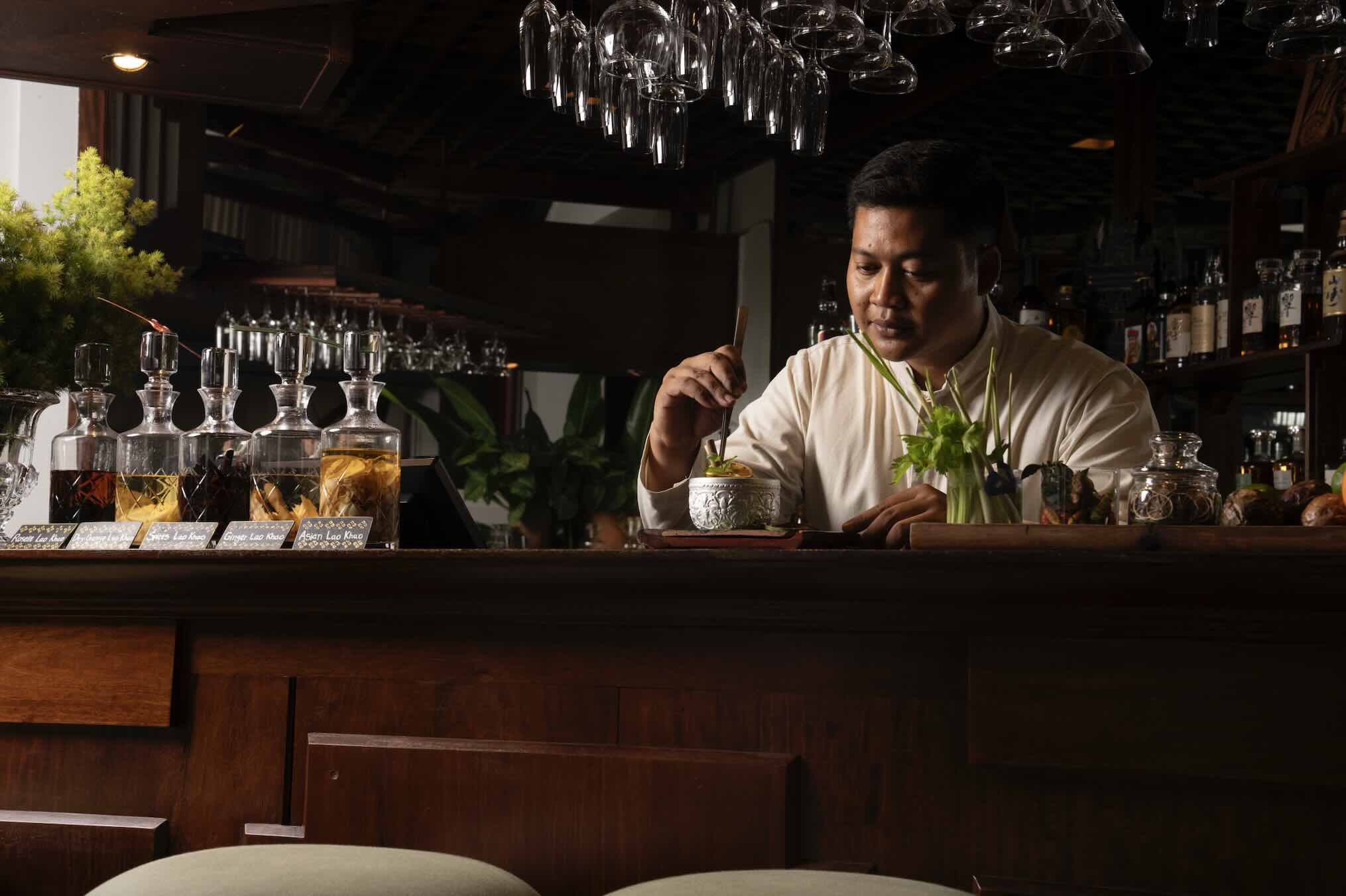
    The final evening begins with sunset cocktails at the Ok Pop Tok Living Craft Centre. This immersive space shares the captivating story of Lao textiles—from silkworms to loom, from natural dye to finished fabric. It’s tactile, beautiful, and entirely local.

    Your last dinner unfolds at the Governor’s Grill in the gardens of Sofitel Luang Prabang—a verdant setting for an Epicurean Exploration dinner. It’s the perfect end, made even better with post-dinner drinks and dessert back at La Résidence, surrounded by flickering lanterns and a sky full of stars.
    For Those Who Stay A Little Longer

    Departing later or tempted to extend? You can add a sunrise picnic at the breathtaking Kuang Si Waterfalls—a cascade of turquoise tiers nestled in the jungle. The farewell is as intimate as the welcome: a “secret lunch” at a local home, hosted by a cultural personality who shares stories, laughter, and a heartfelt meal. It’s not just travel—it’s a connection.
    Book Your Journey

    Rates for this all-inclusive, three-night “Unlocking the Secrets of Luang Prabang” experience begin from USD 990++ per suite per night, covering all meals, non-alcoholic drinks, guided excursions, and the private boat cruise. Whether you’re seeking sacred rituals, local gastronomy, or stories hidden in the stones of colonial mansions, this is your key to uncovering Luang Prabang—layer by layer, moment by moment.

    La Résidence Phou Vao invites you to travel deeper, stay longer, and return transformed.

    For more information, please visit La Résidence Phou Vao.
  • Laos Assures With New Destination Video On Travel Safety

    Laos Assures With New Destination Video On Travel Safety

    LaoSafe has launched a new Laos destination video showcasing the wonders of Laos as the country works on their post-Covid-19 revival of tourism. Exploring several of Laos’ most popular tourist hotspots, the video highlights the benefits of the LaoSafe certification to business, leisure, and adventure travellers alike. Restaurants, hotels, indoor and outdoor activities are all featured in the video, alongside the expertise of LaoSafe-certified tourism professionals.

    Implemented by the Ministry of Information, Culture and Tourism, and approved by the Ministry of Health, LaoSafe is a nationwide initiative designed to create a world-class health and hygiene system within the tourism and hospitality industry. Sector-specific standards have been developed for accommodation, food and beverage, tour guides, and drivers, to raise the benchmark of hygiene provision throughout the country and build international confidence in the Laos as a safe tourist destination.

    To further this goal, LaoSafe has launched this English-language destination video highlighting the range of tourist experiences in Laos while focussing on the skills, knowledge, and contemporary hygiene practices of the tour guides, drivers, and service professionals who deliver them.

    Set against the backdrop of Laos’ stunning scenery and cultural heritage, the video follows a couple as they journey through some of the most popular attractions of this singular destination; a morning workout in a luxury 5-star gym, the tranquillity of a visit to the Buddhist temples, the adventure of zip lining and kayaking through karst rock formations, and, finally, relaxation with a cup of freshly brewed Lao coffee in nature.

    At each stage of the trip, they are greeted and guided by certified staff following LaoSafe protocols, including offering face masks and hand sanitiser, practicing thorough cleaning techniques, wearing personal protective equipment, and encouraging visitors to undergo temperature checks.

    The video ends with the slogan “You’re Safe Here”, a motto that underscores the overriding goal of the LaoSafe initiative.

    “The LaoSafe certification program has been instrumental in restoring confidence in the Lao tourism sector among visitors. This video allows the sector to build awareness and increase certification efforts beyond Vientiane Capital and Luang Prabang,” said Mme Darany Phommavongsa, Director General of the Tourism Management Department, under the Ministry of Information, Culture and Tourism.

    Regarding the launch of the video, Mme Darany Phommavongsa said, “This destination video is an important contribution to ensuring visitors are aware not only of the safety measures and guidelines in place by the LaoSafe program, but also serves to showcase the beautiful tourism sites that Laos has to offer.”

    “We will continue to build on the momentum of the LaoSafe initiative to ensure that Laos remains a safe and clean country that is attractive for both foreign and domestic visitors in line with the government’s green growth and sustainable development goals,” she added.

    The LaoSafe program is supported by the Skills for Tourism Project (LAO/029), which is co-financed by the governments of the Lao PDR, the Grand Duchy of Luxembourg and Switzerland, and implemented by the Ministry of Education and Sports of the Lao PDR and LuxDev, the Luxembourg Development Cooperation Agency.

    For further information, visit https://laosafe.gov.la/

  • 5 Things To Do In Laos

    5 Things To Do In Laos

    While Laos may not be a popular tourist destination compared to its neighbouring countries such as Vietnam and Thailand, it’s a beautiful and exciting country to add to your travel list. Its beauty lies in its nature with breathtaking karst and limestone mountains, lush jungles, hidden caves, and more. This country has good food and adventure activities such as kayaking, climbing, biking, and trekking. Laos is known for its relatively unspoiled beautiful temples, scenery, epic caves, and more. This article outlines five things to do in Laos. 

    1. Visit the Traditional Arts and Ethnology Center

    If you’re fascinated by the ethnic minority classes that constitute Laos’ population, then the Traditional Arts and Ethnology Center is the place to visit for an educational experience. Laos has over 160 ethnic groups. However, the museum concentrates on the four primary ethnic minorities.

    Here, you’ll see traditional ethnic collections of handmade crafts, artifacts, and regalia vital for these groups. There are guides available to give you a tour of the Traditional Arts and Ethnology Center. If the guide speaks Hmong, you can get a Hmong Translator to interpret everything the guide says, ensuring an excellent experience.

    2. Explore the Kong Lor Caves

    The Kong Lor Caves are tucked in central Laos’ Phou Hin Boun National Protected Area, a river cave system stretching over 7.4 kilometers. With the help of a guide to show you the beautiful ecological formations, you can take a boat ride across the caves. Upon making your way via the winding cave waters, you can walk through Kong Lor’s tiny rural village and enjoy other activities in the park. Since the Kong Lor Caves are almost five hours from Vientiane, you can stay there, organize an overnight trip, and hire a bus for the day.

    3. Go to the Elephant Village Sanctuary

    The Elephant Village Sanctuary is an educational facility in Luang Prabang devoted to protecting and rehabilitating Laos’ Asian elephants. The sanctuary offers employment to the villagers. The elephants here are from rescue missions. A day’s tour in the Elephant Village Sanctuary allows you to mingle with the big animals. You can enjoy an experience tailored to enable you to ride while learning how to bathe and care for the elephants.

    4. Enjoy a Vientiane city tour

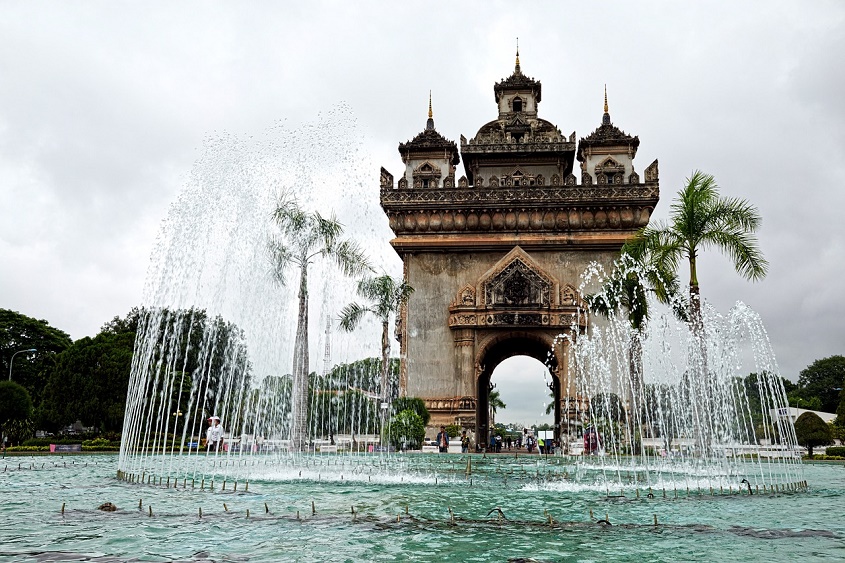
    Considering the large number of ethnicities constituting the Laos population, touring Vientiane’s capital city is an excellent way to understand the country’s culture and history. A sightseeing tour of the city can get you to the city’s core tourist attractions, such as Wat Si Saket, Patuxay Monument, Buddha Park, and Phra Keo. You can also stop at Vientiane’s COPE Visitor Center to learn about the crucial work of offering prosthetic limbs and disability services for those affected by bombings. The Vientiane night market is an exciting excursion you can’t afford to miss.

    5. Trek in the Luang Namtha

    Stroll deep into the jungle’s heart and discover the Luang Namtha’s natural beauty. Found in the Northeastern part of Laos, Luang Namtha is famous for its lush valleys, flowing rivers, and dense forests. If you want an adventure, multi-day treks are the best way to enjoy the landscape. There are various trekking and trail companies you can pick from. When trekking in the Luang Namtha, you may camp outdoors or explore the minority villages.

    Endnote

    Laos is an exotic Southeast Asian destination to explore. Consider incorporating these things in your next Laos holiday.

  • Mekong Kingdoms Cruises – Ultra Exclusive Laos & Thailand River Cruises

    Mekong Kingdoms Cruises – Ultra Exclusive Laos & Thailand River Cruises

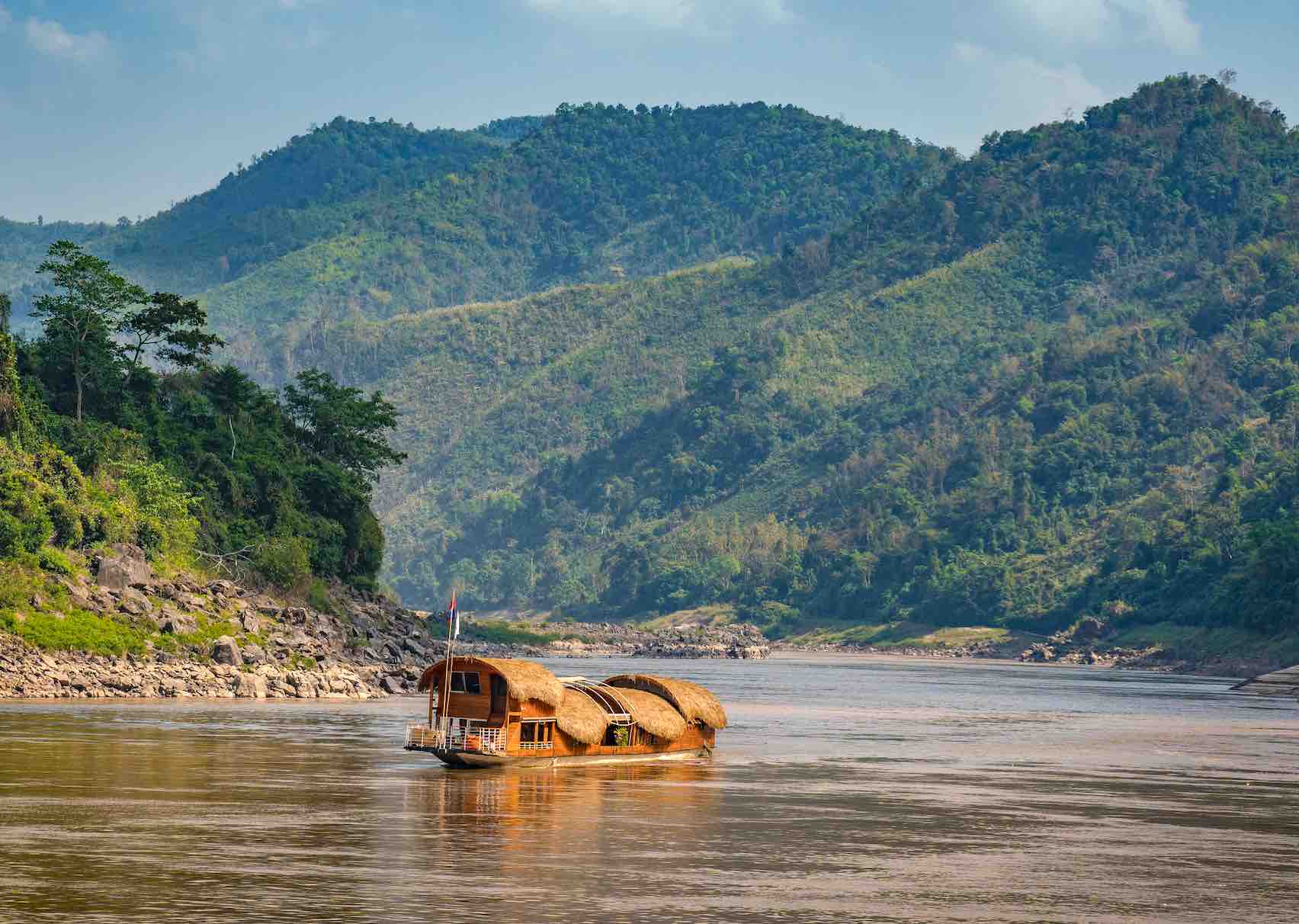
    Mekong Kingdoms Cruises recently launched the Mekong River voyage of Gypsy, an ultra-exclusive two-cabin river cruiser, between the ancient Laos capital of Luang Prabang and Thailand’s Golden Triangle. Mekong Kingdoms private tailored three nights, four days cruise from Luang Prabang to the Golden Triangle and two nights, three days cruise from the Golden Triangle to Luang Prabang for up to four passengers are on offer.

    For those who seek a superior cruise experience that can be as spirited, laidback or personalised as their heart and soul desire, Mekong Kingdoms Cruises Gypsy offers the most intimate journey where adventurous voyagers and armchair travellers alike can enjoy first-class services – from plush contemporary surrounds to gourmet meals and bespoke experiences both on board and ashore.

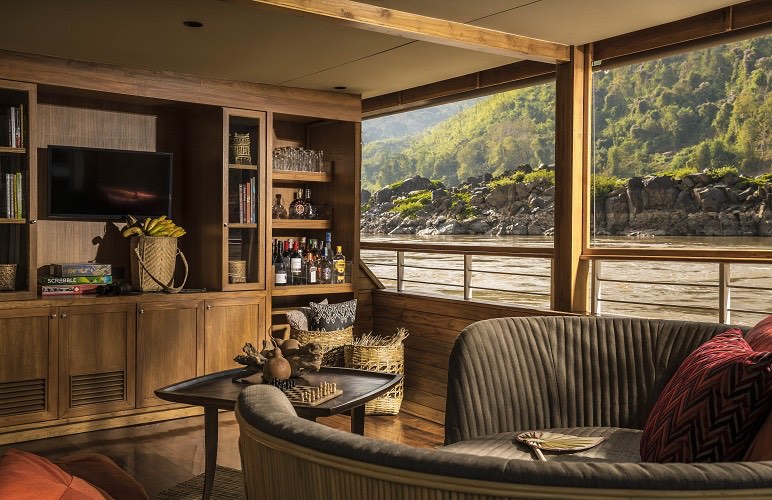
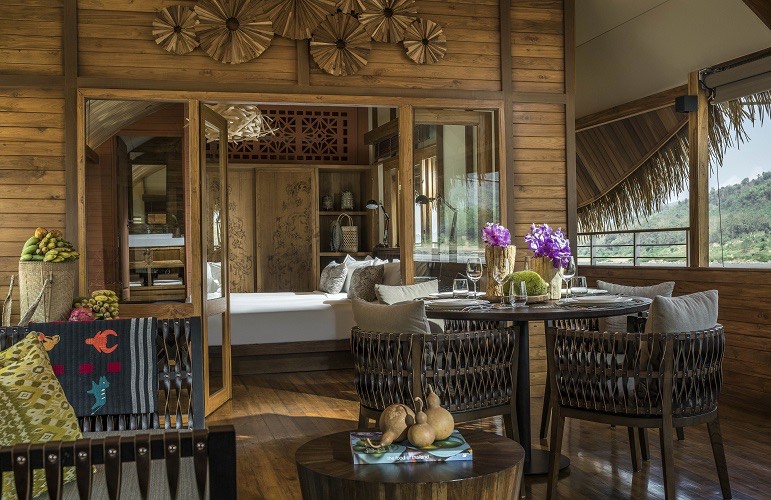
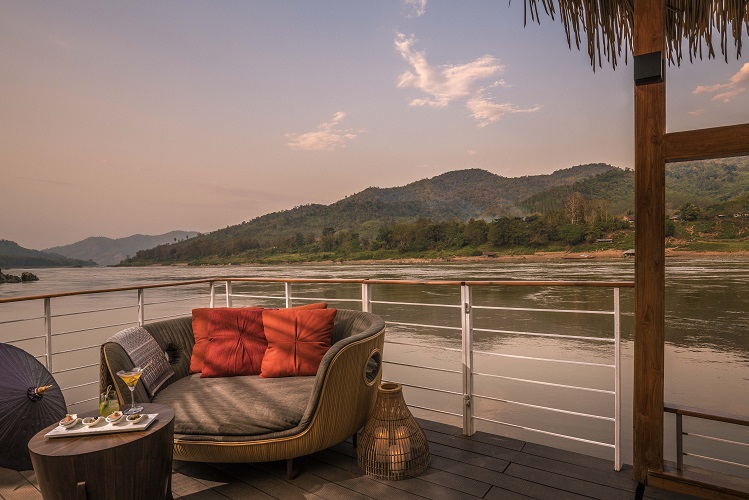
    Meticulously designed to accommodate the modern day lifestyle of the most discerning wanderlust souls, the 41-metre, two-cabin vessel epitomises a fine balance between playful mingling and reflective solitude.  With ample indoor and outdoor living spaces to comfortably accommodate families or small groups, Gypsy also features a communal mid-ship lounge, bar and dining area, as well as a separate veranda style lounge with an al fresco panorama deck at the bow of the boat.

    For Bangkok based design consultant Ms Jiraparnn Tokeeree from TOUCHABLE, furniture and interior design is more approachable and touchable than the abstract concept of art – for her, art is all around us and she adapts aesthetics and artistic aspects into her designs in order to accentuate this notion.  For the Mekong Kingdoms Cruises Gypsy interior design project, she fashioned a harmonious social atmosphere of modern homely design, juxtaposed with hints of the glamorised bygone era of romantic voyaging.

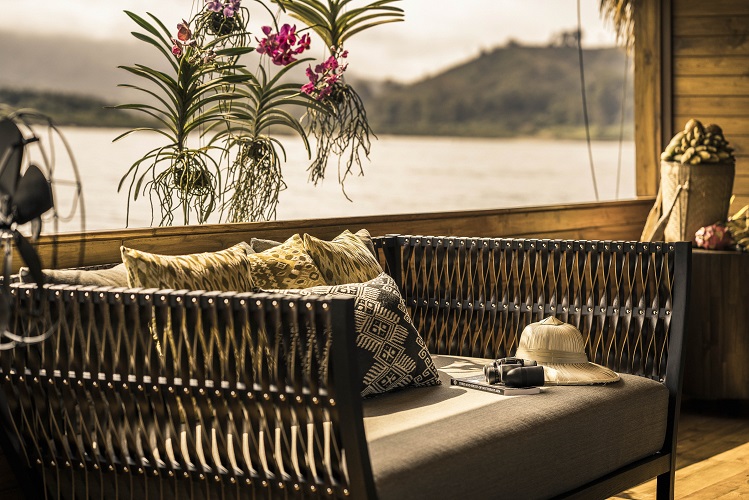
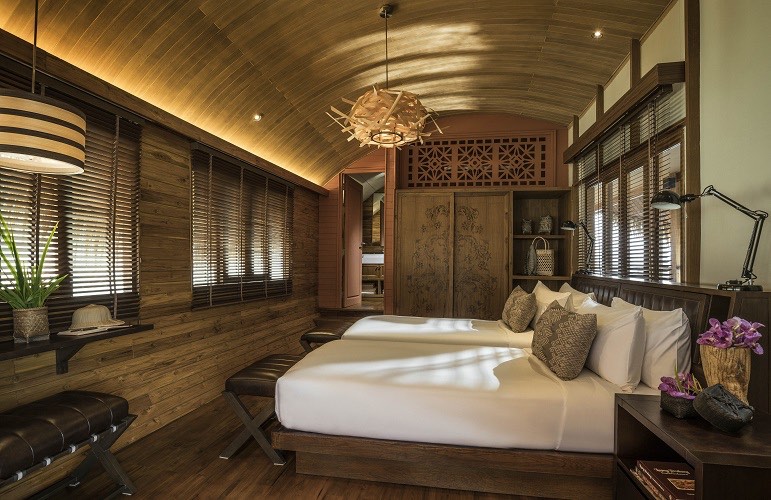
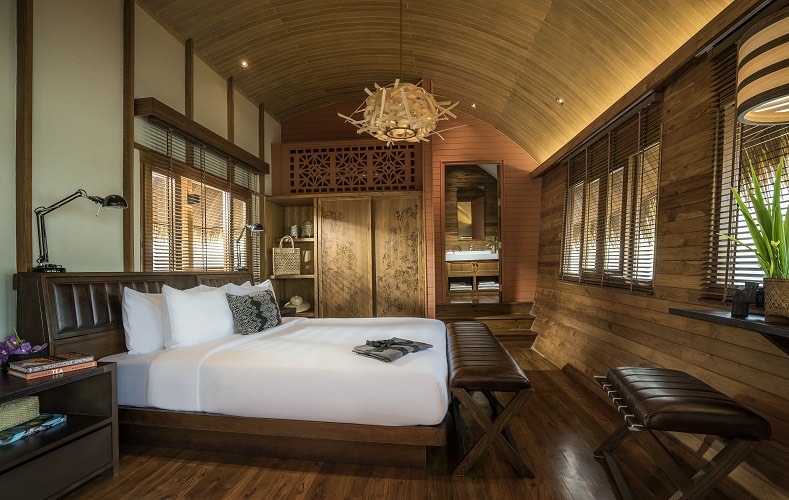
    Wood and thatch throughout blend seamlessly with the verdant surrounds of the mighty Mekong River’s shores through floor-to-ceiling windows and from open sun decks.  The boat’s contemporary designed interiors feature tongue and groove wood panelled ceilings, floors and walls; etched wooden cupboards and closets; solid wood tables; dark woven leather seating; and oversized bamboo daybeds. Local handwoven ornaments adorn the spaces and freshly cut flowers create a naturally soothing ambience, while Thai silk and fabrics drape the furniture in bold colours and lustrous appeal.

    The well-appointed spacious sleeping cabins are fully air-conditioned and consist of a king bed and twin beds configurations, each with an en-suite shower and vanity.  Intimate touches of bathrobes and slippers; crisp white bed linen; regular and feather pillows; and a choice of exquisite bathroom amenities provide convenient functions with the comfort of home.  A hairdryer, vanity and makeup mirror are provided, while a personal safe promises in-room safety.

    Cruising along the majestic mighty Mekong River from near the world-renowned Anantara Golden Triangle Elephant Camp & Resort in Chiang Rai to the UNESCO World Heritage city of Luang Prabang conjures up images of old Indochina, of languorous days gone by, teeming with exhilarating river adventure, mystical temples and stunning untouched scenery.  Voyagers will be captivated by the languid river lifestyle, soaking in nature’s wonders along the Mekong River Valley, marvelling at encounters with fascinating local cultures as they stop at villages and attractions along the way.

    Daily shore excursions offer a mix of age-old culture, local immersion and adrenaline-charged adventure and include guided jungle treks; mountain biking in Ban Houy Phalam; freshwater fishing; a traditional weaving workshop at Ban Baw; Laos whisky tasting; a visit to a little known elephant camp in Pak Beng; and the Pak Ou caves – with its breathtaking limestone karst formations, these two caves have been gifted thousands of Buddha images, left by pilgrims over the centuries. Even while cruising the placid waters, you and your loved ones can enjoy a range of wellness, cultural and fun diversions on board, including yoga; folk dancing; learning to speak the Laos language; weaving workshop; and cooking class.

    After an adventurous day of exploring Southeast Asia’s most beguiling waterway, the boat’s open decks offer a welcome respite to savour a decadent Champagne high tea while watching the world go by.  As the sun sets, cocktails on the panorama deck are the order of the day before retreating to the dining area for an evening of fine dining and imbibing, courtesy of the onboard chef.

    Rates start from USD 5,450 for three nights, four-day cruise from Luang Prabang, Laos, to the Golden Triangle, Thailand; and from USD 6,950 for two nights, three days cruise from the Golden Triangle to Luang Prabang.  Rates are per boat for up to four guests and include all onboard meals; welcome reception with canapés; soft beverages, water, beer, selected wines and coffee and tea; Wi-Fi; shore excursions, English guide, entrance fees and transfers; onboard activities; return airport or hotel transfers; and gratuities.  Children aged four years and under travel free. For further information or to make a reservation contact 856 71255001 or info@mekongkingdoms.com

  • What You Need To Know To Plan Your Laos Holiday

    What You Need To Know To Plan Your Laos Holiday

    When people think of Asia, they often overlook the country of Laos. This landlocked country remains one of Southeast Asia’s most charming yet elusive destinations. In Laos, Buddhism permeates every facet of life, change comes slowly, and folks bed down early. It makes the perfect getaway to break from office politics or put a pause in a super-packed travel itinerary. Open your heart and allow Lao’s mountains, raw natural beauty and warm hospitality of the Laotians bring you unrivalled peace and serenity. To help you with your trip, we have put together what you need to know to plan your Laos holiday.

    A post shared by Laos Tourism (@laostourism) on

    Getting To Know Laos

    Laos, the only landlocked country in Southeast Asia has its capital in Vientiane. With more than 236,000 square kilometres in area, the country has a population of just under 7 million. After the constitutional monarchy in 1976, Laos is one of the world’s last communist states and also one of the poorest countries in the world, relying heavily on aid.

    Lowland Lao (Lao Loum) comprise approximately 70% of the population while upland Lao (Lao Theung) and highland Lao (Lao Soung) make up roughly 20% and 10% respectively. Chinese and Vietnamese are a small but economically significant portion of the population.

    The national language used is Lao. It is a tonal language that is closely related to the Thai language, although the written scripts differ. English is the most spoken foreign language in the country.

    Similar to its neighbours Thailand, Myanmar and Cambodia, Laos is a predominately a Buddhist country. However, a significant 30% of the population, especially those in the highlands, follow animist beliefs.

    A post shared by Laos Tourism (@laostourism) on

    People & Culture

    Lao people are generally frank and friendly. They treat everyone with kindness and respect and all who reciprocates in return will receive a warm welcome.

    The generally accepted form of greeting among Lao people is the Nop. You can do it by placing your palms together in a praying position at your chest level. Note that your palms should not be touching your body. The higher the position of your hands, the greater the sign of respect for the recipient. However, your hands should not be held above the level of the nose. The nop is accompanied by a slight bow to show respect to persons of higher status and age. The nop is also used as an expression of thanks, regrets or simply saying goodbye. With foreigners, Laotians are generally ok to just shake hands.

    A post shared by Laos Tourism (@laostourism) on

    The feet is considered the inferior part of the body (spiritually as well as physically). Hence, you must never touch or point to another person or object with your foot.

    Best Time To Visit

    For the most part of the year, you should be expecting hot and humid weather. Laos enjoys a tropical climate with two distinct seasons. The rainy season starts from May and ends off during September while the dry season takes over from October to April.

    If you are thinking of heading to Lowland Laos, November to January would be your best time to visit. This period is when the daytime temperatures are comfortably warm, evenings are slightly chilly and the countryside is green and lush after the rains. However, you should also note that at higher elevations temperatures are significantly cooler and can sometimes dropping to freezing point. In February, the temperatures start to climb. By April and May, the temperature will peak at a maximum of 38 degrees Celsius making the lowlands unbearably hot and humid.

    A post shared by Laos Tourism (@laostourism) on

    The highlands are, for the most part as hot as the lowlands. There are however spots such as Paksong on the Bolaven Plateau that enjoy a temperate climate year-round. Due to slash-and-burn agriculture, much of the north, including Luang Prabang, gets shrouded in smoke from March until the beginning of the monsoon, which is bad for your health and seriously affects your photography if that is your main focus.

    The rainy season (May – September) have the tendency to make Laos’s unpaved roads almost impassable after the rains begin. However, they also allow rivers to rise to a level that makes boat transportation possible.

    A post shared by 청춘예찬 (@youth_yechan) on

    In its Capital – Vientiane, a minimum temperature of 19 degrees celsius is to be expected during January. In mountainous areas, however, the temperature drops to as low as 14-15 degrees celsius during the winter months, and during cold nights, it can easily reach the freezing point.

    A post shared by Ryan Lewis (@ryanl30) on

    Entry Into The Country 

    Unless you hold a passport from Japan or one of the ASEAN member states, you’ll need a visa to enter Laos. The good news is that you probably won’t need to arrange it in advance; thirty-day visas are now available on arrival at most international borders. Note that all visitors must hold a passport that is valid for at least six months from the time of entry into Laos.

    Visas on arrival take just a few minutes to process, cost around $35, and are available to passengers flying into Luang Prabang Airport, Pakse Airport and Wattay Airport in Vientiane.

    A post shared by Laos Tourism (@laostourism) on

    Extending Your Stay

    Visa extensions are fairly easy to obtain. However, you will need to plan ahead to avoid overstaying your visa as there is currently a $10 penalty for each extra day you spend in the country. The cheapest option is to visit the immigration office on Hatsady Road in Vientiane before your visa expires. Here, visa extensions are issued at the cost of $2 per day and the maximum length of an extension is fifteen days.

    Alternatively, you can also choose to leave the country and enter again (which might work out cheaper if you’re planning to extend by twenty days or more) or pay a local travel agent to arrange the visa extension for you. Generally, this is more expensive, with most vendors charging around $4 per extra day required. Thirty-day business visas that have the potential to be extended can also be arranged in advance at the Lao embassies and consulates listed below.

    A post shared by Laos Tourism (@laostourism) on

    Currency & Exchange

    The Kip is the official currency of the Lao PDR and the following banknotes are currently in circulation: 500; 1,000; 2,000; 5,000; 10,000; 20,000, 50,000 and 100,000 Kip.

    The best currencies to use when exchanging money are: US Dollars, Euros and Thai Baht. You can exchange your currency at the bank, airport, or at a foreign currency exchange office.

    A post shared by 0704 (@silhouette0704) on

    We hope you will enjoy your stay in this wonderful country! Do share with us your experience in the comments section below too!