Category: Exotic Asia

  • 15-minute Myanmar Travel Guide – What To See & Do In Myanmar

    15-minute Myanmar Travel Guide – What To See & Do In Myanmar

    Gorgeous temples, stunning white-sand beaches and mesmerising ancient culture. A trip to Myanmar offers all this and more. If the country is on your travel bucket list this year, make sure to include our simple 15-minute Myanmar travel guide on what to see and do in Myanmar within your travel itinerary.
    Myanmar Travel Guide – 5 Places To See In Myanmar

    First, let’s take a look at what you HAVE TO check out in the country:

    1. Temples of Bagan

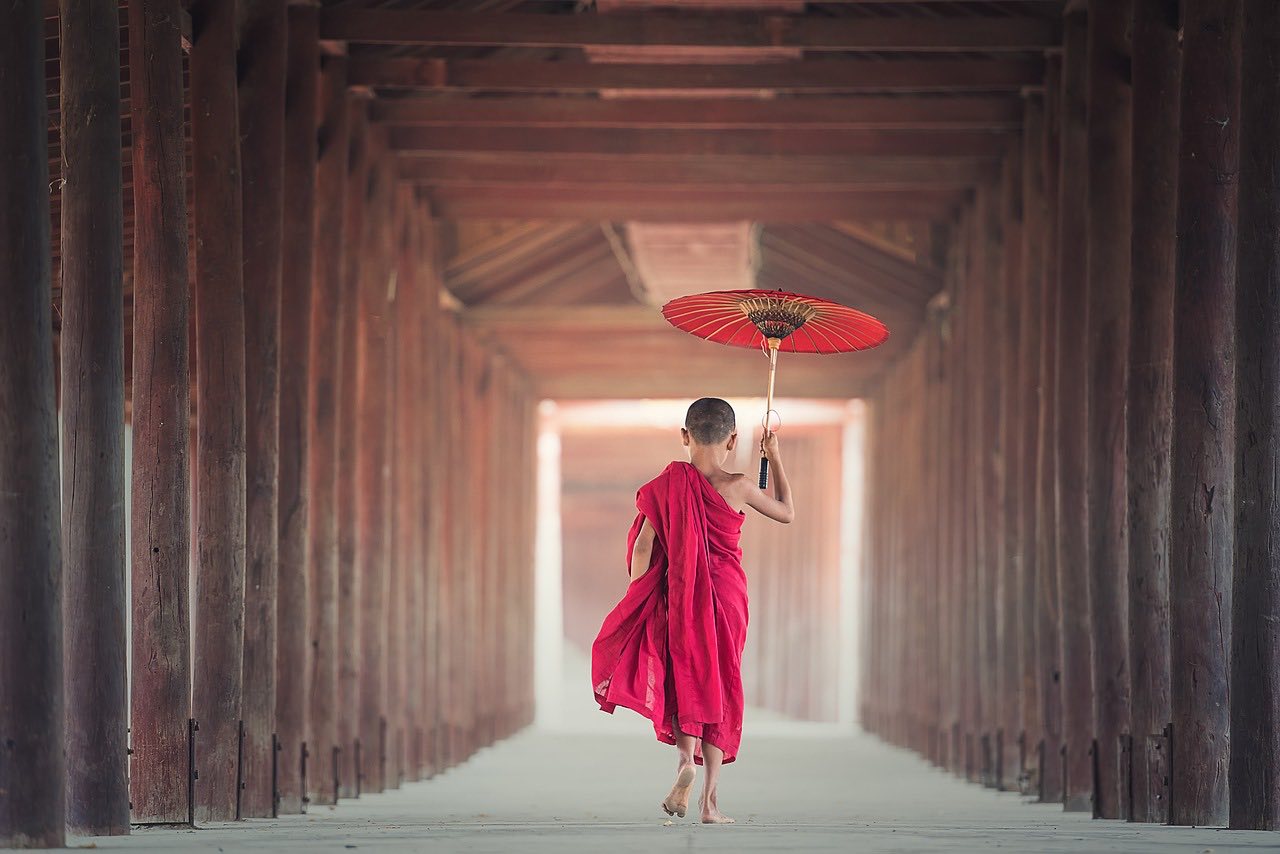
    If you love ancient Buddhist architecture, Bagan is the place to be. At the zenith of its glory, this place had over 11,000 temples and was the Burmese empire’s first capital. There are only just over 2,000 temples left now, but Bagan is still an archaeological marvel. Walk amid breathtaking stupas and pagodas before venturing in to explore the interiors.
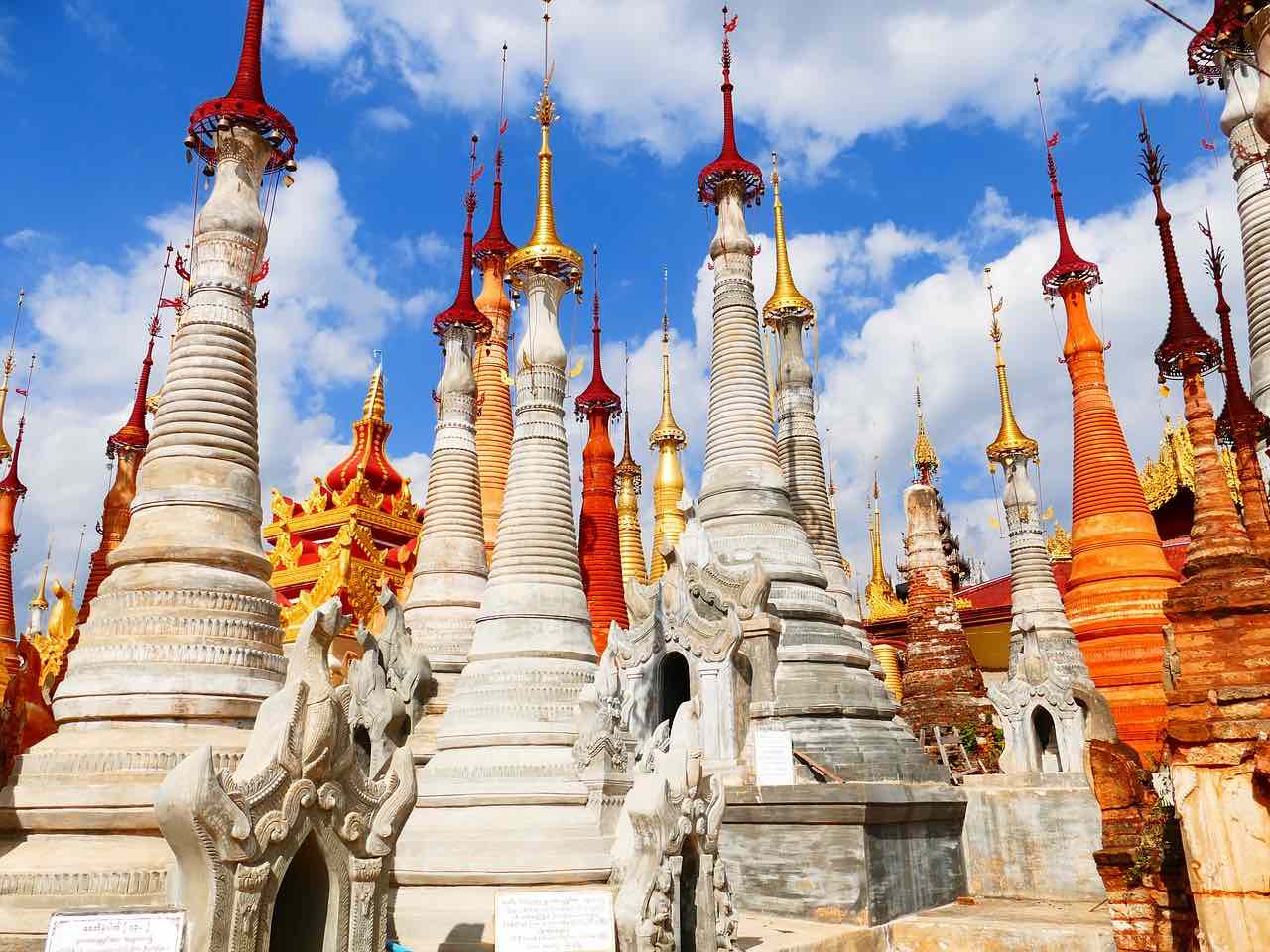
    2. Idyllic monastery at Taung Kalat

    Perched on top of a volcanic peg known as Taung Kalat is an enchanting Buddhist monastery. To reach there you will have to trek through a track that includes 777 steps and is home to numerous inquisitive monkeys. Enjoy an out-of-the worldview from the summit stretching as far as 60km.

    3. The rich pagoda of Yangon

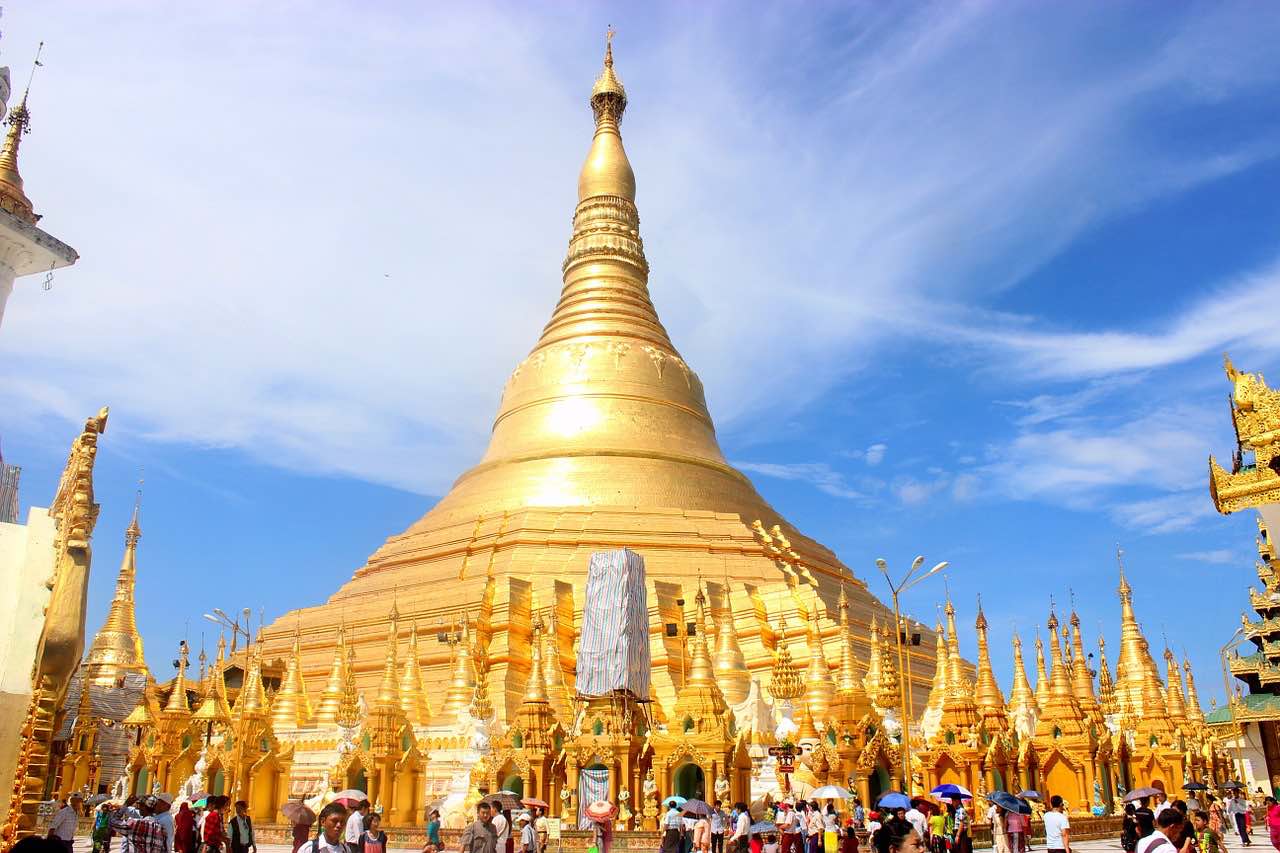
    In Myanmar’s largest city is a sacred Buddhist site, Shwedagon Paya, decked with precious stones and tons of gold leaf. If the spiritual interests you more than the material, there are strands of Buddha’s hair that are believed to have magical properties. Consider carrying your credit card along, so you can shop around the city afterwards.
    4. World’s largest book at Kuthodaw Pagoda

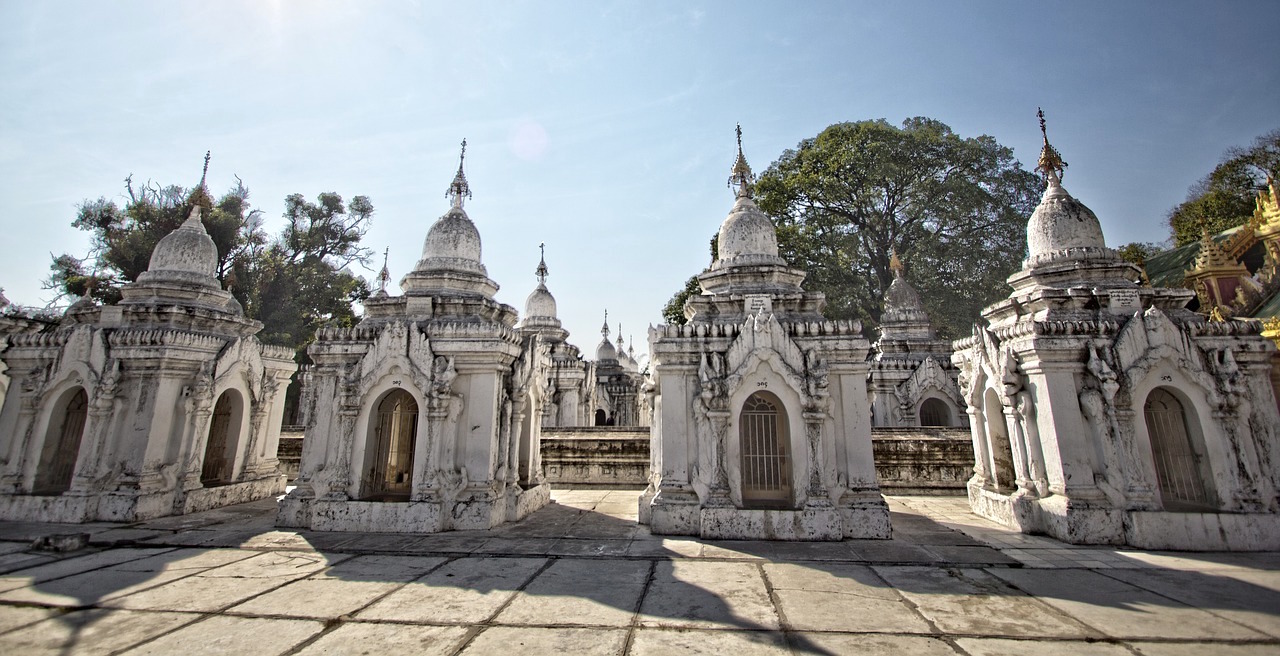
    Built in 1857, the space surrounding the base of this pagoda is home to a collection of 730 five-feet tall tablets inscribed with the religious text of Theravada Buddhism. In its heyday, the tablets were adorned with precious stones and golden ink but these have since been looted. Nevertheless, they still stand testament to a golden era, with messages that will last generations.
    5. Fort-like temples of Mrauk U

    Mrauk U is similar to Bagan, in the sense that it is an archaeological site comprising temples spread across a vast area. However, unlike the brick temples of Bagan, the shrines in Mrauk U are made of solid rock. The best thing about this place? Not as crowded as the others!

    Myanmar Travel Guide – 5 Things to Do When in Myanmar

    Myanmar is not just a country that offers up things and places worth seeing. There is lots to do here as well. You could start with:

    1. Myanmar Travel Guide – Street food in Yangon

    Explore scrumptious street food from the 18th to the 24th street in downtown Yangon, where Myanmar’s popular Chinatown is located. The 19th street is considered its epicentre with stretches of barbecue restaurants and shops that sell local delicacies. This place is also popular for its nightlife.

    2. Myanmar Travel Guide – Rent a bike to explore the country

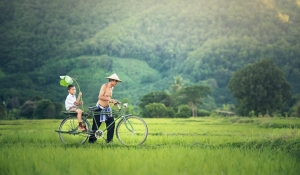
    A great way to access every nook and corner of Myanmar is on a bike. You can rent a motorbike in most major towns and they are not too expensive. You can decide where you want to go and chart out your own route, or there are travel agencies that offer itineraries. Just make sure the bike is in a good condition before renting it.

    3. Myanmar Travel Guide – Float around in a balloon

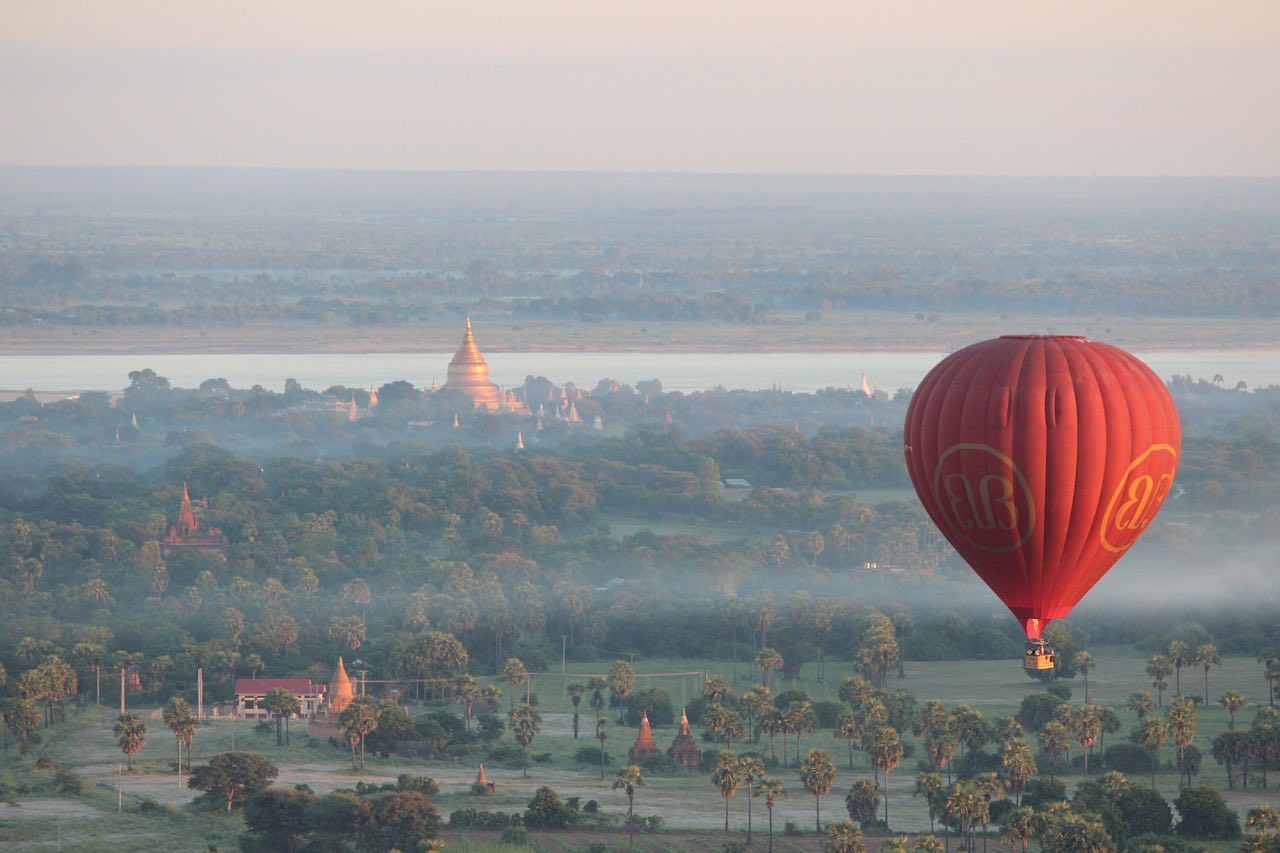
    One of the best ways to get a bird’s-eye view of Bagan and truly appreciate its magnificence is from a hot air balloon. However, this can usually be done only between October and March as that’s when the winds are calm and the weather is comfortable.
    4. Myanmar Travel Guide – Take a trip on the Circular Rail

    Perhaps the best way to see the city of Yangon is on a guided tour aboard the circular train, an old-fashioned rail network that covers the place. Besides providing an up-close-and-personal local experience, the train ride will take you to several suburbs that are less frequented by tourists.

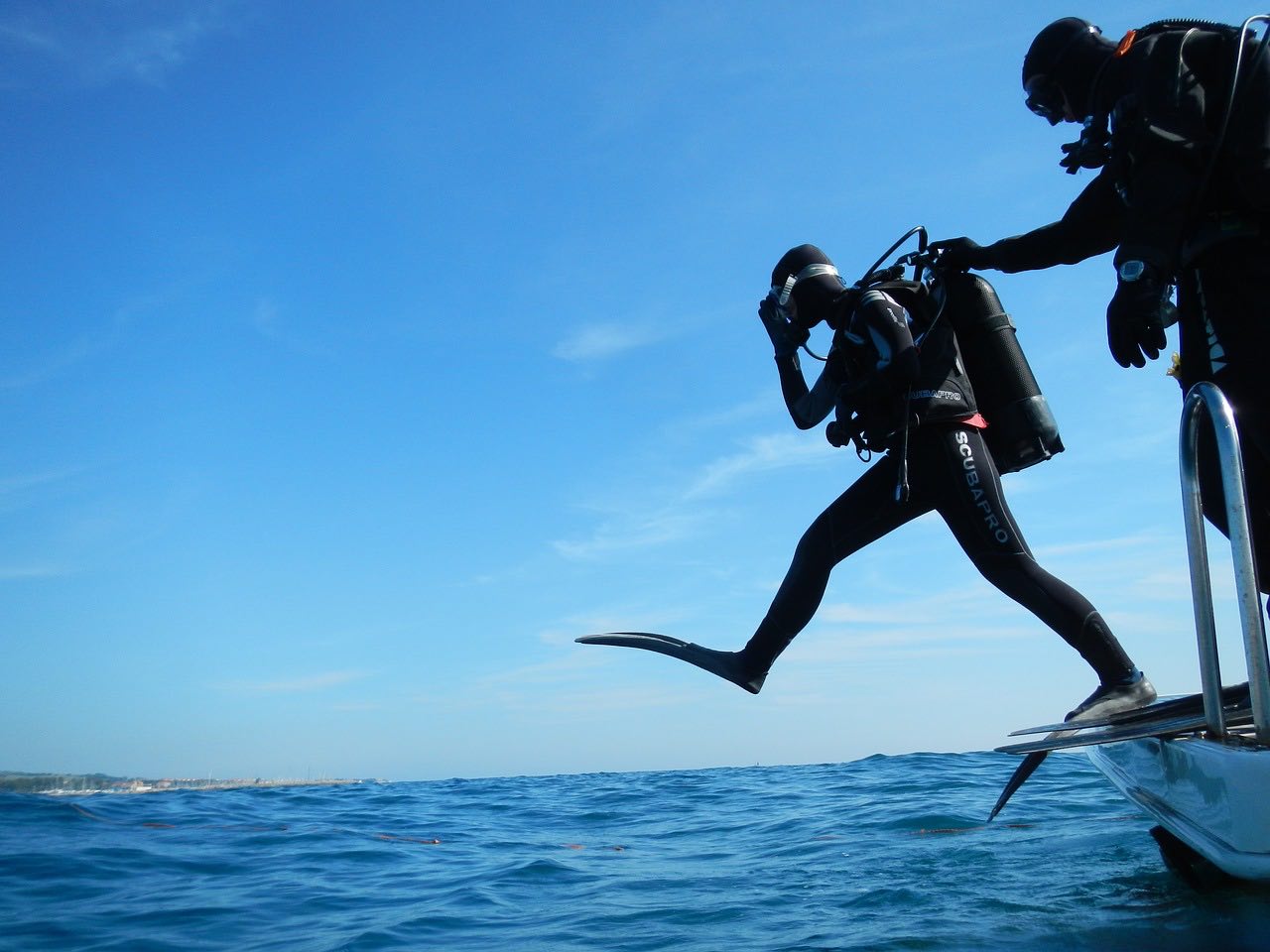
    5. Myanmar Travel Guide – Scuba diving at the Mergui Archipelago

    Located on the southern tip of Myanmar, the Mergui Archipelago is an isolated area with about 800 islands. This place is popular with scuba-diving enthusiasts for its fascinating reefs, varieties of fish and other sea animals. There are several companies that offer diving tours to this part of the country.
    The adventures don’t stop there. Depending on your tastes, Myanmar offers several other great activities for you to choose from. So, book your flights, get set, and go. And, don’t forget your travel credit cards to make the most of your of spends!

    This post was written by BankBazaar.sg.
  • Anantara Angkor Resort – Presidential Suites Inspired By Explorers Of Old

    Anantara Angkor Resort – Presidential Suites Inspired By Explorers Of Old

    Following an extensive renovation that transformed Anantara Angkor Resort into a premier all-suite retreat, the 39-key boutique resort is delighted to unveil Siem Reap’s plushest presidential suites, the Henri Mouhot and Anantara Explorer Suites.

    The two-bedroom, 235 square metre Henri Mouhot Suite pays tribute to the French naturalist and explorer who alerted the West to the ruins of Angkor, capital of the ancient Khmer civilisation of Cambodia, in 1860.  The suite accommodates up to six guests.

    The one-bedroom Anantara Explorer Suite offers 178 square metres of living space inspired by another intrepid explorer, Jim Thompson, and founder of the world-renowned Jim Thompson Thai Silk Company.  The suite accommodates up to three guests.

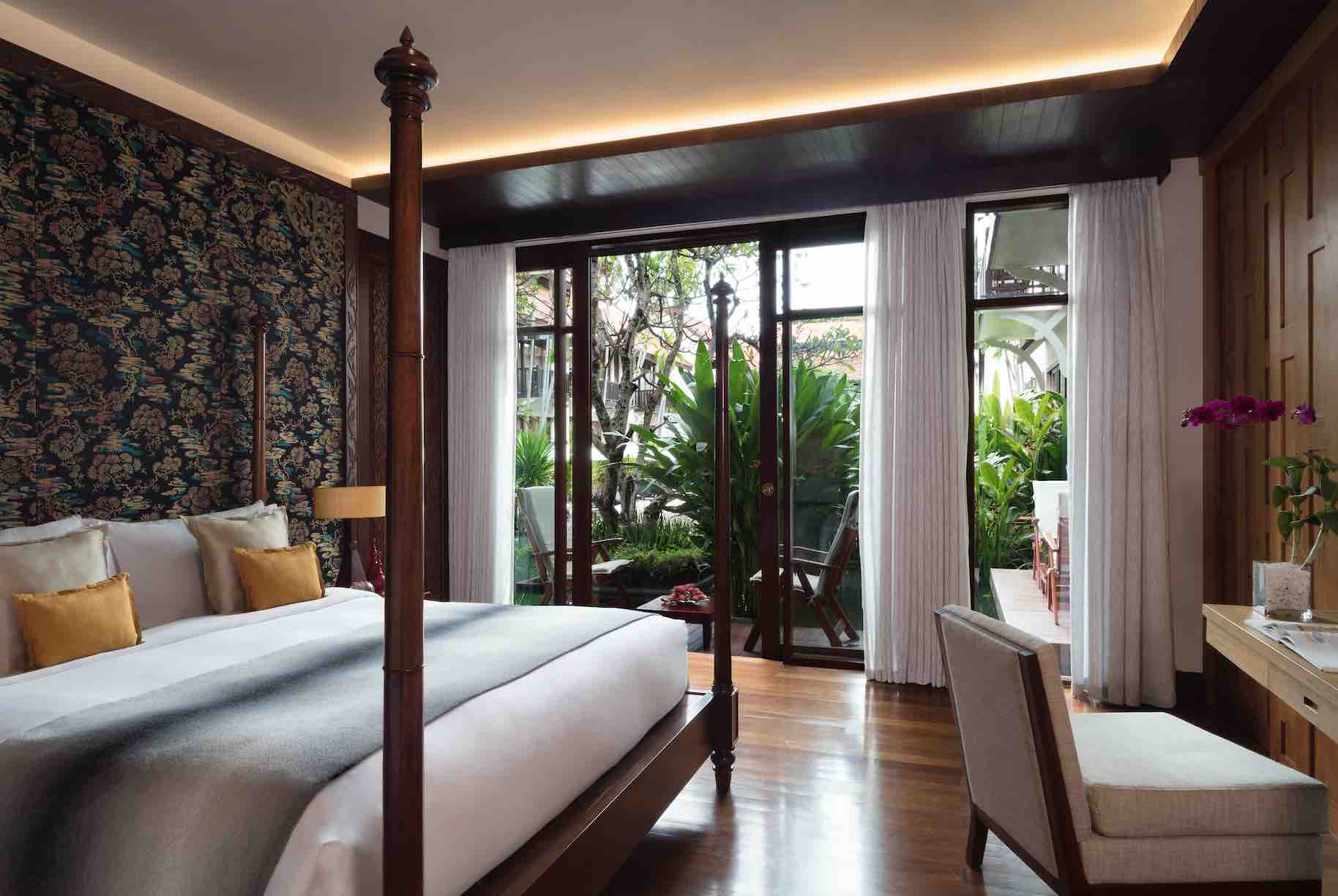
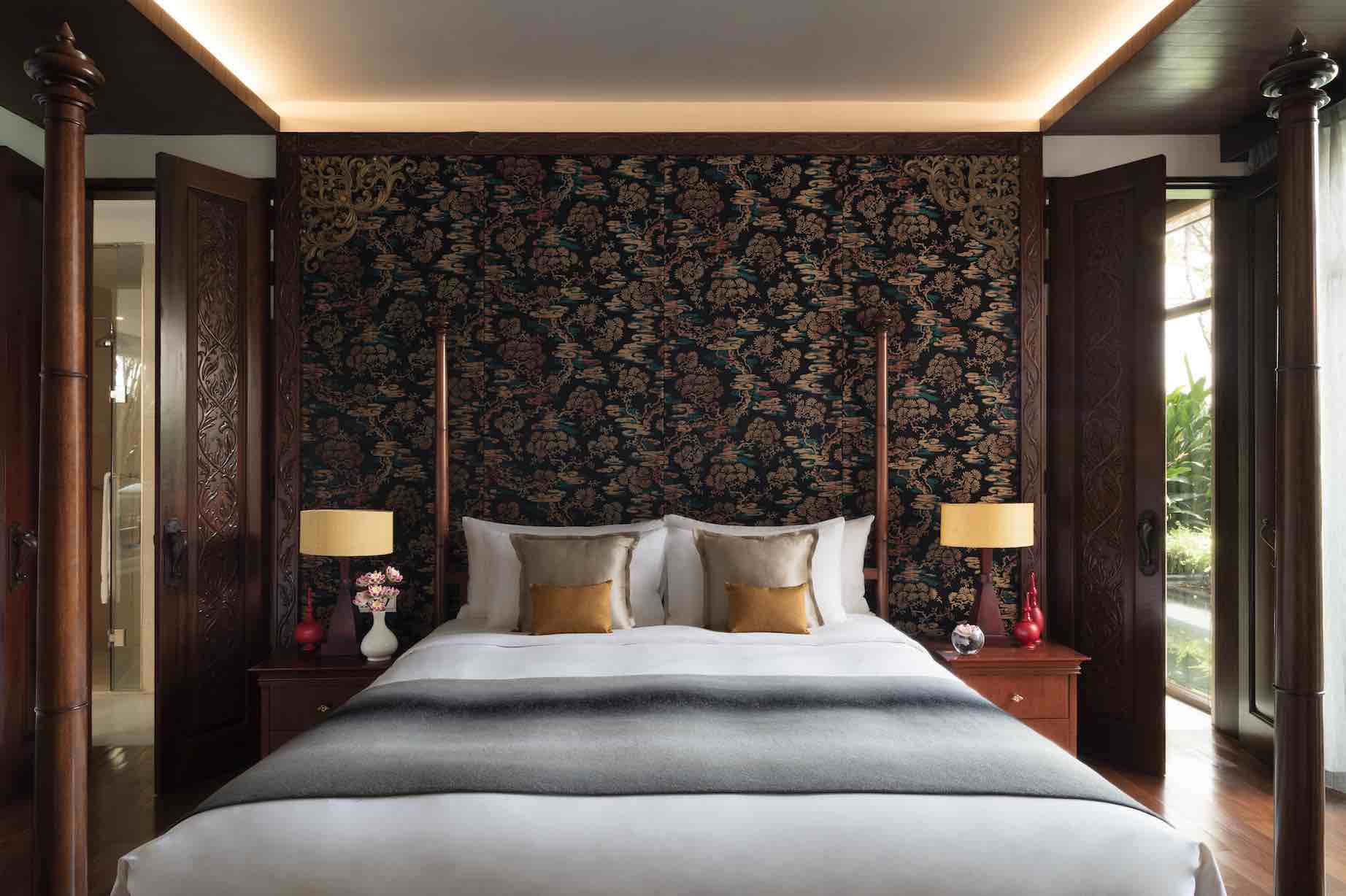
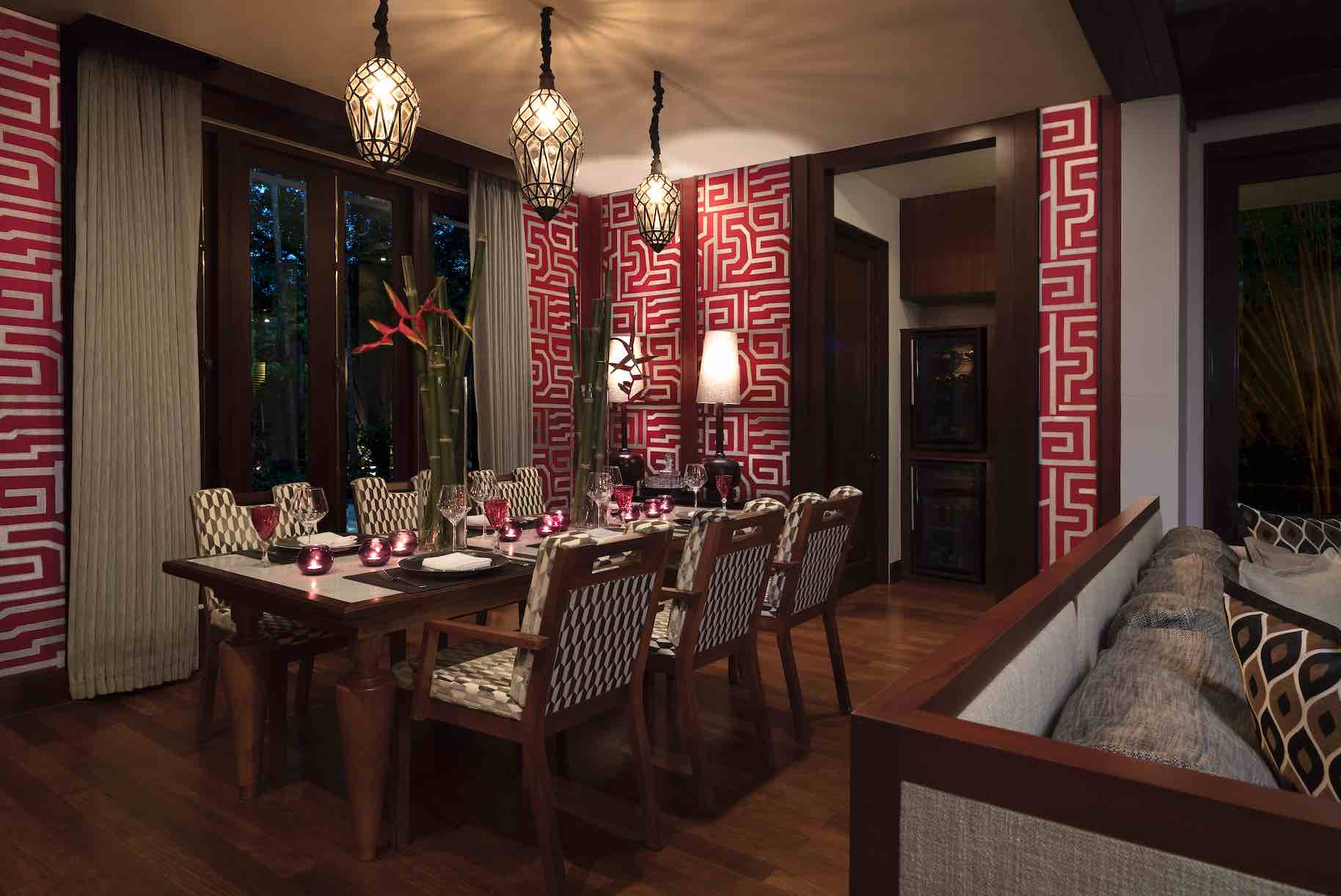
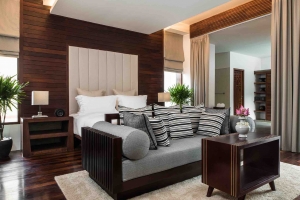
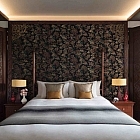
    Meticulously designed to accommodate the requirements of the most discerning clientele, the two new suites are reminiscent of a Khmer summer home and are the epitome of richness and old world sophistication with imported Thai silk and fabrics overflowing throughout, draping the furniture in bold colours and lustrous appeal.

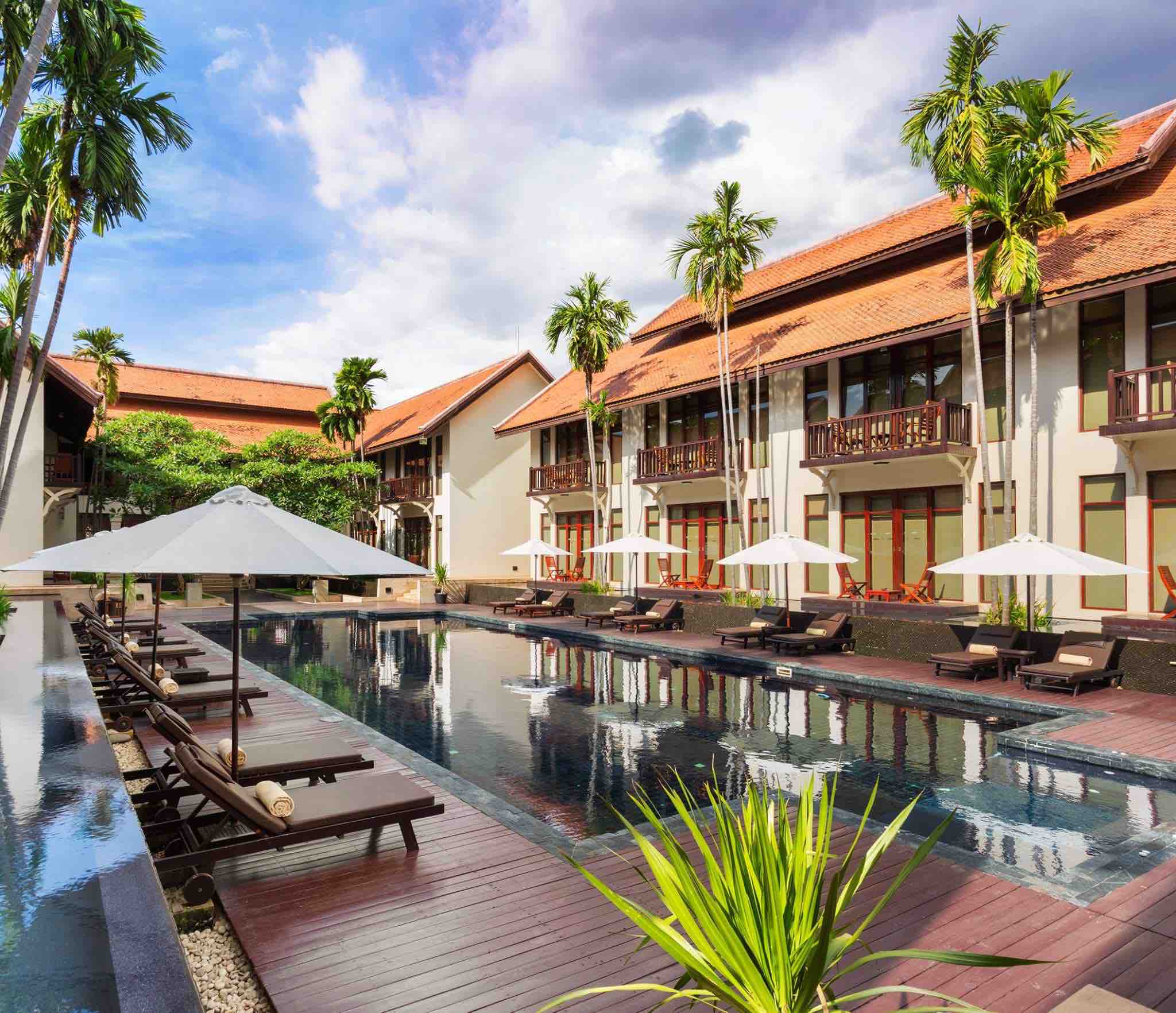
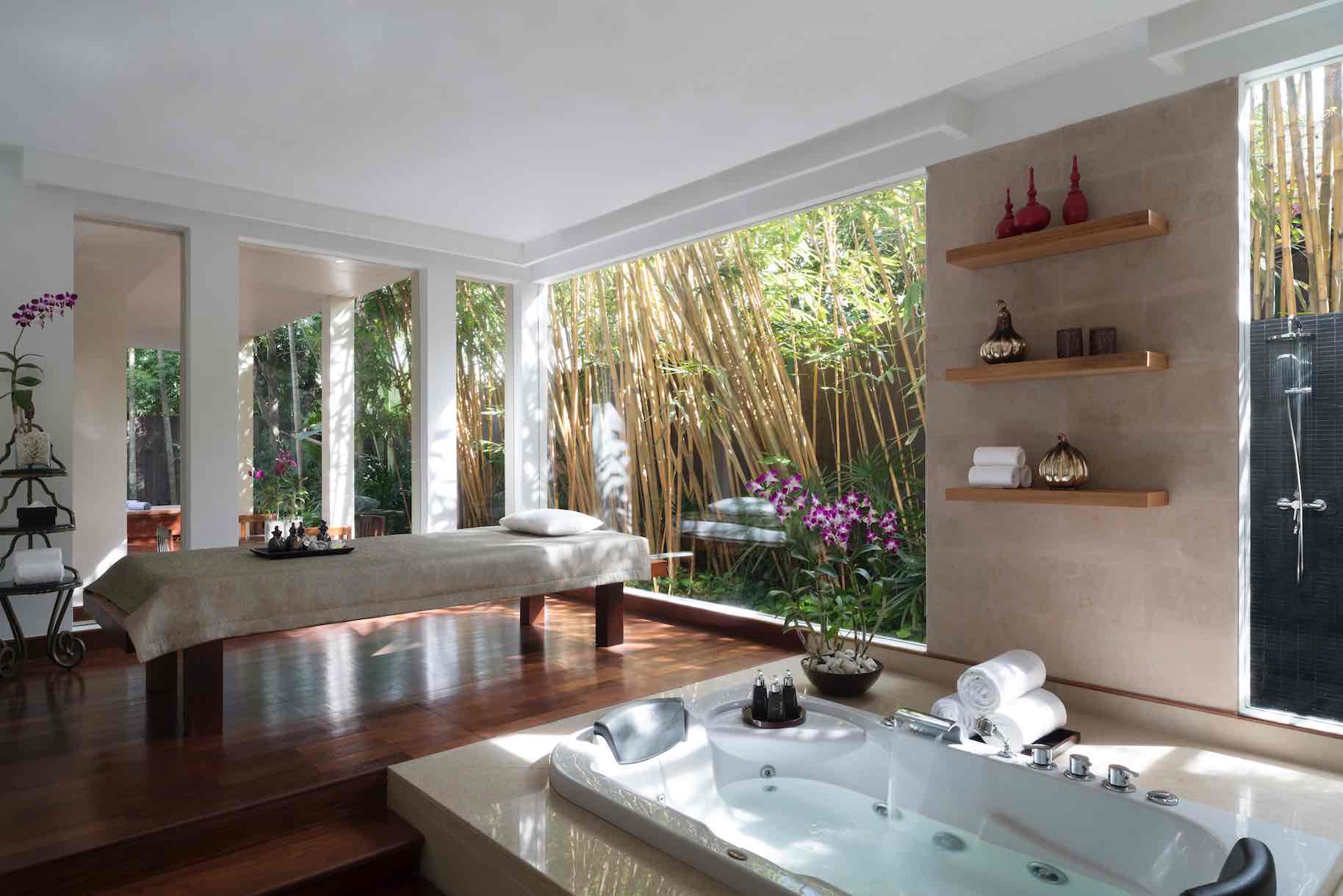
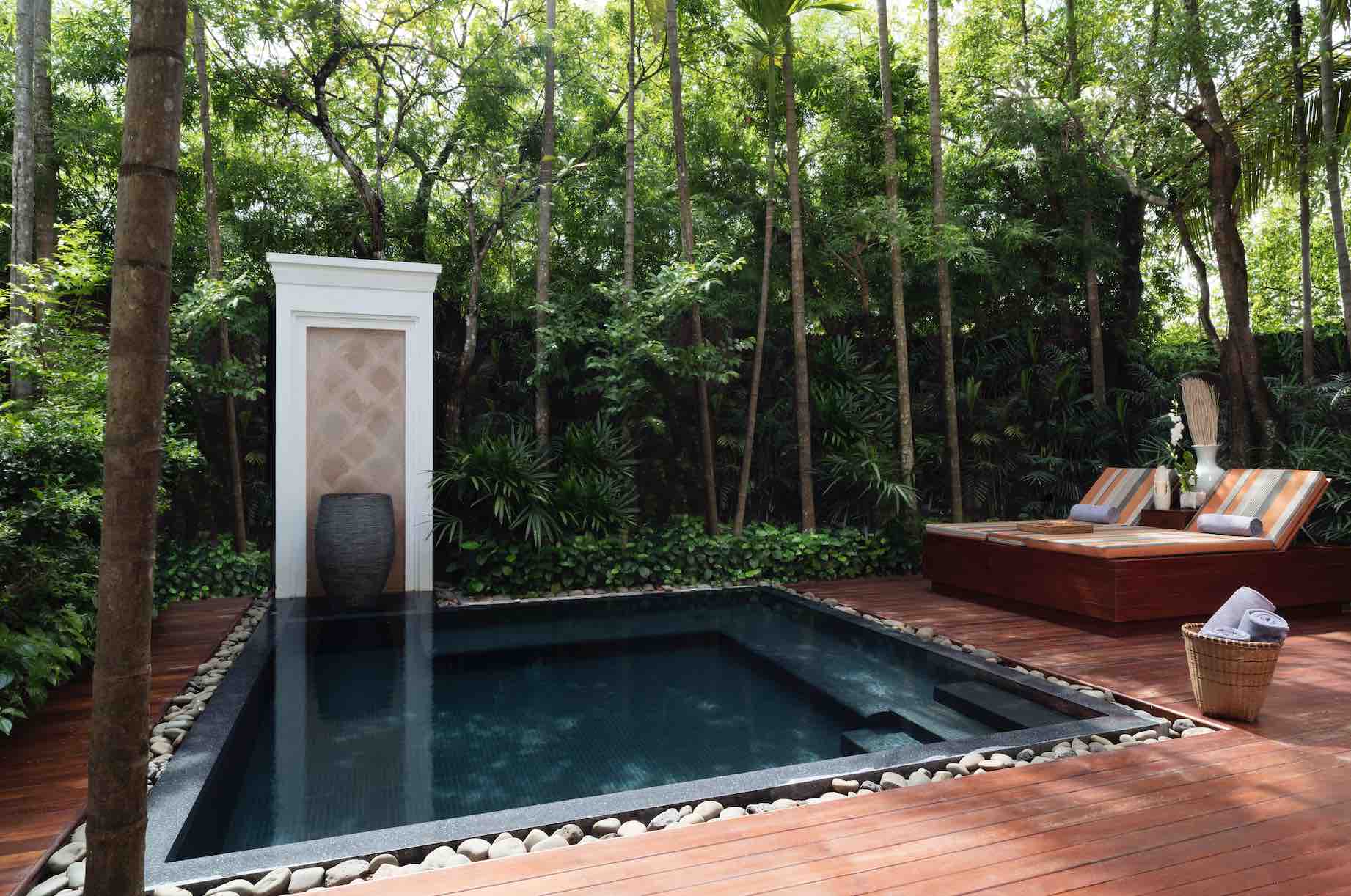
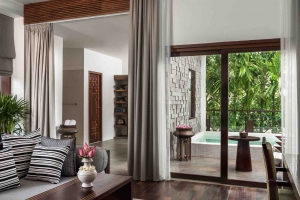
    With ample indoor and outdoor living spaces to comfortably accommodate families or small groups, both suites feature a lounge and bar area complete with a wine humidor; two dining areas; marble bathrooms with double vanity, bathtub and oversized rain shower; dressing room; a private spa room with a Jacuzzi bathtub, deep plunge and massage area; and a plunge pool in an enclosed private garden.

    For Thai designers Abacus Design the glamorised bygone era of exhilarating discovery by Western explorers of the largest religious monument in the world during the nineteenth century inspired both suites’ interiors, abiding by the award-winning designers’ objective to surprise and delight whilst providing convenient functions with the comfort of home.

    In the Henri Mouhot Suite, a beautiful sandstone relief reflects the nearby ruins of Angkor amidst a colonial backdrop of tongue and groove ceilings, while wall panelling with a rectangular motive that is reminiscent of this distinctive feature in the Jim Thompson House in Bangkok separates the master bedroom and lounge in the Anantara Explorer Suite.

    In both suites bold colours and luxurious silk and fabrics from the coveted Jim Thompson’s Leo De Janeiro collection unfold – from the ruby coloured abstract Pomare design on the wall coverings to give the spaces a cosy feel; to the intricate Chinese lacquer coloured Ming Ming decoration on the headboards that mirrors the regal, floral motifs that adorn traditional Asian ceramics for an oriental touch; and seat covers in pewter coloured bold Marquise cut velvet fabric for luxurious eye-catching beauty.

    Each suite’s enclosed lush tropical garden complete with plunge pool, oversized double sun lounge bed and dining table offers a luxurious welcome respite after an adventurous day of exploring one of the most important archaeological sites in Southeast Asia, whether savouring a decadent Champagne high tea or al fresco dining on progressive Khmer cuisine under the stars.

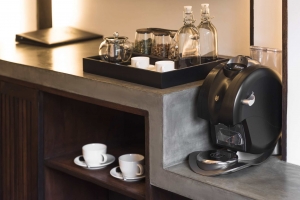
    All guests at Anantara Angkor Resort enjoy complimentary chauffeured roundtrip airport transfers; foot ritual upon arrival; Experience Butler service to create bucket list adventures; unlimited private tuk-tuk transfers to and from city centre; personal mobile phone; complimentary in-suite bar; automatic coffee machine and tea making facilities; bottled water; daily fresh fruit, savouries and sweets; and complimentary drinks during the daily Lounge Hour in the resort’s traditional courtyard that evokes Angkor’s monumental heritage.  Guests residing in the Henri Mouhot and Anantara Explorer Suites additionally enjoy complimentary laundry service; in-suite spa treatments; and a daily hour-long treatment at Anantara Spa.

    Rates for the Henri Mouhot and Anantara Explorer Suites are available on request.  For further information or to make a reservation contact +855 63 966 788 or angkor@anantara.com

  • Jaya House River Park Opens Along Banks Of Siem Reap River, Cambodia

    Jaya House River Park Opens Along Banks Of Siem Reap River, Cambodia

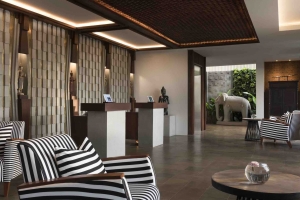
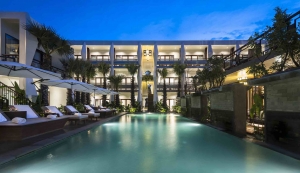
    Nestled serenely alongside the Siem Reap River in a verdant enclave is one of Siem Reap’s newest boutique hotels, the Jaya House River Park. Opened in December 2016, this petite lush haven is located about 20 minutes away from Siem Reap International Airport and a six-minute tuk-tuk journey from town in the direction of the UNESCO World Heritage listed Angkor site.

    With the Ecole Francasi Extreme Orient, the Enkosa Pagoda and the Angkor Conservation Authority in the neighbourhood, Jaya House River Park is shrouded in a definitive sense of heritage and culture.

    ‘Jaya’ is a shortened version of Jayavarman, the 9th-century king who unified the Khmer states into one empire. Designed by V-Design Asia based in Siem Reap, the Jaya House River Park is a modern, luxurious resort integrating Khmer culture and Western design. It’s slightly off the beaten track location ensures a tranquil retreat away from the bustling town yet still readily accessible with the complimentary use of the hotel’s fleet of tuk-tuks or two-wheeled carriages pulled by a motorbike from 4.30 am to 10 pm.

    The Rooms

    There are a total of 36 rooms in this luxury boutique hotel and each of them has either a balcony or direct garden & pool access. Accommodation is categorised according to Deluxe, Junior Suite and Junior Pool Suite.

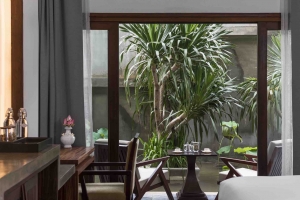
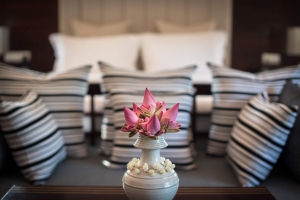
    Each 38sqm Deluxe Room is designed to provide a relaxing space with beautiful views of the pool or the tropical (hanging) gardens. A choice of either one king-sized bed or two queen-sized beds with comfortable pillow-top mattresses, premium bedding and linen awaits.

    A selection of homegrown herbal teas, a Malongo Espresso Machine, Bluetooth connectivity, high-speed wireless internet and a well-stocked complimentary mini bar are for guests’ use. An additional connecting Deluxe Room provides the convenience of a two-bedroom layout for family stays.

    In the spacious Junior Suites, a separate living area adds space and comfort.

    Three of the Junior Suites also come with an outdoor shower while the charming Junior Pool Suites with a private plunge pool are perfect for those seeking their own space.

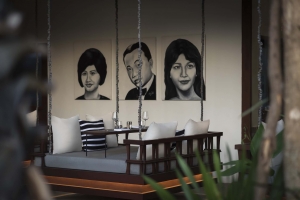
    Pristine white prevails throughout the hotel providing a cool shade from the tropical heat. Contemporary artworks by Khmer artists adorn the interiors reflecting the hotel’s commitment to supporting the local community.

    Dining

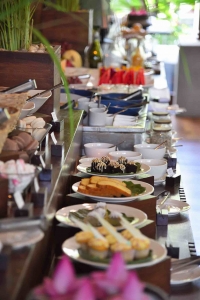
    The all-day dining restaurant serves a wide breakfast buffet with sparkling wine, lunch and dinner with a fine balance of Khmer and western dishes.

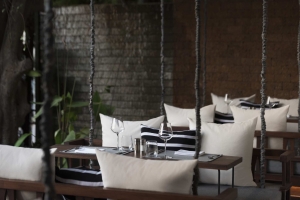
    It seats 40 persons and features six romantic hanging swing seats. Room service is also available. Room service is also available.

    On the top level, a trendy Sky Bar, overlooking the River marks the idyllic spot to shoot the breeze with attractive Happy Hours in the evening.

    The Spa

    The Spa at Jaya House River Park is a hidden gem with a selected list of treatments helmed by well- trained therapists.

    Gorgeous Pools

    Two swimming pools – 20m x 5.5m and 12m x 3.5m – ensure a pleasant respite for guests after a day of temple traipsing.

    The larger one stands in a garden filled with mango trees, banana trees, marum trees, eucalyptus trees and various sugar palm trees amongst others.

    Siem Reap Attractions

    No visit to Siem Reap is complete without a visit to its famous temple ruins and rustic attractions. Guests have a choice of three tours ranging from one day to three days encompassing the must-visit Angkor temples, fishing villages, Tonle Sap Lake, Khmer cooking classes and quaint rural villages.

    Corporate Social Responsibility

    Behind the cool stylish veneer of Jaya House River Park lies a warm and compassionate heart – a strong responsibility towards the Siem Reap community, the Khmer art, culture & music world, its people and the environment. Under the leadership of Managing Director Christian De Boer, the hotel has undertaken several initiatives.

    “We may be a small hotel but our commitment to Siem Reap remains hugely entrenched in the community. We take our role seriously in advancing the livelihood and interests of the people who have suffered heavily under the turbulent Khmer regime. As such, we are also encouraging our guests to join us in our efforts through the projects that we support,” comments Christian De Boer.

    Refill Not Landfill

    It is one of over 40 supporters of the Refill NOT Landfill campaign whose ultimate goal is to substantially reduce the amount of plastic waste produced in the Kingdom by providing reusable aluminium bottles for tourists to consume water from designated water refill stations in the town. At the foot of the most visited Siem Reap attraction, Angkor Wat, this informal consortium has come together to replace one-use-only plastic water bottles with reusable aluminium bottles. All guests at Jaya House River Park are given an aluminium bottle each upon check-in.

    Made-in-Cambodia Market

    Started by Mr De Boer, the Market brings over 50 local artisans and designers together to showcase their products. From alcoholic spirits and jewellery to fabrics and accessories, products are vetted by a committee before being given permission. Together with live entertainment, artist workshops and cafes/bars, the Market offers a convivial, festive atmosphere for visitors, besides providing opportunities for young Cambodians to show off their artistic talents and make a living.

    Ten Thousand Trees

    This is a joint initiative together with Green Gecko Project, Little Red Fox Espresso, KhmerLOVESKhmer and Life Project Cambodia to develop 10,000 marum trees, also known as moringa trees. Considered a ‘miracle tree’, the marum tree is packed with valuable health benefits, an important source of nutrients, especially for low-income villagers. All trees are to be donated free-of-charge but a commitment is required to maintain the saplings and ensure its proper growth. Financed by crowdfunding sum of USD10,000, the project goal is to grow 10,000 trees by 2017.

    Supported NGOS

    In addition, Jaya House River Park also contributes financially with a percentage of each room revenue to the following:

    Small Art School – Founded by Japanese art teacher, Tomoko Kasahara, the Small Art School provides free art education to underprivileged children. Since its founding nine years ago, some 400 children have passed through its doors.

    Cambodian Landmine Museum – Founded by CNN hero, Aki Ra, a veteran soldier, who worked for the United Nations clearing landmines, he embarked on his own mission of clearing landmines with homemade tools and his bare hands. From 1997-2007, he cleared perhaps 50,000 mines and unexploded weapons. Some of these items – all safe – are exhibited at the museum, which tells the story of landmines in Cambodia and around the world through Aki Ra. The museum also houses a Children’s Relief Centre, which is home to over two dozen at-risk children.

    Green Gecko Project – Founded in 2005, the Project provides support and opportunities to Siem Reap’s street kids and their families through long-term health, education and social enterprise initiatives as a means to break the cycle of begging, poverty and abuse.

    Siem Reap’s Music Art School – Set up in September 2013 as a place for the locals to foster their personal growth by developing their artistic skills in art and music.

    For more information and room reservations, visit www.jayahouseriverpark.com

  • Top 9 Tips To Prepare For A Volunteering Trip At Cambodia

    Top 9 Tips To Prepare For A Volunteering Trip At Cambodia

    Volunteering in Cambodia can be an incredible way to truly explore and experience such a majestic destination. Why volunteer in Cambodia? Aside from the untouched beaches and the iconic temples, the country has a painful past. Cambodians are still rebuilding their country and bringing their culture back to life. Over the years, many nonprofits have been working hard to help local communities form sustainable ways for income, growth, education and more. Such nonprofits could benefit from the help of skilled volunteers who are looking to offer their time and knowledge while travelling abroad.

    Over the past couple of years,  my direct work with Cambodian nonprofits and volunteers seeking to assist them has helped me understand that unfortunately not all volunteer nonprofit partnerships are successful, and that are many aspects that must be considered in order to make the time with the nonprofit meaningful, responsible, and sustainable.

    One key conversation that constantly comes up is the preparation period. Many of the nonprofits I have communicated with have shared with me that an especially prepared volunteer often means their time with the nonprofit is more effective since there are fewer surprises and issues to resolve upon arrival. Travellers as well have echoed similar sentiments in explaining that knowing what to expect and being prepared for their time abroad allowed them to hit the ground running and focus on the goals and projects they came to assist.

    This is exactly why I have put together a list of the top 9 tips travellers to Cambodia should consider in preparing for their volunteering trip abroad.

    1. Learn Key Phrases from the Local Language

    In many of the more urban areas of Cambodia, you’ll be able to get by speaking English. Once you leave the cities to volunteer in more rural locations, you’ll need to know some of Khmer, the local language, if you want to communicate. When travelling to new places, it’s always a good idea to memorise a few key phrases so you can ask for directions, buy necessities, and show locals that you’re making an effort to respect their culture. It is a good idea to learn some words and phrases, along with writing them down with their phonetic pronunciation in a notepad to carry around with you.

    2. Choose an Organization to Volunteer with and Communicate with Them in Advance

    There are many nonprofits working throughout Cambodia, and every nonprofit work in a specific field, has a set of goals, and different projects they want to implement. It’s important to take your time as you research organisations and choose one where your personal skills and interests can truly come in handy. It is also important to communicate directly with the nonprofit, ask as many questions as you need, and make sure you understand exactly the work you’ll be doing.

    3. Time Your Trip Well

    Cambodia has a tropical climate, without four seasons. No matter what time of year you visit, you’ll be facing high temperatures. April, May, and June are the hottest months of the year, so if you’ll be volunteering outdoors, you may want to go before or after that time. When planning your trip, keep monsoon season in mind as well. From December to April, Cambodia experiences its rainy season, with slightly cooler temperatures and a lot of rain. January and February tend to be drier.

    Be sure to pack clothing made of breathable fabrics and keep the country’s modest values in mind when choosing what you’ll wear on hot days. I also suggest thinking about the schedule of holidays and festivals in the country. Khmer New Year is a three-day festival in mid-April, the Water Festival takes place in early November, and Pchum Ben is a 15-day celebration from the end of September until mid-October.

    4. Know the Culture

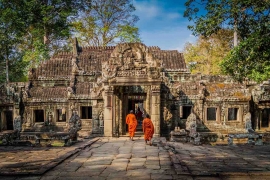
    When you travel to volunteer, you’ll be spending a lot of time communicating with locals. It’s important to know about the culture and to show respect while visiting the country. Modesty in Cambodia is very important, especially in more rural areas and at religious sites like the temples. You’re expected to be covered up, including shoulders and legs. In some locations, you’ll be asked to leave if you aren’t dressed appropriately. Monks are seen as very important symbols in Cambodia and should not be touched, or interrupted while praying. Additionally, it is considered impolite to use your left hand when interacting and that you should never touch another person on the head, which is considered the holiest part of a person.

    5. Get Your Paperwork in Order

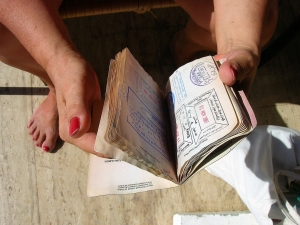
    Make sure you have your paperwork, including documents and visas, in order before heading off. You’ll need both a passport and a visa to visit Cambodia. Your passport should be obtained before leaving the country and should be valid for at least six months after you plan to return, as advised by the government. Most people travelling to Cambodia can purchase a one month visa at the airport upon arrival. If you plan to stay longer, you can have your visa extended at the Immigration Department in the country.

    6. Steer Clear of Cambodian Orphanages

    It is extremely unfortunate to learn that many orphanages worldwide are in reality a front for a money-making scheme, and Cambodian orphanages are no different. Though of course there are some that are entirely legitimate, studies show that over the past five years there has been a 75% increase in the number of orphanages in Cambodia, which in no way correlates with the number of actual orphans. Such orphanages are run like a business, with managers luring in well-intentioned volunteers and pocketing their generous donations to themselves. In order to make sure your time is spent with a responsible organisation, look for projects which promote community-based solutions for children within their community.

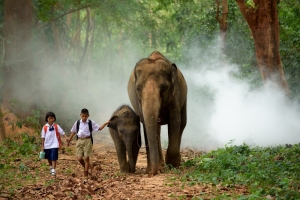
    7. Avoid Elephant Sanctuaries

    Just like fraudulent orphanages, those running elephant sanctuaries are more often than not using the cute factor to lure in tourists with money. Many sanctuaries keep elephants in unsafe environments until they’re paraded throughout town where tourists can pay to take a ride and have their photo taken. Elephant sanctuary owners use an abusive method called phajaan, or crush, to train the animals by essentially crushing their spirits and keeping them isolated for long periods of time. Clearly, the health of the elephants isn’t a top concern, so the animals are often sick and weak. If you’re interested in animals, there are organizations that provide opportunities for animal volunteering in Cambodia.

    8. Understand your Role as a Volunteer with the Organization

    If you choose a reputable organisation, you’ll be able to gather plenty of information about what you’ll be doing while volunteering in Cambodia. Getting in touch with the organisation directly is the best way to prepare for your trip. Ask about what activities you’ll be participating in day to day, what challenges you should expect, and what the goals of the volunteer program are. By gathering this information, you’ll be able to prepare yourself for the trip, set your own goals, decide what to bring along, and make the most of your time spent in Cambodia.

    9. Plan Your Trip Outside of Volunteering

    While you’ll be going on your trip with a plan to volunteer, you’ll have time to explore more of the country, and you should! Cambodia is an incredible country with so much to offer. Plan to tour some of the historic sites with a local guide to show you around. Eat at local restaurants and try as many different dishes as you can. You might even consider a homestay, living with a local family overnight to experience life as a local. Such opportunities are a wonderful way to further explore the country in with a responsible and ethical mindset while making sure your money goes back to the local community, where it is most needed.

    Travelling and Volunteering responsibly means that you’ll need to put some extra time and effort into your travel planning. You’ll need to decide how to use your time effectively, where your energy and resources should go, and how you can immerse yourself fully in the culture. However, all the time spent planning and preparing will be worth it when you arrive ready to go and make a difference.

    Do you have any more tips from your travels to Cambodia? Share them below!

  • 3 Reasons You Will Fall In Love With Cambodia

    3 Reasons You Will Fall In Love With Cambodia

    Cambodia is one of those places you’ve heard so much about but might not have considered visiting. You definitely should, though. This Southeast Asian country will excite you from the moment you set foot on its soil. Don’t be surprised if you find yourself wanting to stay! Below are three reasons you’ll fall so in love with the country that you feel like tearing up that return flight ticket.

    The history and culture

    You can’t get away from Cambodia’s history and the country works hard to honour the memory of those who died during the harsh days of the infamous Khmer Rouge. Around Cambodia you’ll see monuments that remind locals and visitors alike of those dark days as the country gradually rebuilds itself.

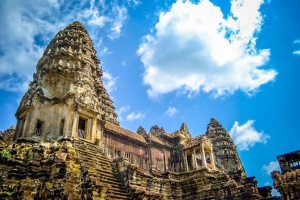
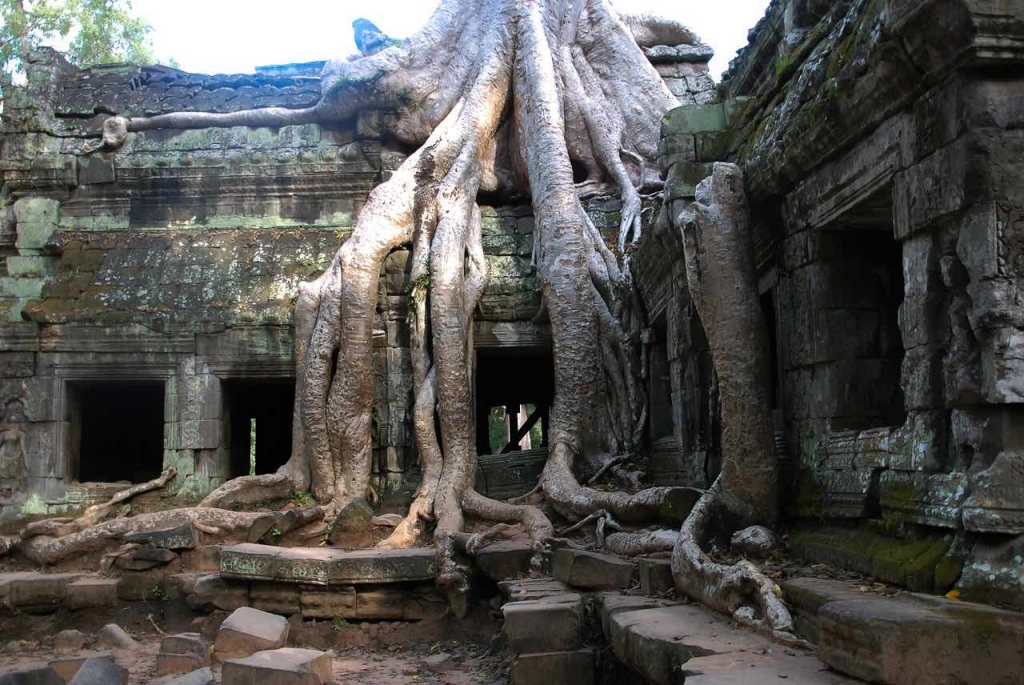
    Then there are more pleasant elements of the culture, such as the Angkor Wat and all the other religious sites and temples around the country. Cambodians are immensely proud of this site and their culture in general. They are keen to share elements such as traditional music, dances and dishes with visitors to the country.

    It’s more than affordable

    Once you arrive you’ll find that it’s incredibly cheap here. Food, drink, accommodation – the lot. A beer can cost as little as 50 cents, which the Cambodians would actually consider expensive. Prices may increase slightly depending on where you go, but you’ll hardly notice the impact on your holiday budget. The affordability of everything in Cambodia makes it easy for visitors to get around and explore. Thailand and Vietnam, which share borders with Cambodia, will seem expensive by comparison. There are plenty of tuk-tuks and motorbike taxis around or you can just walk. If you decide to catch a bus, however, you could end up waiting a long time to reach your destination. Some buses wait until they’re full before departing.

    The varied cuisine

    Cambodia hasn’t attracted as much attention for its cuisine as Thailand or Vietnam have, but that’s part of the beauty. The cuisine is unique and varied, staying true to itself, and offering a range of textures and flavours. Cambodians especially love using herbs and spices in their cooking and are big on changing them in line with the seasons. Rice is a big part of Cambodian cooking as well and you’ll find it in many dishes.

    If you’re a foodie or an extremely adventurous eater, you’ll love Cambodia. A bug or an insect might seem a disgusting thing to eat in Western culture, but here it’s perfectly okay. You’ll come across restaurants and food carts that happily fry worms, spiders, crickets and other insects and offer them up as grub. The Secret Traveller over at 1cover has picked out Cambodian Tarantulas as one of the world’s most challenging foods, so they’re not for the fainthearted!

    Cambodia is a fantastic place. It’s full of history and culture to immerse yourself in and fine food to eat while you’re there. Soak up as much of it as you can for a really superb visit.

  • What You Need To Know To Plan Your Laos Holiday

    What You Need To Know To Plan Your Laos Holiday

    When people think of Asia, they often overlook the country of Laos. This landlocked country remains one of Southeast Asia’s most charming yet elusive destinations. In Laos, Buddhism permeates every facet of life, change comes slowly, and folks bed down early. It makes the perfect getaway to break from office politics or put a pause in a super-packed travel itinerary. Open your heart and allow Lao’s mountains, raw natural beauty and warm hospitality of the Laotians bring you unrivalled peace and serenity. To help you with your trip, we have put together what you need to know to plan your Laos holiday.

    A post shared by Laos Tourism (@laostourism) on

    Getting To Know Laos

    Laos, the only landlocked country in Southeast Asia has its capital in Vientiane. With more than 236,000 square kilometres in area, the country has a population of just under 7 million. After the constitutional monarchy in 1976, Laos is one of the world’s last communist states and also one of the poorest countries in the world, relying heavily on aid.

    Lowland Lao (Lao Loum) comprise approximately 70% of the population while upland Lao (Lao Theung) and highland Lao (Lao Soung) make up roughly 20% and 10% respectively. Chinese and Vietnamese are a small but economically significant portion of the population.

    The national language used is Lao. It is a tonal language that is closely related to the Thai language, although the written scripts differ. English is the most spoken foreign language in the country.

    Similar to its neighbours Thailand, Myanmar and Cambodia, Laos is a predominately a Buddhist country. However, a significant 30% of the population, especially those in the highlands, follow animist beliefs.

    A post shared by Laos Tourism (@laostourism) on

    People & Culture

    Lao people are generally frank and friendly. They treat everyone with kindness and respect and all who reciprocates in return will receive a warm welcome.

    The generally accepted form of greeting among Lao people is the Nop. You can do it by placing your palms together in a praying position at your chest level. Note that your palms should not be touching your body. The higher the position of your hands, the greater the sign of respect for the recipient. However, your hands should not be held above the level of the nose. The nop is accompanied by a slight bow to show respect to persons of higher status and age. The nop is also used as an expression of thanks, regrets or simply saying goodbye. With foreigners, Laotians are generally ok to just shake hands.

    A post shared by Laos Tourism (@laostourism) on

    The feet is considered the inferior part of the body (spiritually as well as physically). Hence, you must never touch or point to another person or object with your foot.

    Best Time To Visit

    For the most part of the year, you should be expecting hot and humid weather. Laos enjoys a tropical climate with two distinct seasons. The rainy season starts from May and ends off during September while the dry season takes over from October to April.

    If you are thinking of heading to Lowland Laos, November to January would be your best time to visit. This period is when the daytime temperatures are comfortably warm, evenings are slightly chilly and the countryside is green and lush after the rains. However, you should also note that at higher elevations temperatures are significantly cooler and can sometimes dropping to freezing point. In February, the temperatures start to climb. By April and May, the temperature will peak at a maximum of 38 degrees Celsius making the lowlands unbearably hot and humid.

    A post shared by Laos Tourism (@laostourism) on

    The highlands are, for the most part as hot as the lowlands. There are however spots such as Paksong on the Bolaven Plateau that enjoy a temperate climate year-round. Due to slash-and-burn agriculture, much of the north, including Luang Prabang, gets shrouded in smoke from March until the beginning of the monsoon, which is bad for your health and seriously affects your photography if that is your main focus.

    The rainy season (May – September) have the tendency to make Laos’s unpaved roads almost impassable after the rains begin. However, they also allow rivers to rise to a level that makes boat transportation possible.

    A post shared by 청춘예찬 (@youth_yechan) on

    In its Capital – Vientiane, a minimum temperature of 19 degrees celsius is to be expected during January. In mountainous areas, however, the temperature drops to as low as 14-15 degrees celsius during the winter months, and during cold nights, it can easily reach the freezing point.

    A post shared by Ryan Lewis (@ryanl30) on

    Entry Into The Country 

    Unless you hold a passport from Japan or one of the ASEAN member states, you’ll need a visa to enter Laos. The good news is that you probably won’t need to arrange it in advance; thirty-day visas are now available on arrival at most international borders. Note that all visitors must hold a passport that is valid for at least six months from the time of entry into Laos.

    Visas on arrival take just a few minutes to process, cost around $35, and are available to passengers flying into Luang Prabang Airport, Pakse Airport and Wattay Airport in Vientiane.

    A post shared by Laos Tourism (@laostourism) on

    Extending Your Stay

    Visa extensions are fairly easy to obtain. However, you will need to plan ahead to avoid overstaying your visa as there is currently a $10 penalty for each extra day you spend in the country. The cheapest option is to visit the immigration office on Hatsady Road in Vientiane before your visa expires. Here, visa extensions are issued at the cost of $2 per day and the maximum length of an extension is fifteen days.

    Alternatively, you can also choose to leave the country and enter again (which might work out cheaper if you’re planning to extend by twenty days or more) or pay a local travel agent to arrange the visa extension for you. Generally, this is more expensive, with most vendors charging around $4 per extra day required. Thirty-day business visas that have the potential to be extended can also be arranged in advance at the Lao embassies and consulates listed below.

    A post shared by Laos Tourism (@laostourism) on

    Currency & Exchange

    The Kip is the official currency of the Lao PDR and the following banknotes are currently in circulation: 500; 1,000; 2,000; 5,000; 10,000; 20,000, 50,000 and 100,000 Kip.

    The best currencies to use when exchanging money are: US Dollars, Euros and Thai Baht. You can exchange your currency at the bank, airport, or at a foreign currency exchange office.

    A post shared by 0704 (@silhouette0704) on

    We hope you will enjoy your stay in this wonderful country! Do share with us your experience in the comments section below too!