Category: Japan

  • Japan Vs Korea Vs Bali: Which Asia Trip Is Right For You?

    Japan Vs Korea Vs Bali: Which Asia Trip Is Right For You?

    Planning an Asia trip from Singapore often comes down to three popular choices — Japan, South Korea, or Bali. For travellers looking to simplify planning and compare options efficiently, exploring curated itineraries through Tailwinds Travels can help make the decision much easier.

    Each offers a completely different experience, and choosing the right one depends on what kind of traveller you are.

    If you’re unsure where to go, this simple comparison will help you decide based on your travel style, budget, and expectations.

    🇯🇵 Japan: Culture, Cleanliness & Unique Experiences


    Japan is ideal for travellers who appreciate structure, culture, and precision.

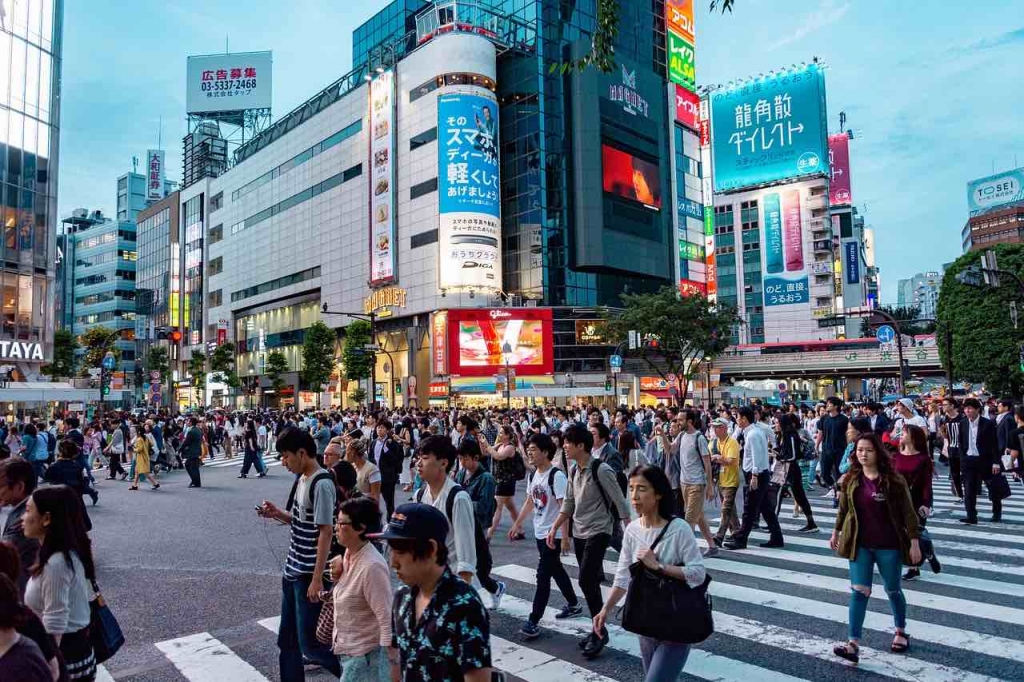
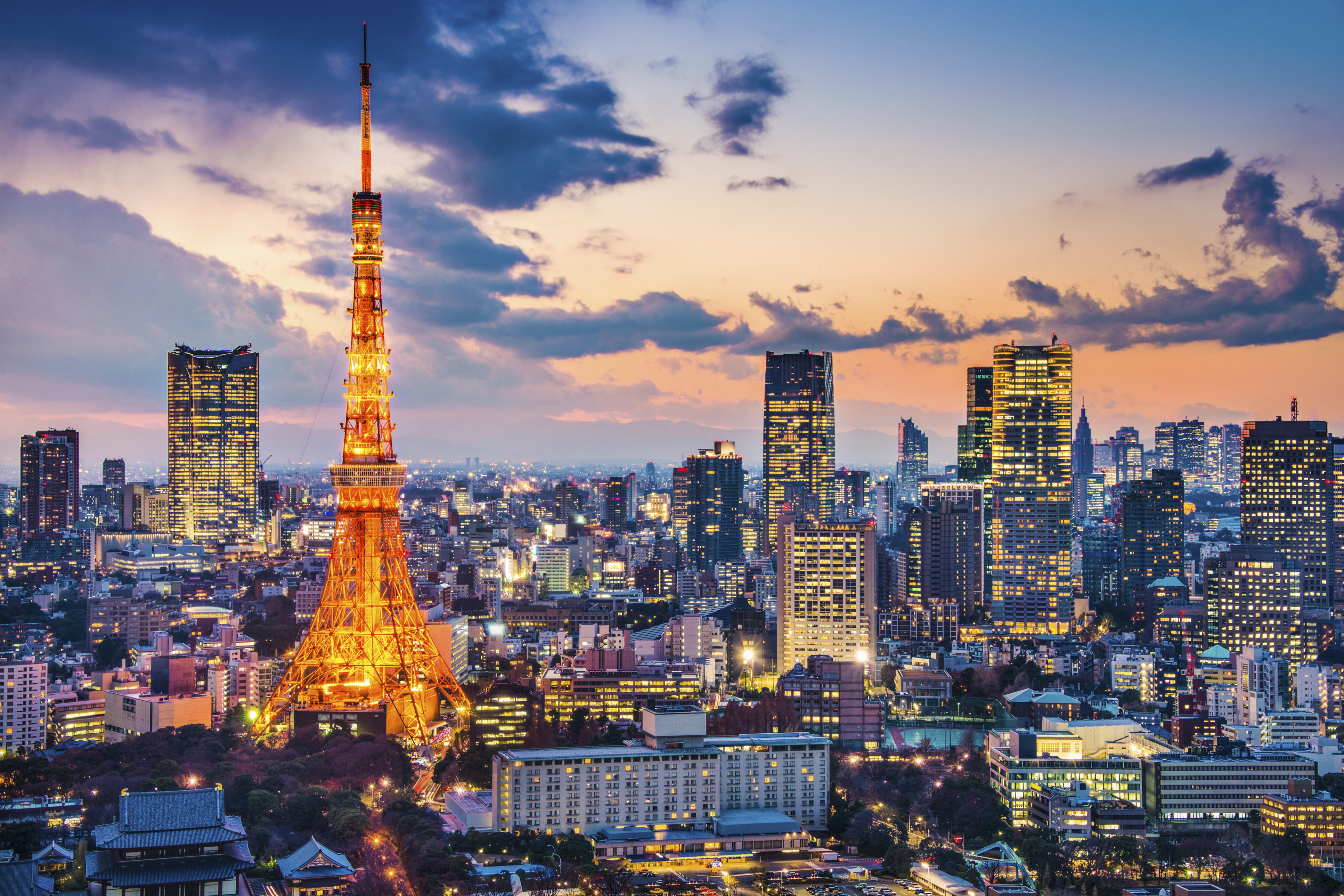
    From the fast-paced streets of Tokyo to the calm temples of Kyoto, Japan offers a mix of modern innovation and deep-rooted tradition.

    Best for:

    • First-time international travellers
    • Food lovers (sushi, ramen, street food)
    • Clean and organized travel experiences

    Things to consider:

    • Slightly higher cost compared to other Asia destinations
    • Requires proper itinerary planning due to transport system

    🇰🇷 South Korea: Trendy, Vibrant & Easy to Explore

    South Korea is perfect if you enjoy a mix of modern lifestyle and cultural experiences.

    Seoul is energetic and trendy, while places like Busan offer coastal charm.

    Best for:

    • K-culture lovers (K-pop, K-drama, fashion)
    • Shopping and café culture
    • Short, well-balanced trips

    Things to consider:

    • Language can be a slight barrier outside major areas
    • Travel is easier but still benefits from planning

    🌴 Bali: Relaxation, Nature & Affordable Luxury

    Bali is a go-to destination for relaxation and nature.

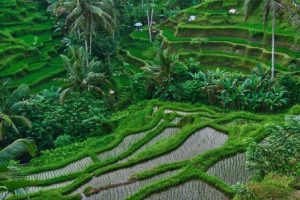
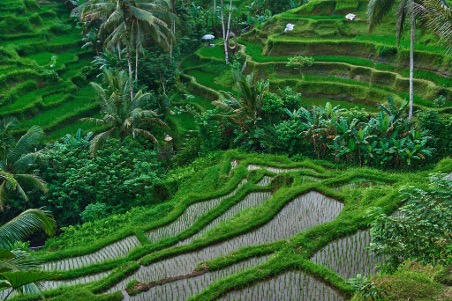
    Whether it’s beach clubs, villas, or scenic rice terraces, Bali offers a more laid-back travel experience compared to Japan and Korea.

    Best for:

    • Honeymooners and couples
    • Relaxation and wellness
    • Budget-friendly luxury experiences

    Things to consider:

    • Traffic and travel time between locations
    • Planning helps optimize your stay

    💡 So, Which One Should You Choose?

    👉 Choose Japan if you want a structured, culturally rich experience
    👉 Choose Korea if you want trendy city life with culture
    👉 Choose Bali if you want relaxation and a slower pace

    Each destination offers something unique — there’s no “best,” only what suits your travel style.

    ✈️ Final Thoughts

    Planning an Asia trip becomes much easier when you know what kind of experience you’re looking for.

    For travellers who prefer a smoother and more personalized approach, exploring options through Tailwinds Travels can help simplify planning while ensuring a well-structured itinerary.

    Many also choose curated asia travel packages from singapore to save time and avoid common travel mistakes.

  • 13 Basic Japanese Phrases To Learn Before Visiting The Country

    13 Basic Japanese Phrases To Learn Before Visiting The Country

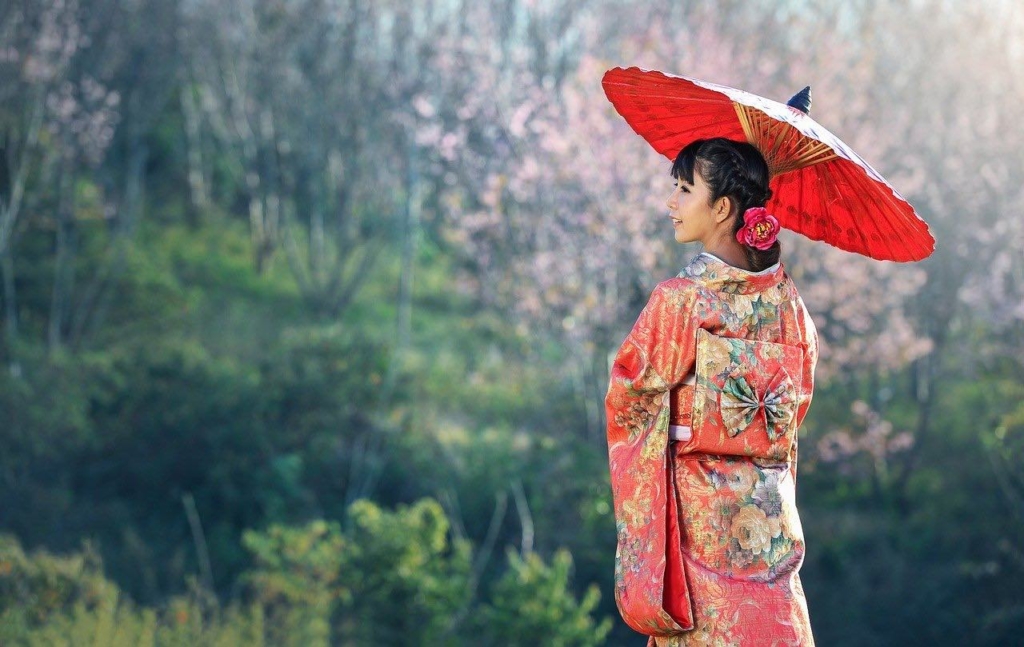
    Of all the countries in the world, you’ll only get to see heroic samurais, beautiful Geishas, Kabuki theaters, or Zen philosophers in the Land of the Rising Sun – Japan. It’s a place where there’s always striking art, tranquil gardens, and, of course, a fascinating culture where everything implies and signifies, and less is considered more. For these reasons, Japan may be on every traveler’s bucket list. Aside from the culture and sights, the food is to die for. The Japanese people love to bond over food, and you might even meet someone who’ll give you the rundown on the best ramen in Tokyo.  

    When you meet some friendly Japanese, and there are plenty of them, keep the connection by sending them something from your homeland. That’s why you need to learn how to write addresses in Japanese. Writing them in the correct format will ensure that your friend will receive whatever you send, whether a postcard or a box of goodies.

    Those are Japanese traditions and so many more that distinguish Japan from other countries. As a result, some non-Japanese individuals worldwide have chosen to incorporate those traditions into their life. Others have chosen to learn Japanese online to visit the country and experience its distinctiveness for themselves. While other opted to hire a Japanese english translation service for fast and effective learning and adaptation of their native language.

    With that in mind, are you planning a trip to Japan but are concerned about the language barrier? You don’t have to, though! It is pretty simple to learn a few and useful Japanese words before your trip. For easy reference, here’s a list of the most frequently used Japanese phrases, so you won’t have to surf online for titbits.

    Hello: Konnichiwa  こんにちは

    You presumably already know how to say ‘hello’ in Japanese, but if not, this is one of the simplest terms to learn before visiting Japan! 

    ‘Konnichiwa’ can be used to say hello or to greet someone. This phrase can be used in both formal and informal settings. You can say it when you meet an old acquaintance or begin a session with your students. Although ‘Konnichiwa’ is technically only used in the daytime, there are alternative terms for good morning and good night:

    • Good morning: Ohayou Gozaimasu おはようございます
    • Good evening: Konbanwa こんばんは

    Excuse Me: Sumimasen すみません 

    There are two instances where you can use the phrase ‘Sumimasen.’ Firstly, if you want to get someone’s attention, you can use it. For example, if you’re asking a stranger for directions, just say ‘Sumimasen’ before throwing your question.

    The second instance where you can use the phrase is when you want to apologize. If you accidentally bumped into someone, you can say ‘Sumimasen.’

    Uttering this phrase in the right situation will show respect for the Japanese people and their ways. Incidentally, you might notice that they show uncommon respect to the elderly, persons in authority, and strangers. 

    Thank You: Arigatou Gozaimasu ありがとうございます 

    If a stranger just offered you recommendations or you want to thank a waitress, you can simply say ‘Arigatou Gozaimasu,’ which translates to ‘Thank you.’ You may want to keep this in mind because people in Japan’s service industry are always kind and deserving of a thank you. It’s essential to note that this phrase is used formally, but adding the word ‘Domo’ before it makes it sound a little casual.

    I’m Sorry: Gomen Nasai ごめんなさい 

    While ‘Surimasen’ is already a phrase that means you’re apologizing in Japanese, ‘Gomen Nasai’ is another phrase you can say when you badly want to apologize for something. People in Japan often use this while bowing to show their sincerest apologies. So, when you spilled a hot coffee on someone or stepped over their toe, you’ll know what to say.

    Excuse Me, Do You Speak English?: Sumimasen, Ei-go Wakarimasu ka? すみません、英語分かりますか? 

    Since you’re not a native Japanese speaker, you’ll have to rely on your English-speaking skills to converse with Japanese people. So, for you to know if someone speaks in English, you can say ‘Sumimasen, Ei-go Wakarimasu ka?’  

    Moreover, ‘Ei-go’ is the Japanese term of English. So if you want to ask if they speak another language, you’ll need to use another term.

    This phrase will be precious since you don’t want to get lost in translation. You might not know this, but a third of the Japanese population can speak and understand English.  

    I Don’t Understand: Wakarimasen わかりません

    When you’re in the middle of touring the beautiful country of Japan, there’ll surely be a time where you’re confused with what someone is saying. Therefore, saying ‘Wakarimasen’ will be handy so they’ll know you don’t speak their language.

    Yes: Hai はい

    When someone’s telling you something, and you agree with it, you may say ‘Hai.’ It simply means yes. But if you don’t agree or want to say no to someone, ‘iie’ or いいえ is the proper response.   

    Moreover, ‘Hai’ can also mean you understand what someone is saying. 

    Welcome: Irasshaimase いらっしゃいませ 

    ‘Irasshaimase’ is a phrase you’d often hear when you enter a restaurant or visit a friend’s home in Japan; this simply means welcome! Likewise, if you want to greet your relatives or someone else when they visit your place, you may say this phrase.

    Please: Onegai Shimas おねがいします

    When you’re asking someone for something, saying ‘Onegai shimas’ would mean that you’re being polite. For instance, you may use this phrase whenever you’re buying at a store or requesting something from someone.

    How Are You?: O genki desu ka? お元気ですか

    ‘O genki desu ka?’ is a common phrase you’ll hear on any friendly encounter in Japan. Whenever you start a conversation with some Japanese locals, it’ll be an ice-breaker if you ask them how they’re doing first.

    Goodbye: Sayonara さようなら

    When you say ‘Sayonara,’ it means you know that you might not be meeting with that person again. But when you know you’ll still be seeing the same person again, you can say ‘Ja Matane’ or じゃあまたね, which means ‘see you later.’

    I’m Fine: Daijyoubu Desu だいじょうぶです 

    Saying ‘Daijyoubu Desu’ is a phrase to be used when you’re declining an offer. For example, if you’re dining in a Japanese restaurant and a waiter offers to pour you a drink, you may politely say no by saying this phrase as it simply means you’re fine.  

    I Like You/This/It: Suki Desu すきです

    Suki is the Japanese word for ‘like.’ By saying ‘Suki Desu,’ you’re expressing what you like without having to mention the object or person you’re admiring. This term will be handy if you don’t know the Japanese word of something.  

    Moreover, there might come a time where you don’t like something. As this might sound offensive or negative to the other person, you can still express yourself more gently – by saying ‘Suki Jyanai Desu.’

    Final Thoughts

    Those are just thirteen of the most common Japanese phrases that’ll come in handy when you visit the country; there are still more to know! Even so, at least you get to learn the basic phrases you need in Japan as well as how to use them in the proper context. That said, best wishes on your journey to learning Japanese and visiting the country itself!

  • Tom Aikens Opened The Jade Room & Garden Terrace, Tokyo EDITION, Toranomon

    Tom Aikens Opened The Jade Room & Garden Terrace, Tokyo EDITION, Toranomon

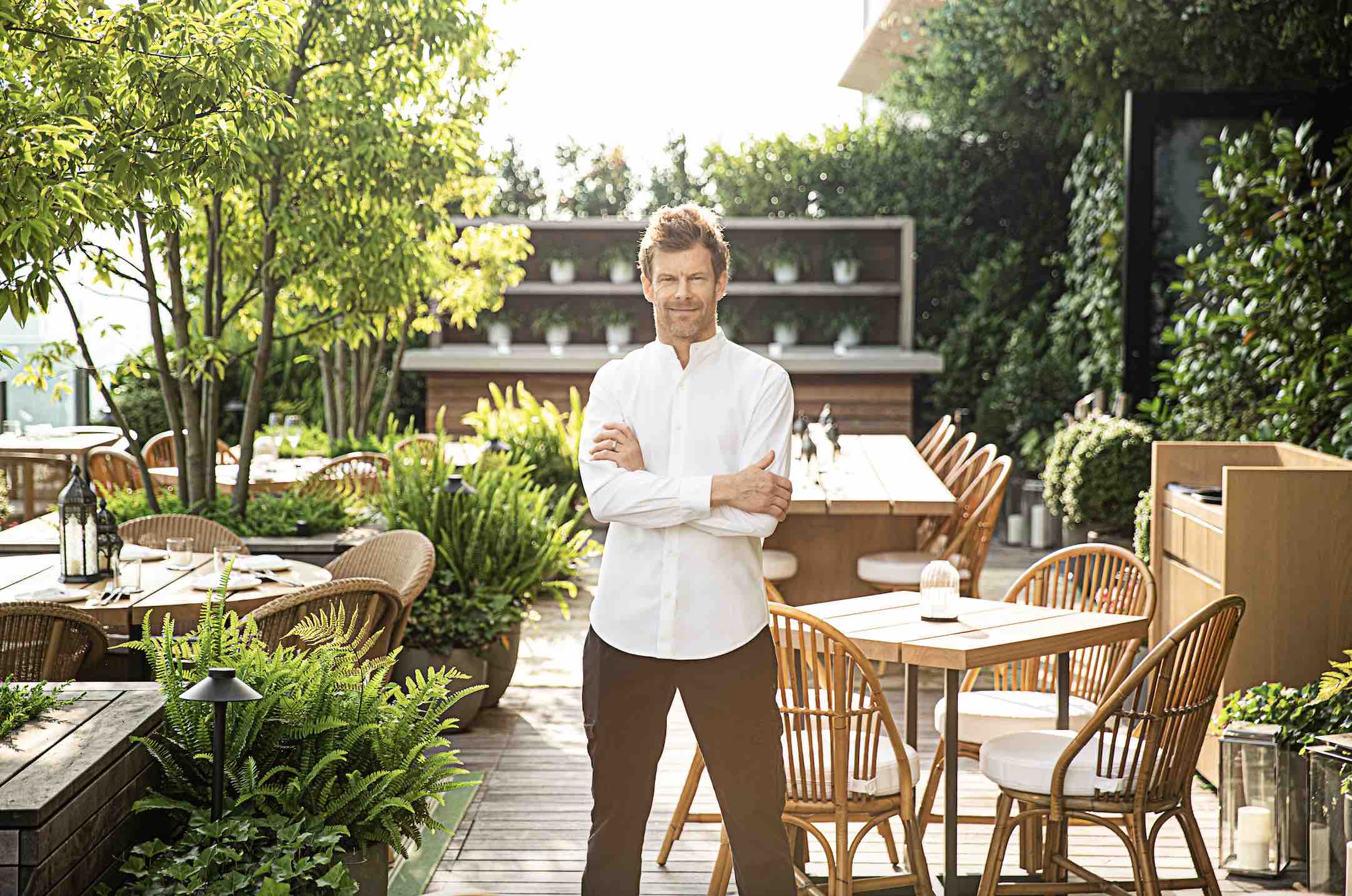
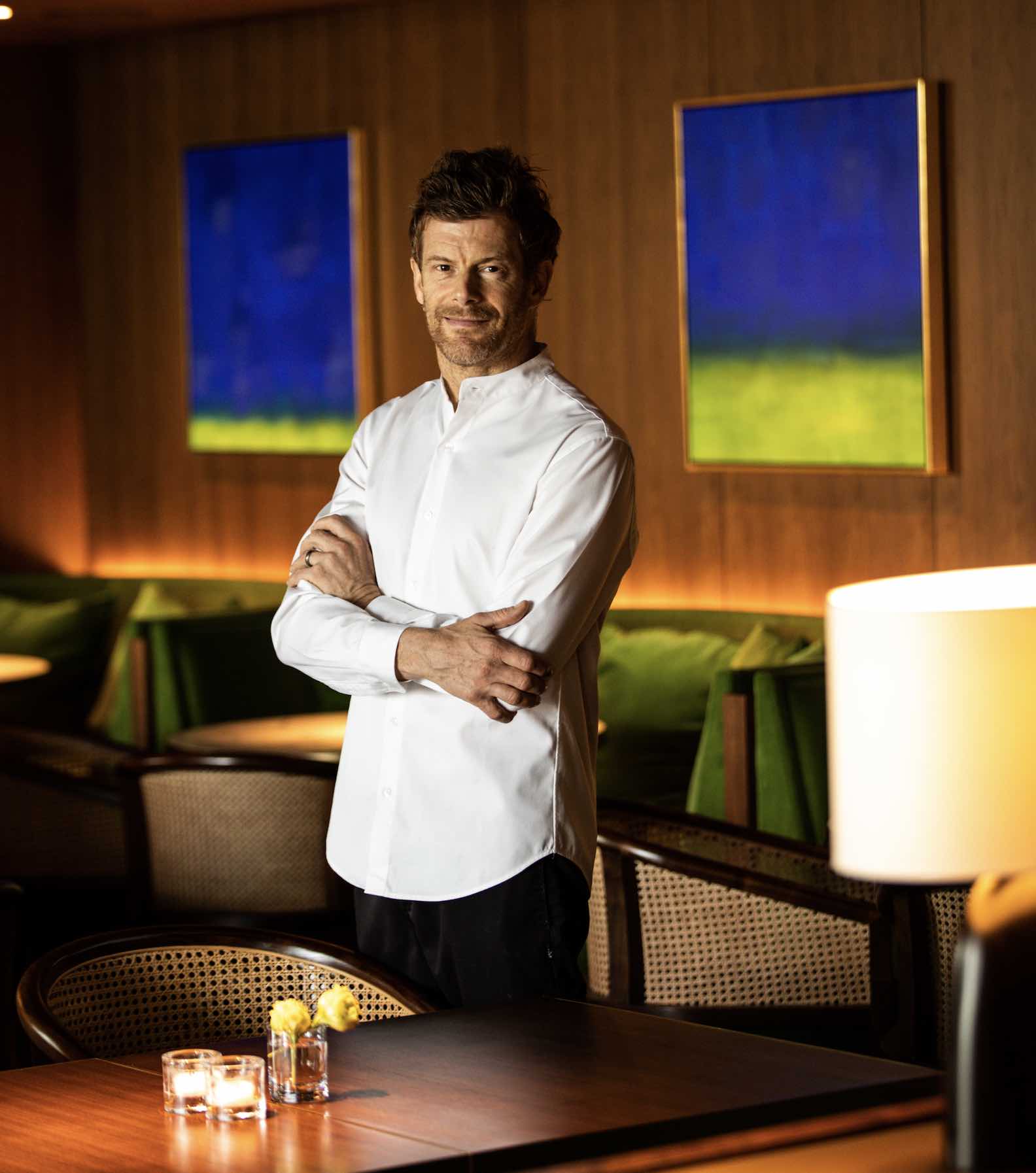
    In October 2022, world-renowned, award-winning Michelin-starred chef Tom Aikens, will open The Jade Room + Garden Terrace at The Tokyo EDITION, Toranomon. Recently celebrated in Conde Nast Traveler’s Hot List and Travel + Leisure’s It List – highlighting the best new hotels in the world for 2021 – this new offering for The Tokyo EDITION, Toranomon is a testament to the innovative, world-renowned dining experiences the EDITION brand is known for.  

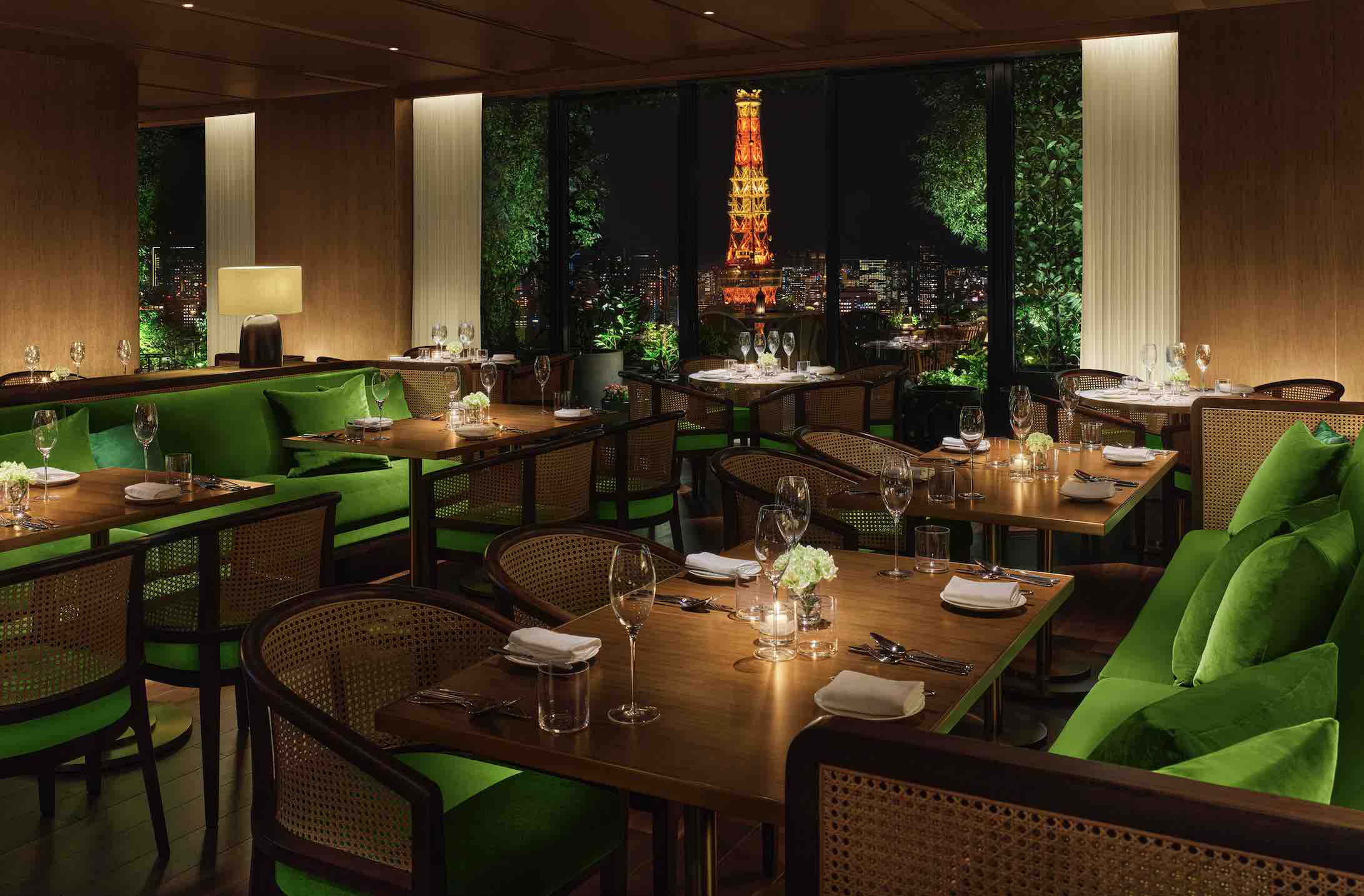
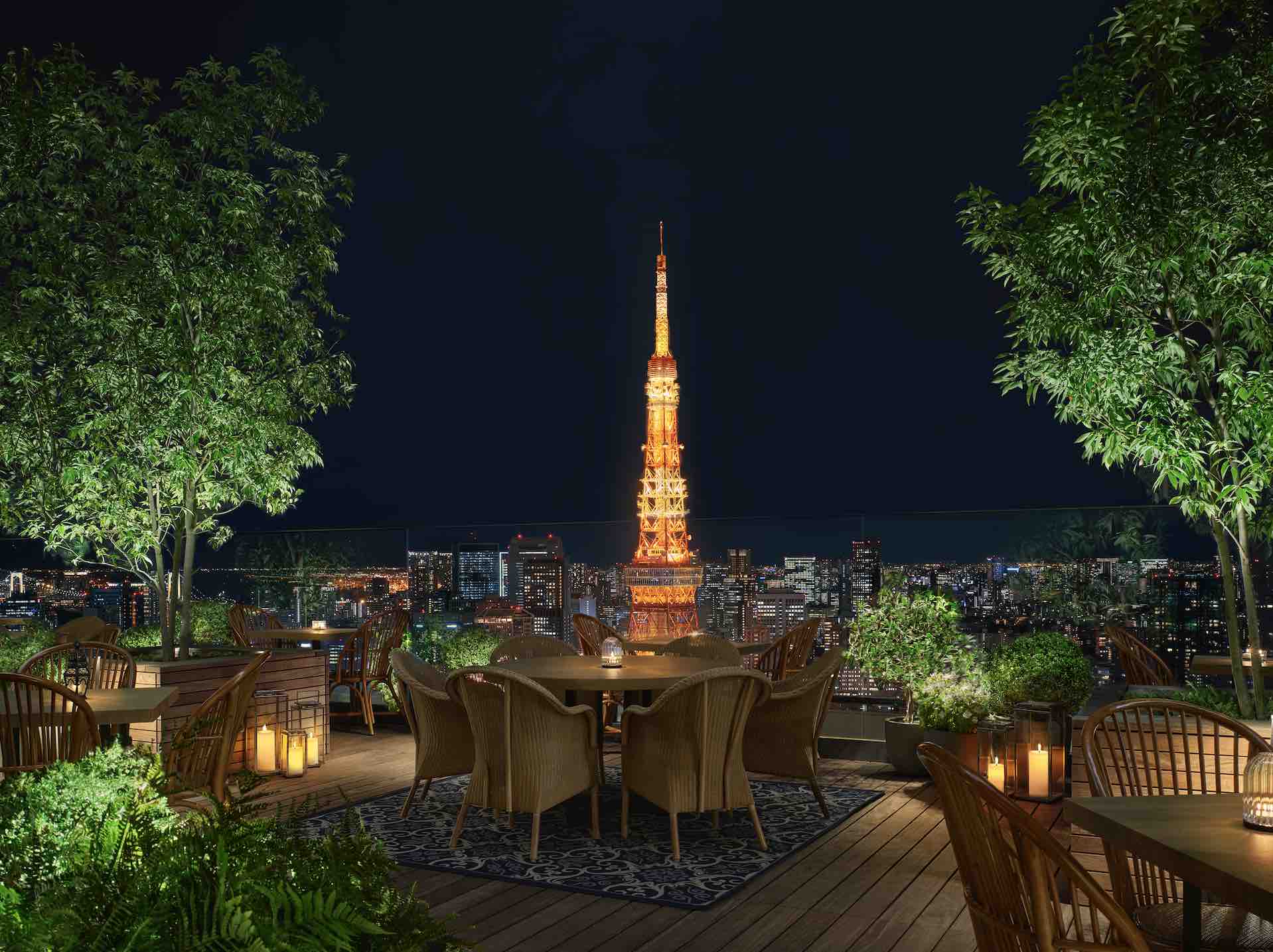
    Set on the 31st floor adjacent to the lobby, The Jade Room + Garden Terrace is the hotel’s signature restaurant, offering fresh and innovative food to be appreciated by locals and travellers alike. Celebrating the versatility and expressiveness ingrained in Japanese culture and cuisine, Tom Aikens’ menu pushes these boundaries further to deliver a fusion of contemporary Japanese and Western-influenced dishes prepared using diverse yet refined cooking techniques, all enjoyed against an astonishing backdrop of the Tokyo Tower and city skyline. 

    “I am thrilled to be opening my first venture in Japan this October, a country whose cuisine and traditions I greatly admire. I have designed two different menus for the indoor Jade Room and outdoor Garden Terrace that center on seasonality, inspired by mother nature. The result is an experimental fusion of Japanese and Western dishes that I can’t wait to share with the city.” – Chef Tom Aikens

    The Jade Room

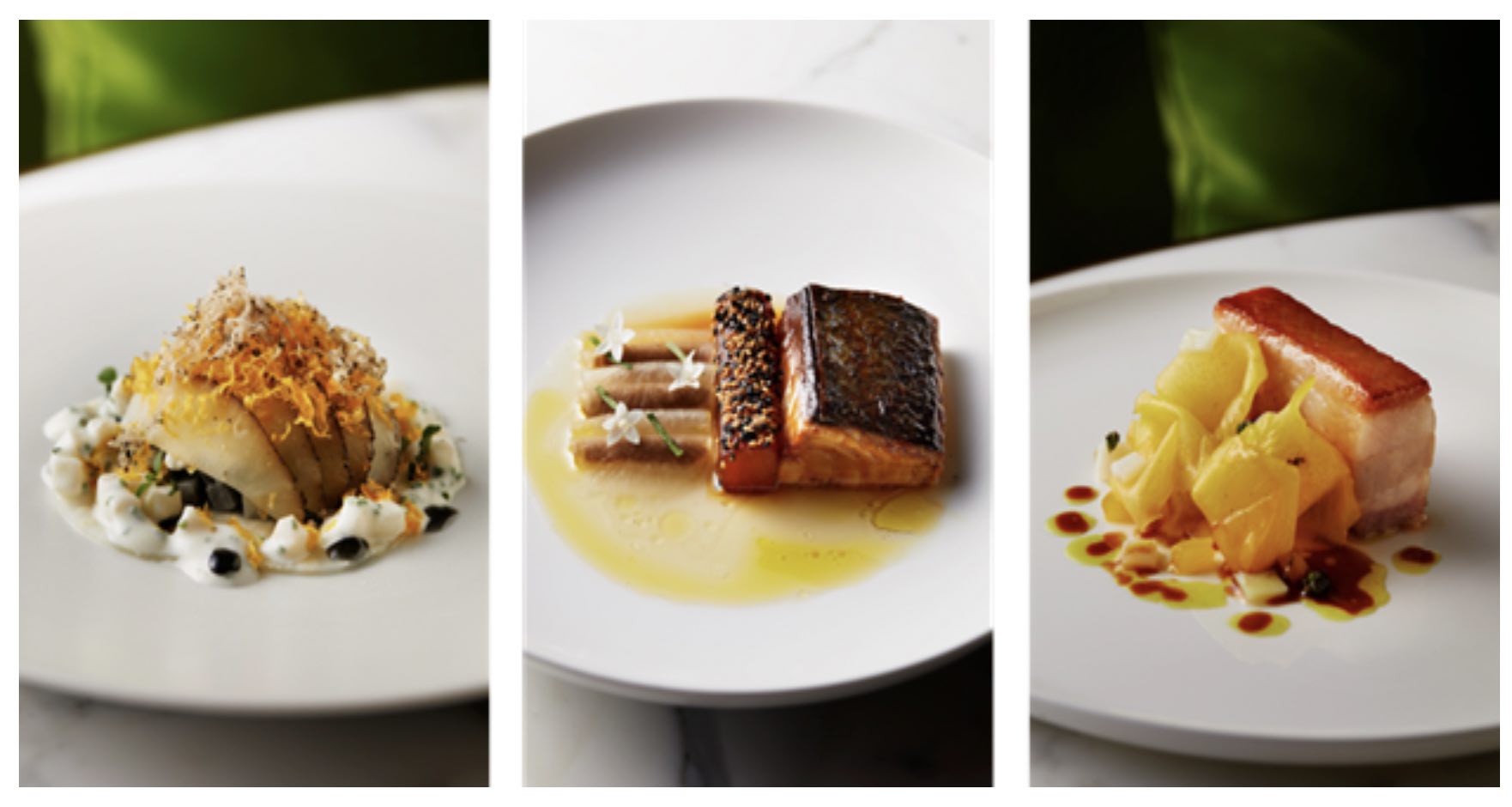
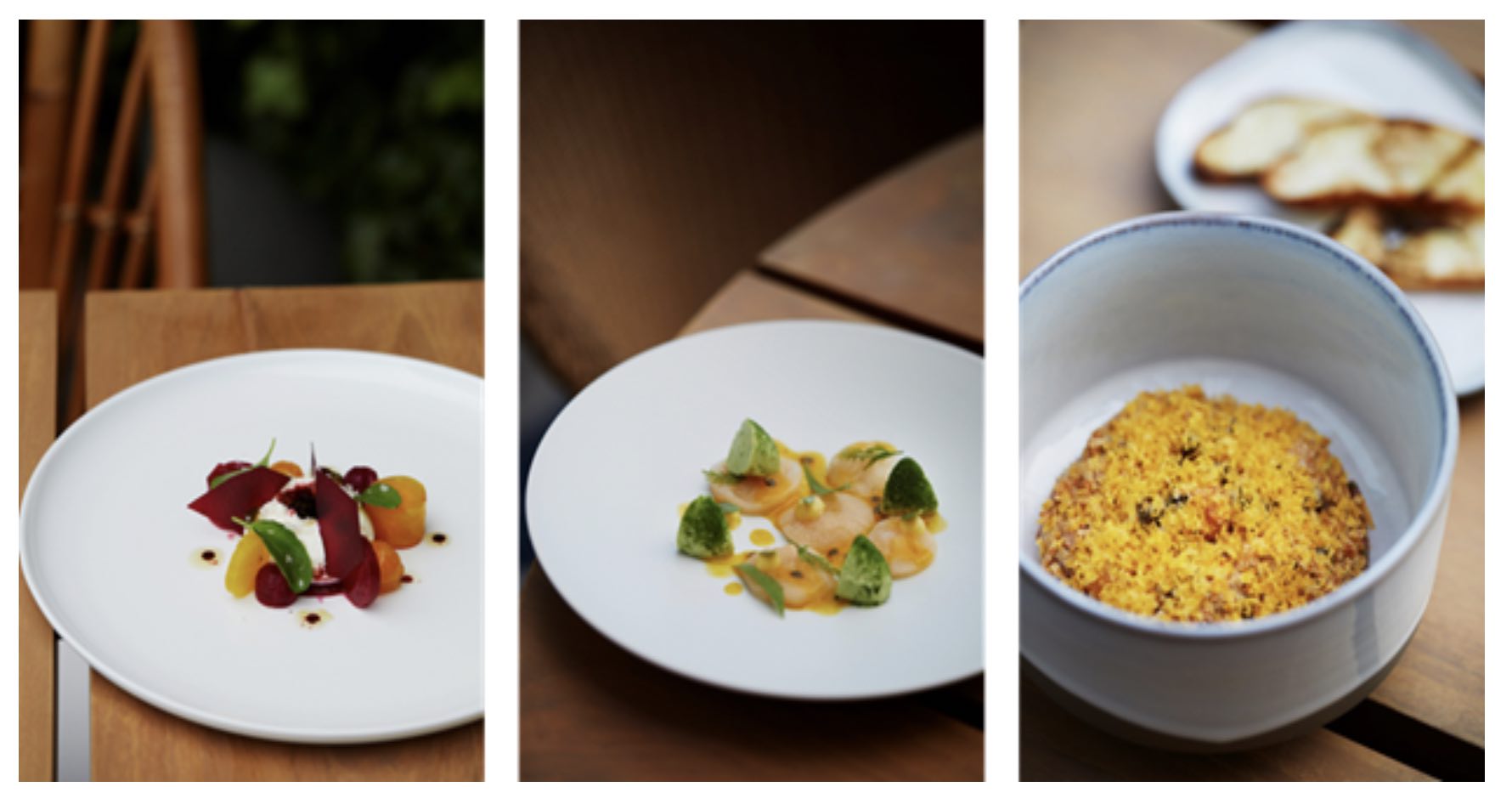
    Seated within the serene surroundings of the restaurant, guests can enjoy dishes created by Tom Aikens – both a la carte and as part of a 4 or 6-course tasting menu – with seasonally changing plates including:

    • Squid consommé, yuzu, chicken, confit lemon 
    • Fire roasted charred celeriac carpaccio, truffle 
    • Mackerel, dashi, sesame, daikon, furikake 
    • Piglet belly, squid, pineapple, and vanilla 

    The restaurant offers an exciting menu of cocktails and wines that champions new tastes and unexpected flavours. The seasonal cocktail menu focuses on collaborations with local botanical distilleries, to create bottled cocktails unique to The Jade Room + Garden Terrace.

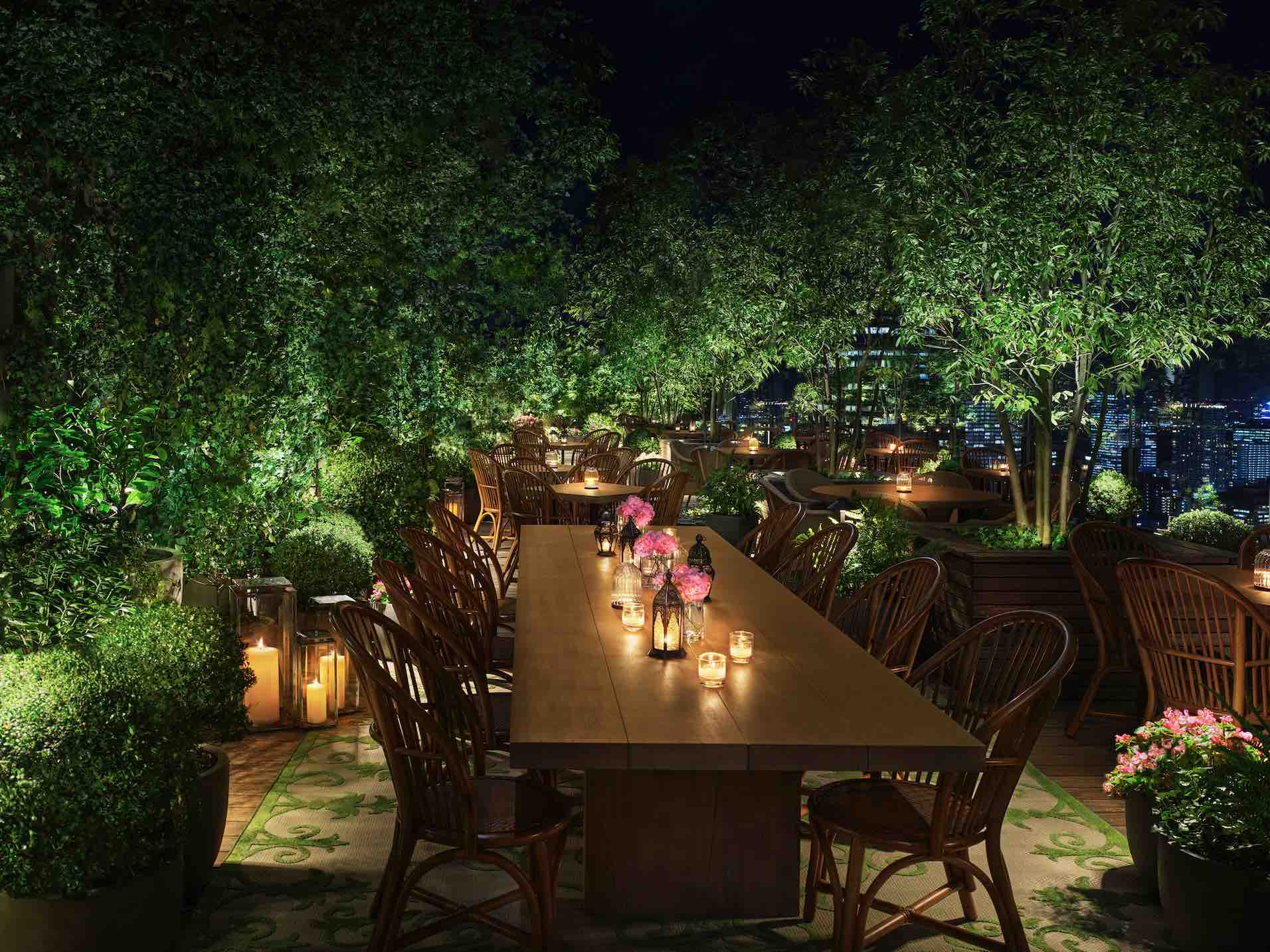
    Upon entering The Jade Room + Garden Terrace, guests will be welcomed through an entrance graced with photography by Masao Yamamoto and met with a lively and atmospheric space. The venue features flooring and walls of rich walnut panelling, circular banquettes, elegant counter seating with jewel green stools and custom commissioned paintings by artist John Jackson. The space is finished with six distinguished bamboo oak trees and 200 potted plants, transporting diners into an enchanted garden within the metropolis of the Toranomon district. 

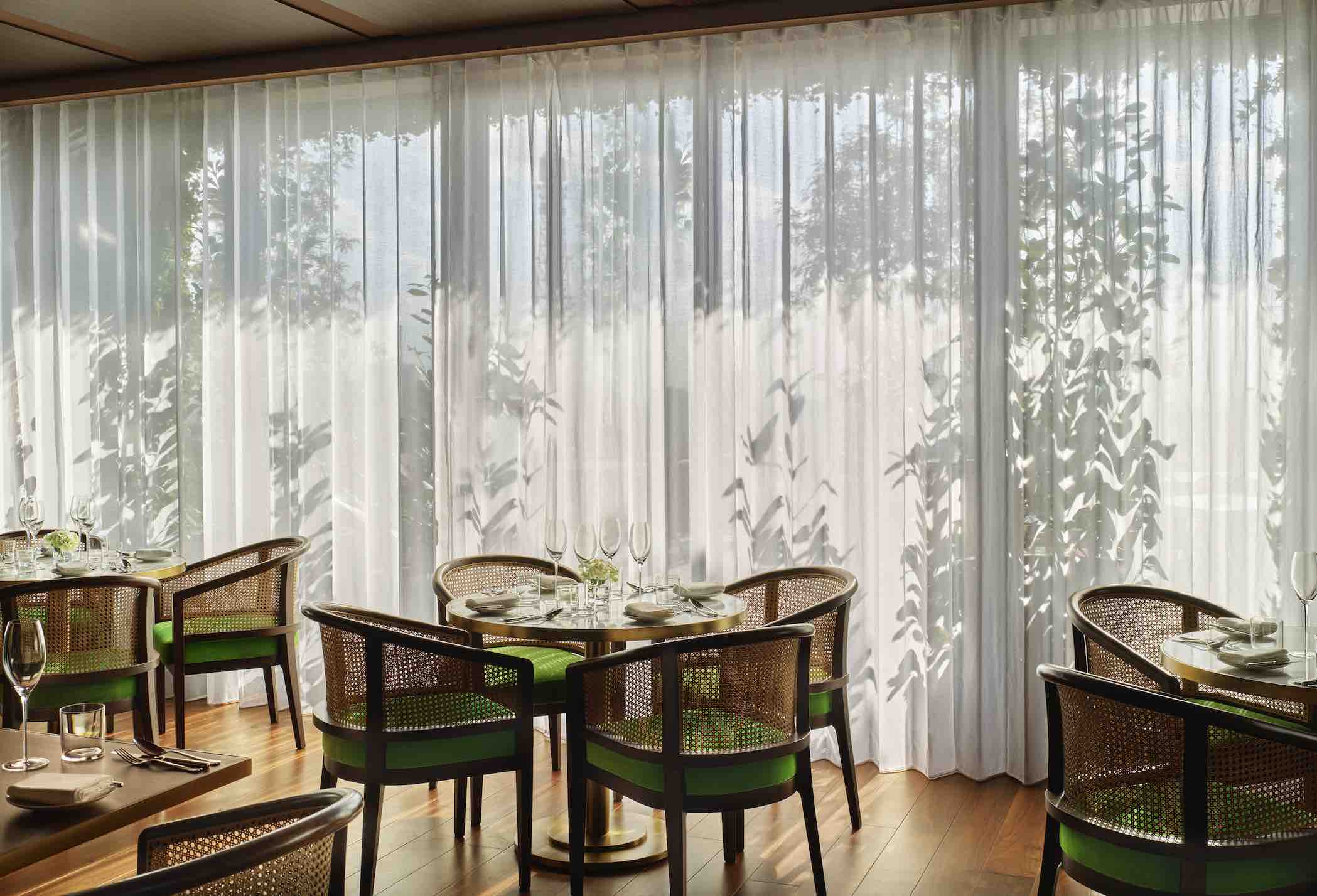
    The Jade Room also features two private dining rooms, seating 8 and 14 respectively, where guests can enjoy tailored and carefully curated menus for their taste and predilection. Each room is enveloped in hand-crafted Japanese Washi paper, the rooms give a foremost panoramic view of the city centre through layers of shimmering sheer drapery and the lush greenery of the exterior terrace. 

    The Garden Terrace 

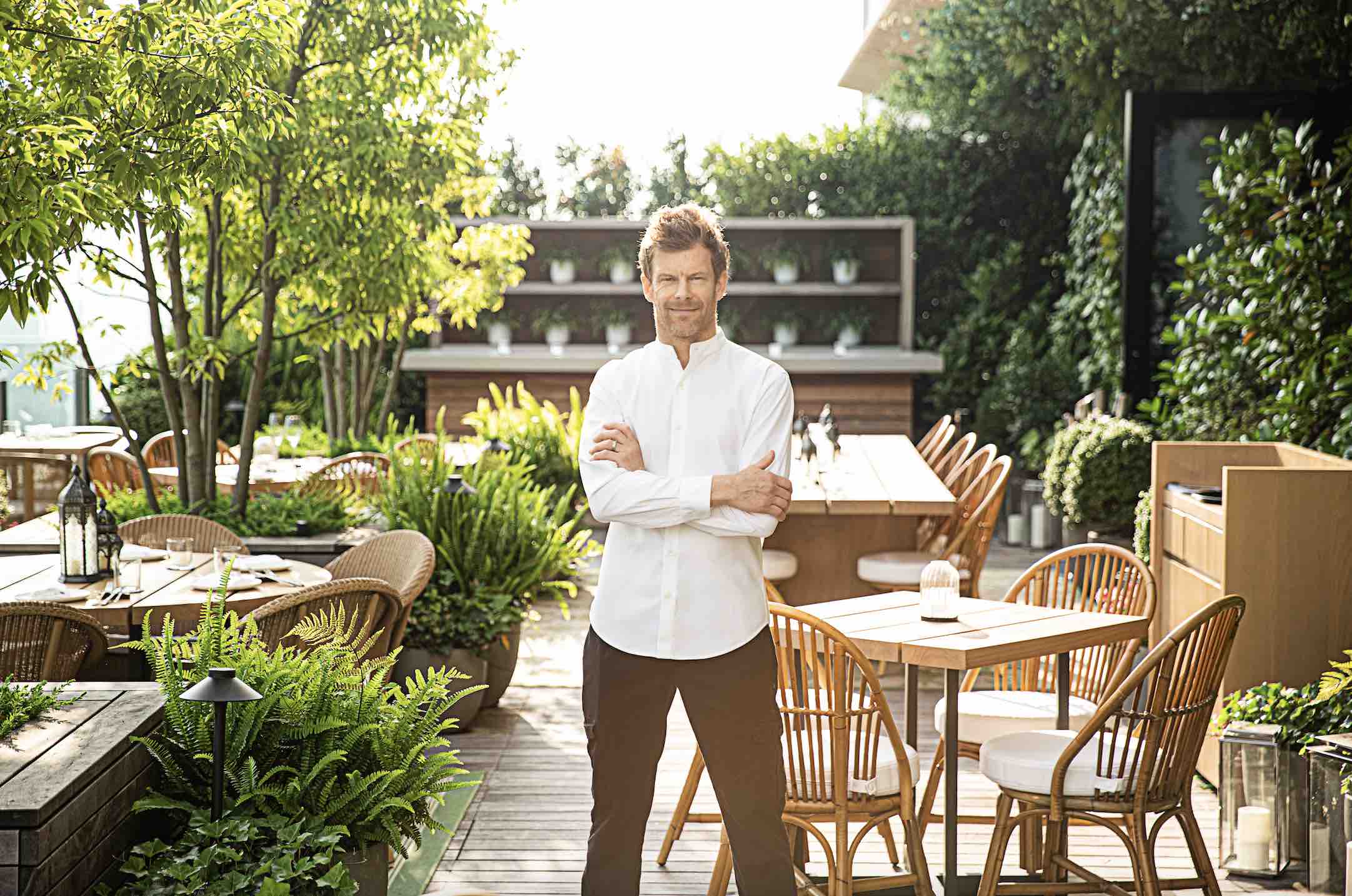
    Just a step out of The Jade Room, is Garden Terrace, sitting 460ft above ground overlooking the city. Open throughout the summer season, Garden Terrace has seasonally changing greenery, creating a serene and inviting space where guests are sheltered from the busy pace of city life.

    Garden Terrace offers a menu of cocktails, alongside sharing small plates that include:

    • Lobster roll, sudachi spiced mayo, nori, fried cabbage 
    • House made ricotta, pickled beets, schezwan cucumber
    • Scallops marinated with passionfruit and vanilla
    • Hand-chopped beef tartare, maple egg yolk, onion crumble 

    The Tokyo EDITION, Toranomon represents a very delicate balancing act between the refined, elegant, simple, and pure approach of Japan’s culture, style, and traditions and EDITION’s passion, emotion, sophistication, perpetual subversion of the status quo, and desire to break the rules to create something entirely new and that has never been seen before.  

    With the subversion of styles, this synergy of elegance and simplicity is present throughout the restaurant and bars at The Tokyo EDITION, Toranomon, and amplified by the experiences created by Tom Aikens for The Jade Room + Garden Terrace. Tom’s menus are led first and foremost by produce and provenance, driven by seasonality and diversity, with a considered coalescence of international expressions.

    The Jade Room + Garden Terrace The Tokyo EDITION, Toranomon 

    Address: 4-1-1 Toranomon, Minato Ku, Tokyo 105-0001 Japan | Tel: +813-5422-1630 | Email: jaderoom@editionhotels.comSeats: Chef counter: 12, Main dining room: 64, Small PDR: 8, Large PDR: 14, Terrace: 72 | Opening Hours & Prices: Jade Room Lunch 12pm to 2.30pm (Saturday and Sunday) – 4 courses: 10,000 JPY & Dinner 5.30pm to 9.30pm (Wednesday – Sunday) – 4 courses: 16,000 JPY / 6 courses: 20,000 JPY, curated limited A La Carte selection | Garden Terrace: 12pm to 9.30pm, Wednesday – Sunday: Selection of sharing and small plates 

  • Gold Bar At Edition Tokyo: Pre-Prohibition America Cocktails Golden Age

    Gold Bar At Edition Tokyo: Pre-Prohibition America Cocktails Golden Age

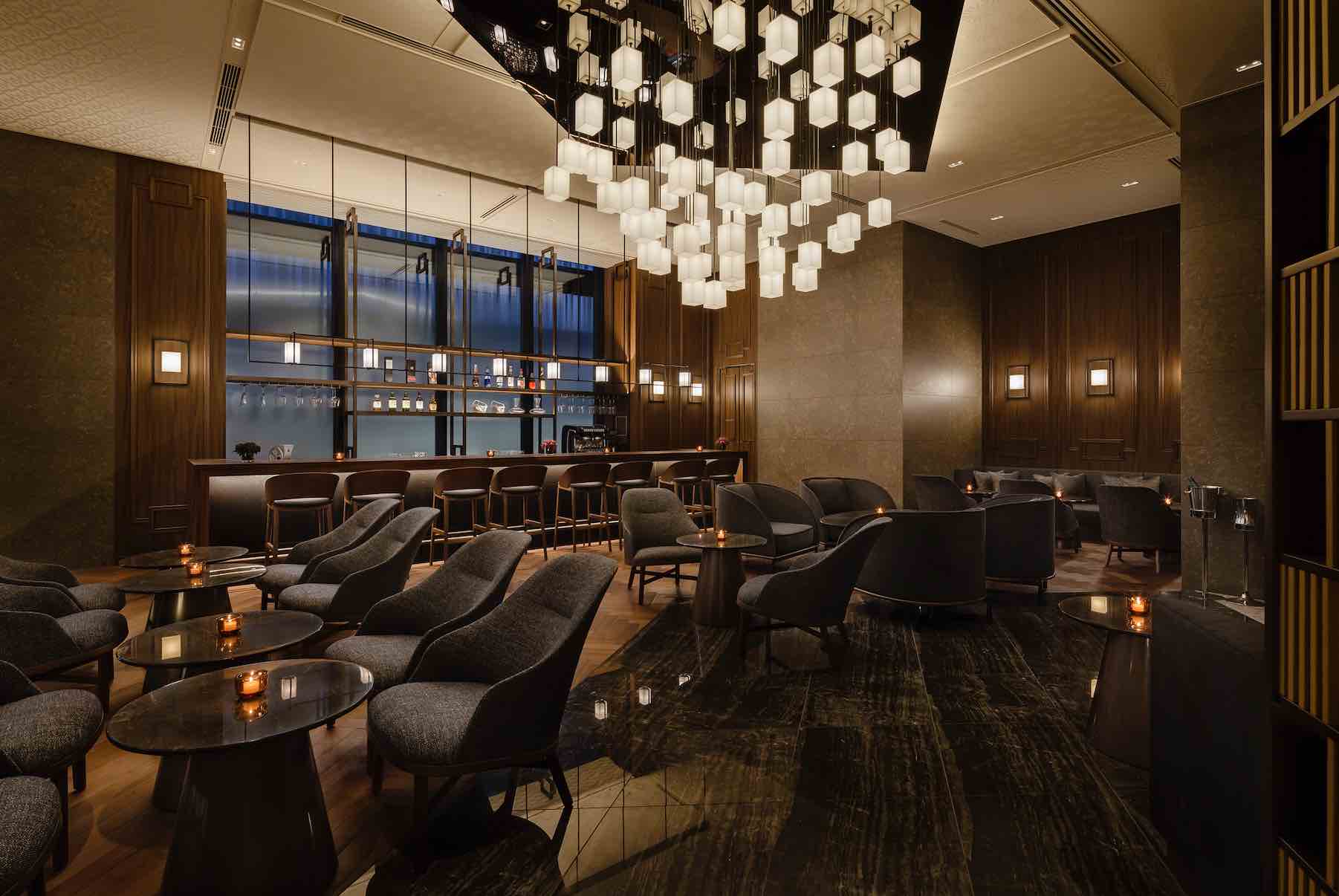
    This Spring, The Tokyo EDITION, Toranomon, launches Gold Bar at EDITION Tokyo, an intimate cocktail destination to stimulate the senses, inspired by the golden age of classic cocktails in pre-Prohibition America. Recently celebrated in Conde Nast Traveler’s Hot List and Travel + Leisure’s It List – highlighting the best new hotels in the world for 2021 – this new offering for The Tokyo EDITION, Toranomon is a testament to the innovative, world-renowned cocktail bars that the EDITION brand is known for.

    Gold Bar At Edition Tokyo – Golden Age Of Classic Cocktails

    Gold Bar at EDITION is a sophisticated haven for hotel guests and visitors, showcasing innovative takes on classic cocktails alongside an ever-evolving menu of small plates and a vast selection of whiskies and local gins.

    “The Golden Age of Cocktails” brought about some of the mixology’s best inventions: The Martini, Daiquiri, and Manhattan were all created in this time, spanning from the 1860s through the Prohibition Era. The 87-seat Gold Bar at EDITION features a creative cocktail menu reimagining these timeless concoctions with modern techniques, incorporating Japanese spirits and select local ingredients.

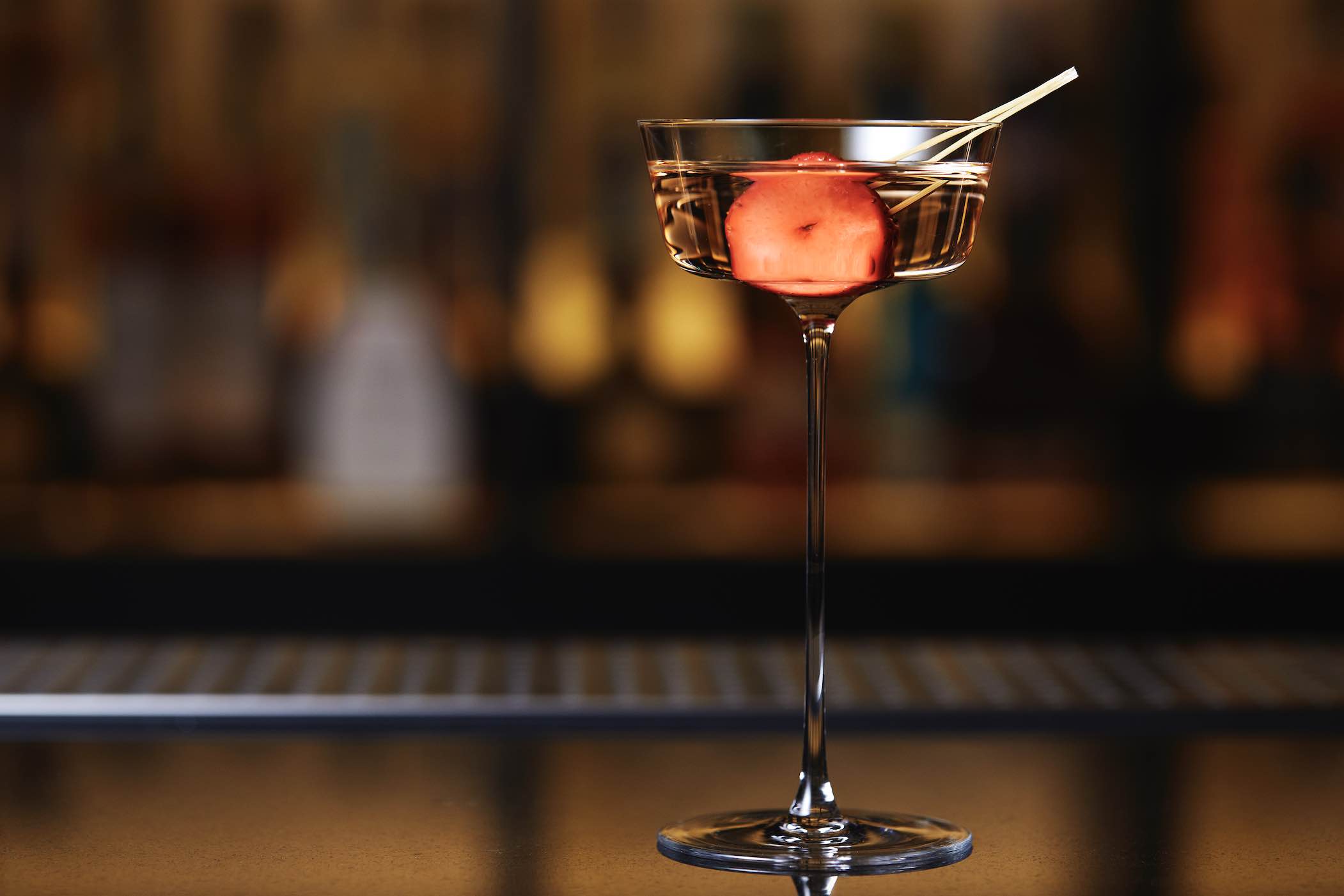
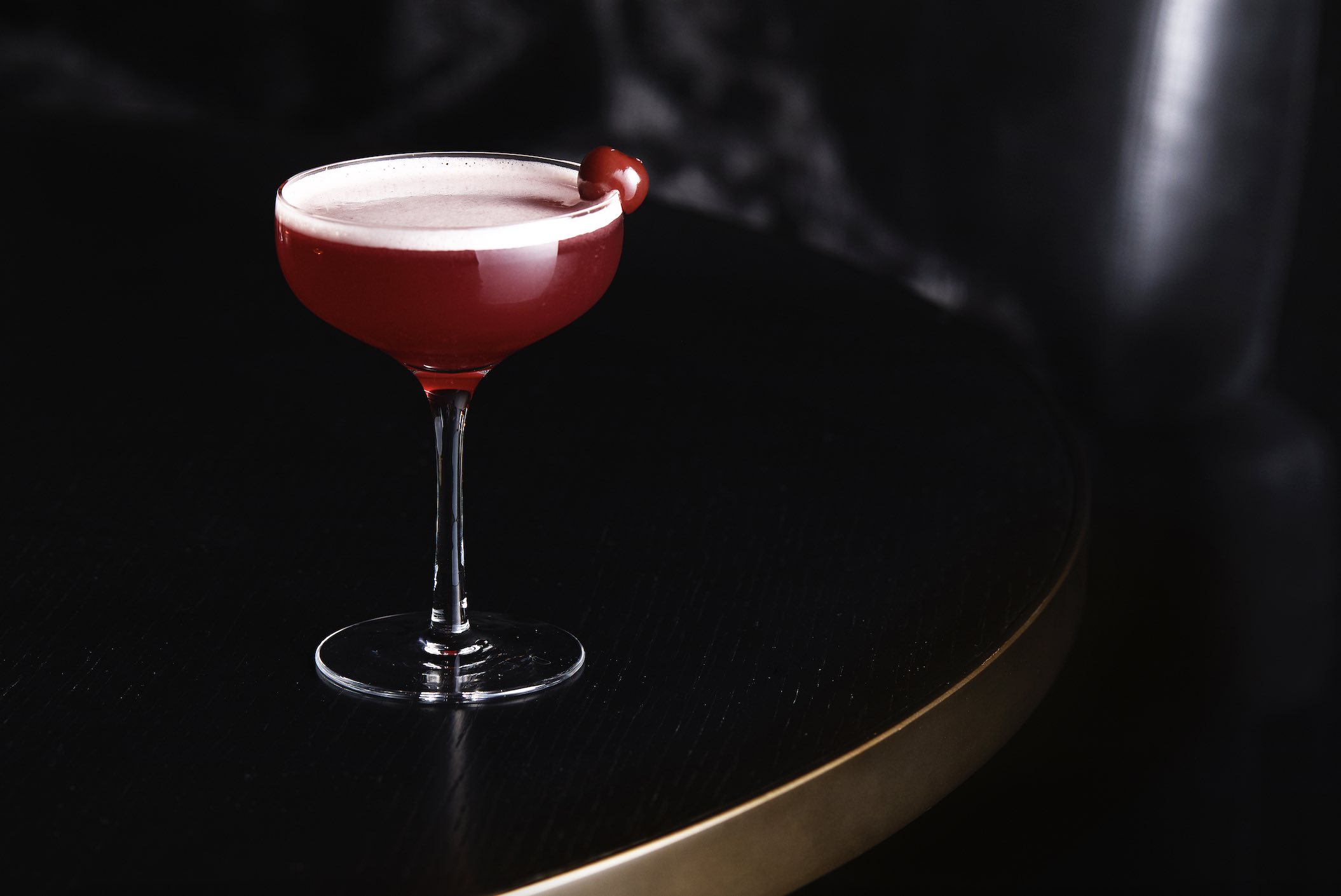
    Curated by the Director of Bars Hideyuki Saito, the menu focuses on classic cocktail categories, such as Punch, Sour, and Fizz. Cocktails on the menu include NIPPON PALE ALE, made with local chardonnay from Nagano, pisco, grappa, pineapple, IPA and nutmeg; PINOT & TWO GRAPES, made with bourbon, nature pinot noir, local concord grape, vermouth, citrus; and MUGI & SHOGA, which combines dark rum, Yamazaru Mugi Shochu (a smokey barley shochu), blood orange liqueur, ginger, citrus and soda.

    Gold Bar At Edition Tokyo – Bar Bites

    Gold Bar at EDITION’s food menu will be created each season by a locally renowned chef, Chef Narukiyo, highlighting the finest Japanese ingredients. Known for his celebrated downtown namesake, izakaya Narukiyo, serving homemade southern Japanese seasonal food, will be the first to curate the menu.

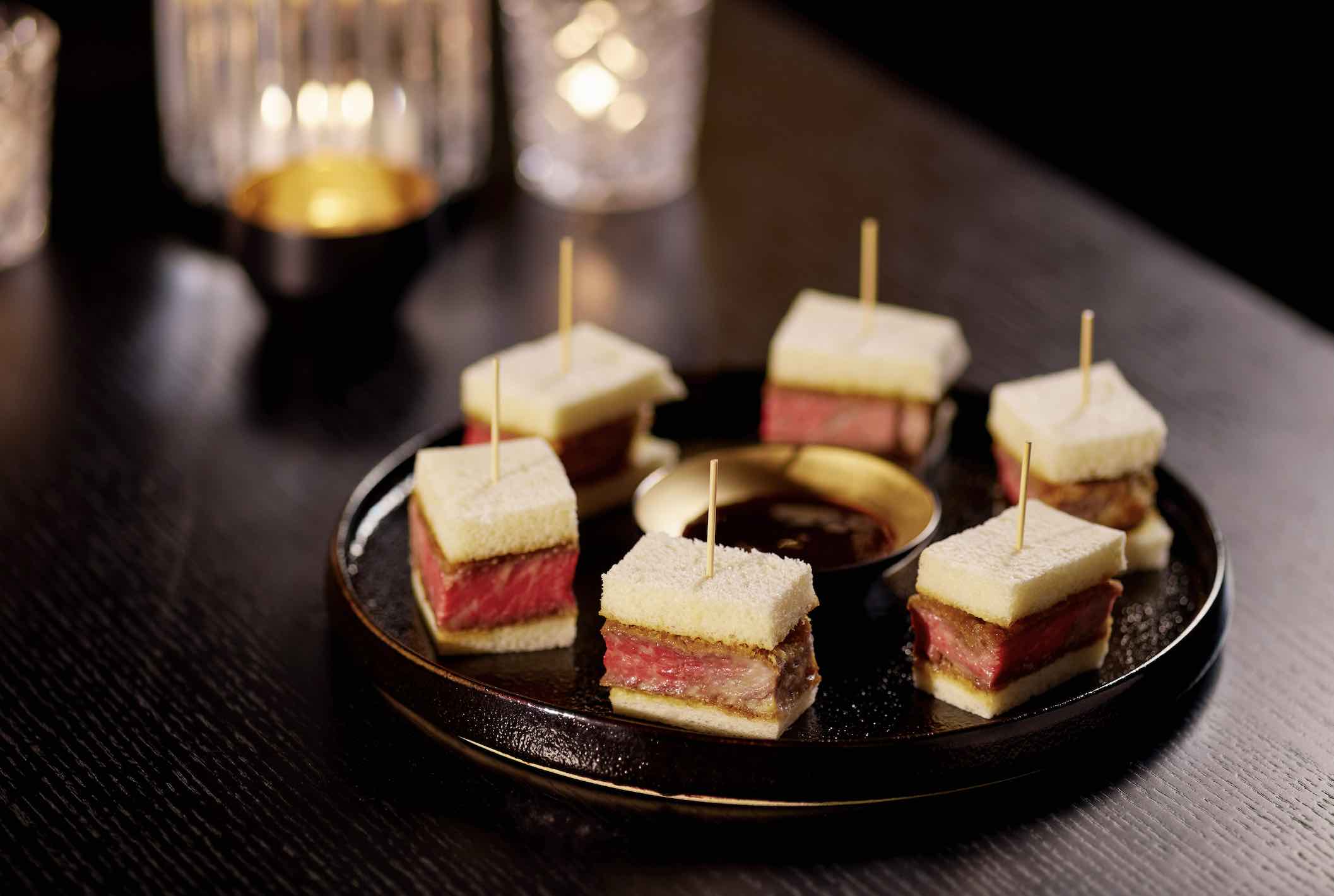
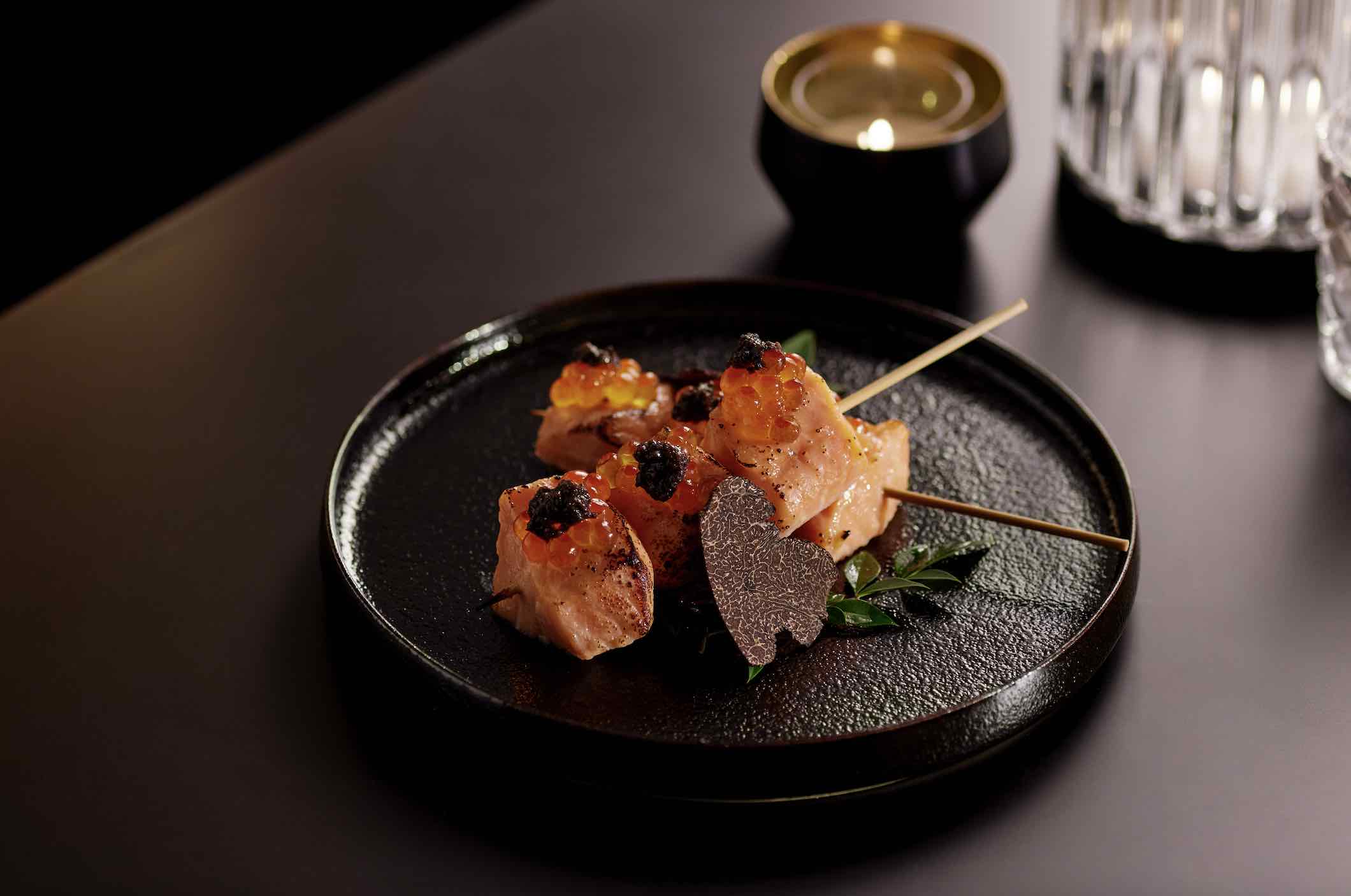
    A selection of small plates will be served throughout the day and into the evening. Dishes on the menu include Tasmanian Salmon marinated in White Miso, Salmon Roe with Truffles; Cutlet Sandwich with Wagyu Beef Tenderloin with Dengaku Miso Sauce and Gold Bar Chocolate with Hazelnut, Almond and Lemon.

    Gold Bar At Edition Tokyo – Design & Ambience 

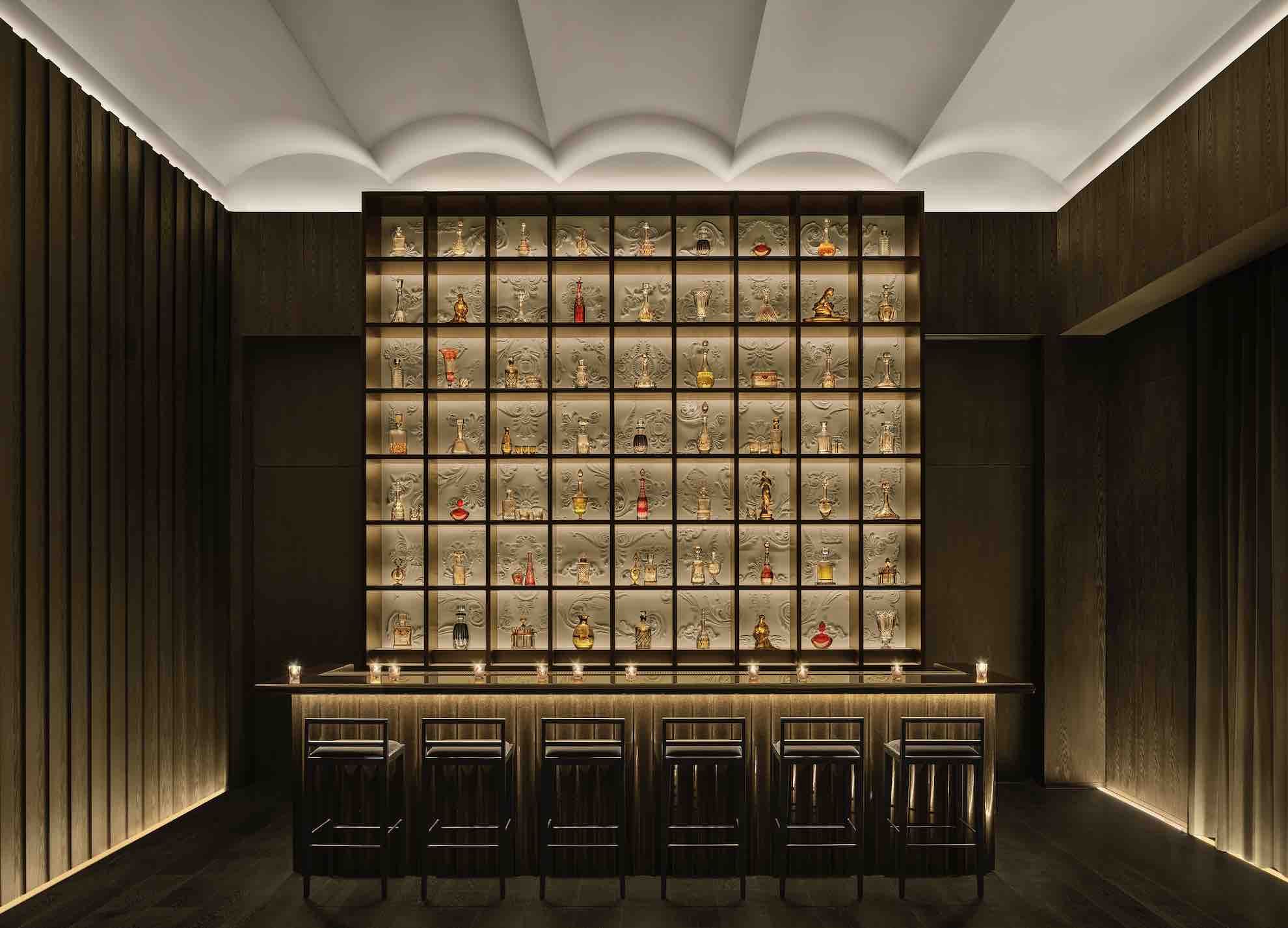
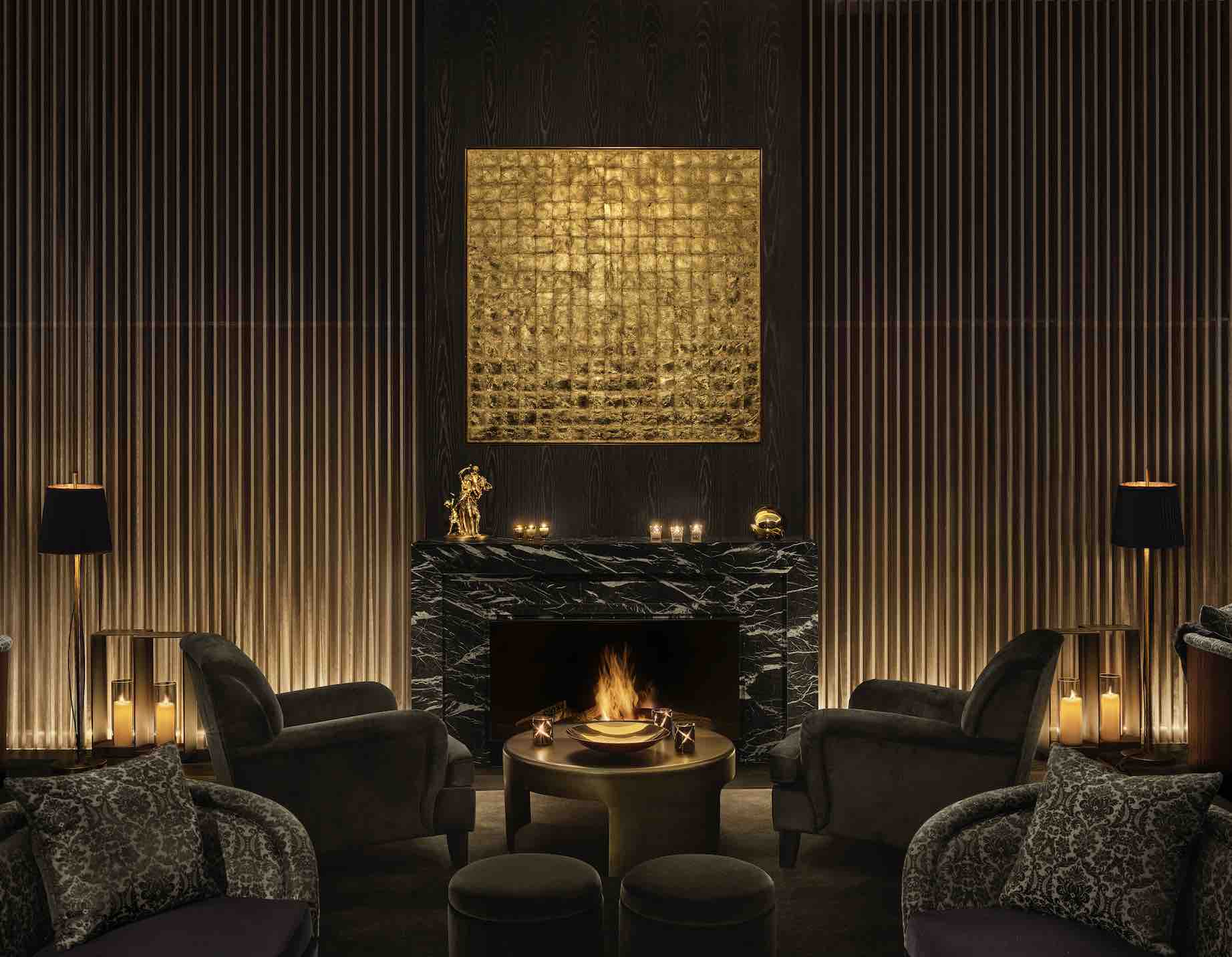
    All black with deft flourishes of white and gold, inspired by the design of rare pieces of fine jewellery, Gold Bar at EDITION will feature blackened wood finishes inspired by Japanese yakisugi, a traditional method of charring cedar to preserve the wood. The venue will also feature gold accents, a black marble bar, and white barrel-vaulted 16ft (5m)-high ceilings. The intimate bar is finished with a focal fireplace made of Nero Marquina, which hangs a gold-leaf artwork by Guerin Swing. Gold Bar at EDITION will play a mix of low-tempo classic, jazz, soul, and R&B midweek selected by Gray V, with named DJs playing on Friday and Saturday nights.

    The Tokyo EDITION, Toranomon represents a very delicate balancing act between the refined, elegant, simple and pure approach of Japan’s culture, style, and traditions and EDITION’s passion, emotion, sophistication, perpetual subversion of the status quo, and desire to break the rules to create something entirely new and that has never been seen before. With the subversion of styles, this synergy of elegance and simplicity is present throughout the restaurant and bars at The Tokyo EDITION, Toranomon, and none more so than in Gold Bar at EDITION.

  • Oakwood Hotel Oike Kyoto Now In UNESCO World Heritage Destination

    Oakwood Hotel Oike Kyoto Now In UNESCO World Heritage Destination

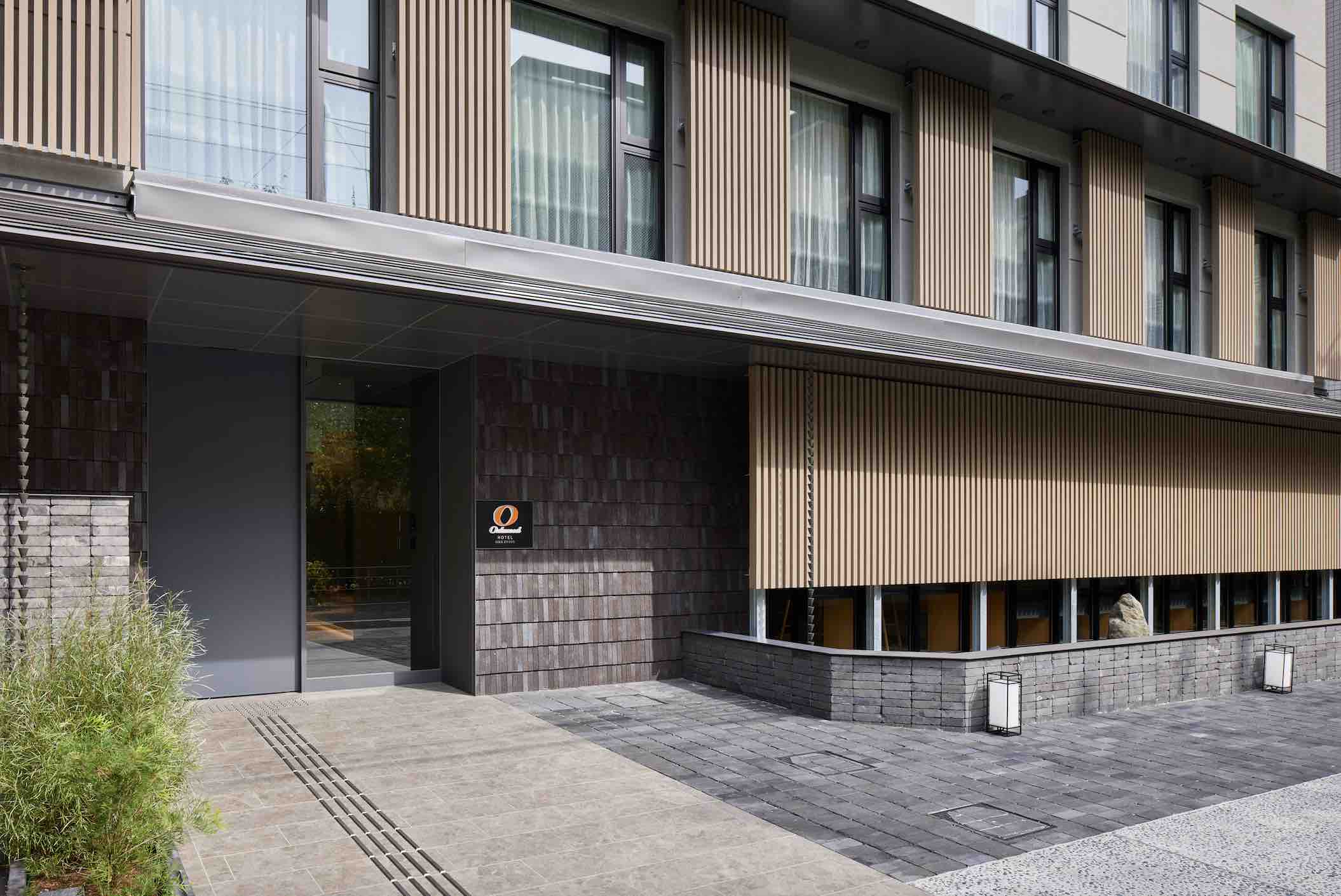
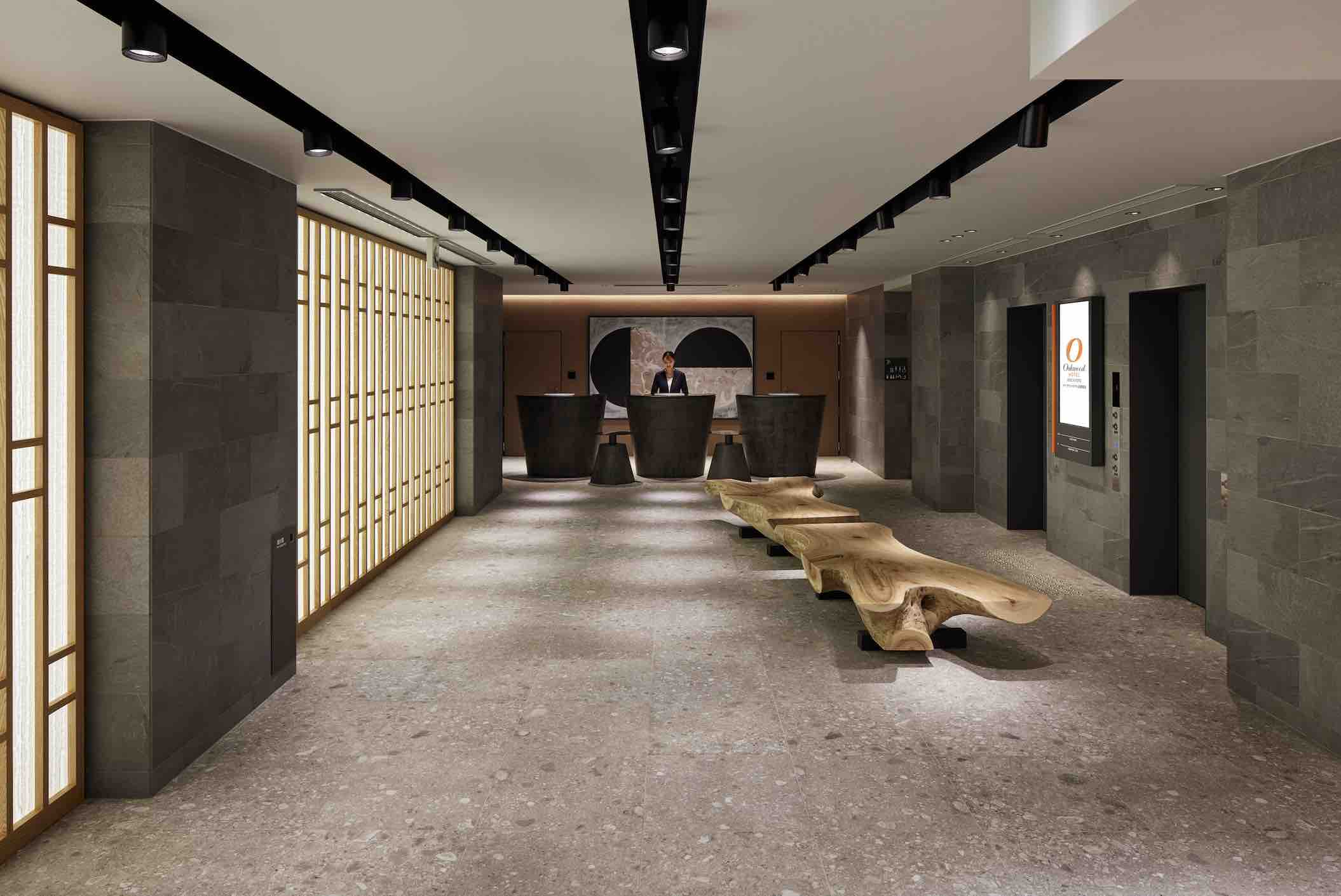
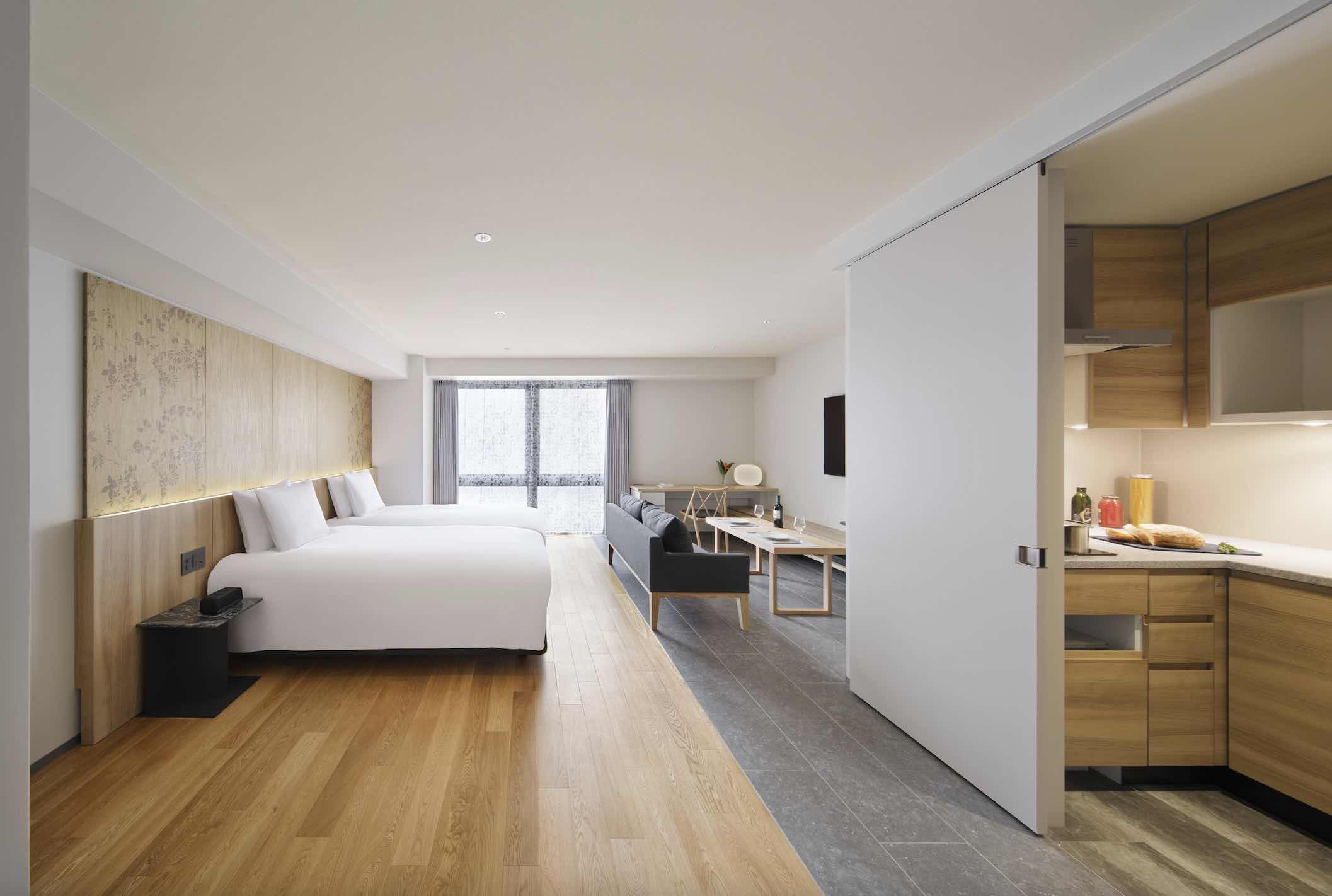
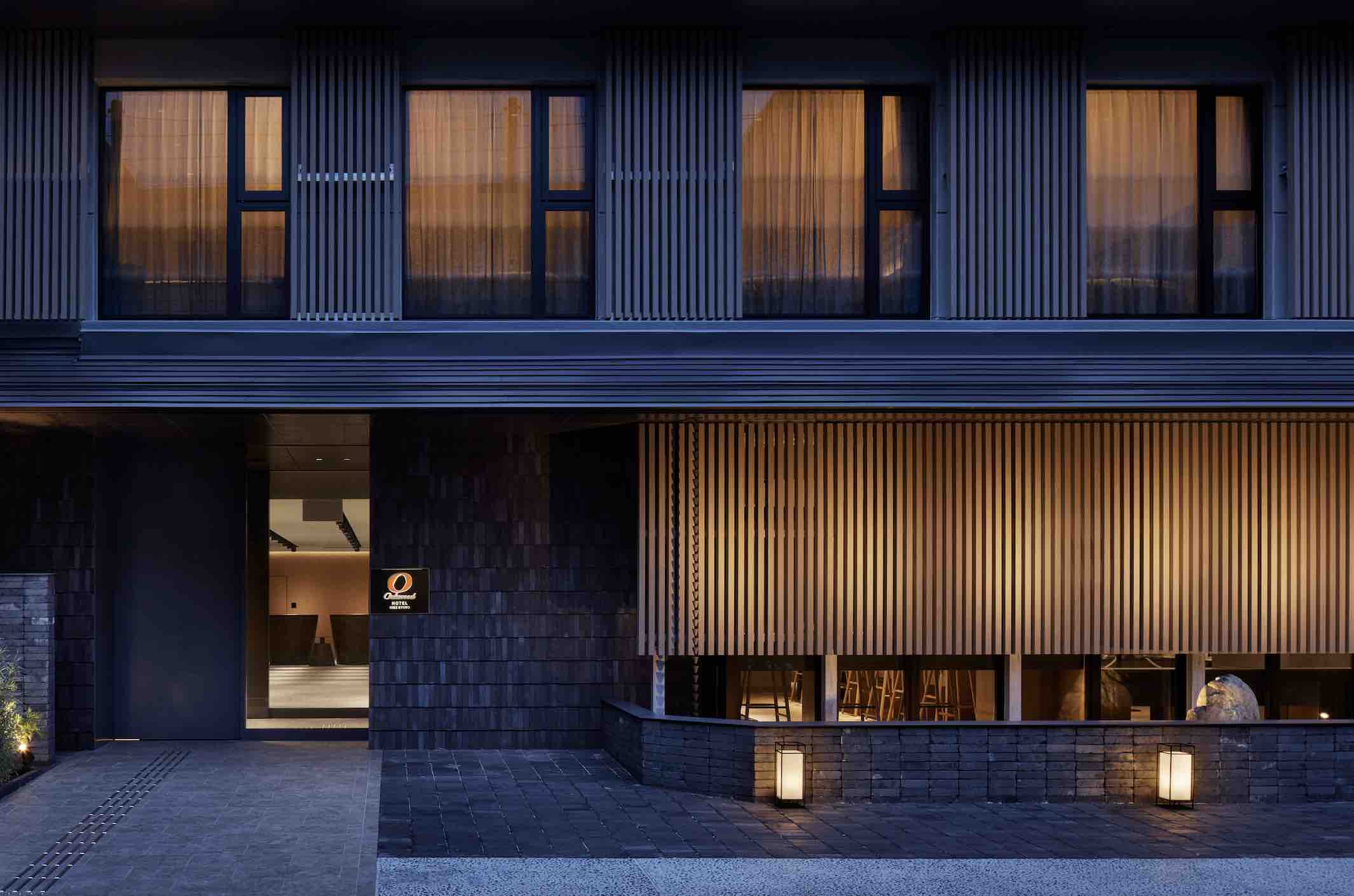
    Oakwood’s opening of Oakwood Hotel Oike Kyoto reinforced its commitment to double its global portfolio of managed properties by 2025. The brand’s 12th property in Japan also marks Oakwood’s debut in the former Japanese capital, which is home to 17 UNESCO World Heritage sites as well as thousands of temples, shrines and beautiful gardens. Being one of the few international serviced apartments brands in the fabled ancient city, Oakwood Hotel Oike Kyoto showcases a total of 120 thoughtfully designed rooms and studio apartments with fully-equipped kitchens and laundry facilities in the charming heart of the historic and cultural district.

    “Following the success of Oakwood’s operations in Tokyo and Yokohama, we are delighted to make our market entry into Kyoto, which is one of the world’s iconic historic cities. This landmark opening signifies the arrival of Oakwood’s distinctive style of hospitality in Japan’s coveted tourism hotspot at an opportune time when the world returns to travel once again. Adding Oakwood Hotel Oike Kyoto to our East Asian portfolio within ten months of Oakwood Suites Yokohama’s opening underscores the commitment to accelerate our growth momentum in Asia Pacific and differentiate the hospitality landscape with locally-immersive residential experiences backed by internationally acclaimed service standards,” said Dean Schreiber, chief executive officer of Oakwood. 

    Strategically located close to several of Kyoto’s most popular tourist attractions, Oakwood Hotel Oike Kyoto is a two-minute walk from the Kyoto Shiyakusho-Mae Station on the Municipal Subway Tozai Line and a fifteen-minute train ride from Kyoto Station. Its exceptional address is perfect for both leisure and business travellers on the search for authentic local experiences, cultural immersion and exploration of Kyoto’s architectural marvels. Prominent landmarks in its vicinity include the Nijo Castle, Kyoto Imperial Palace and Sentō Imperial Palace, home to emperors of Japan for many centuries.

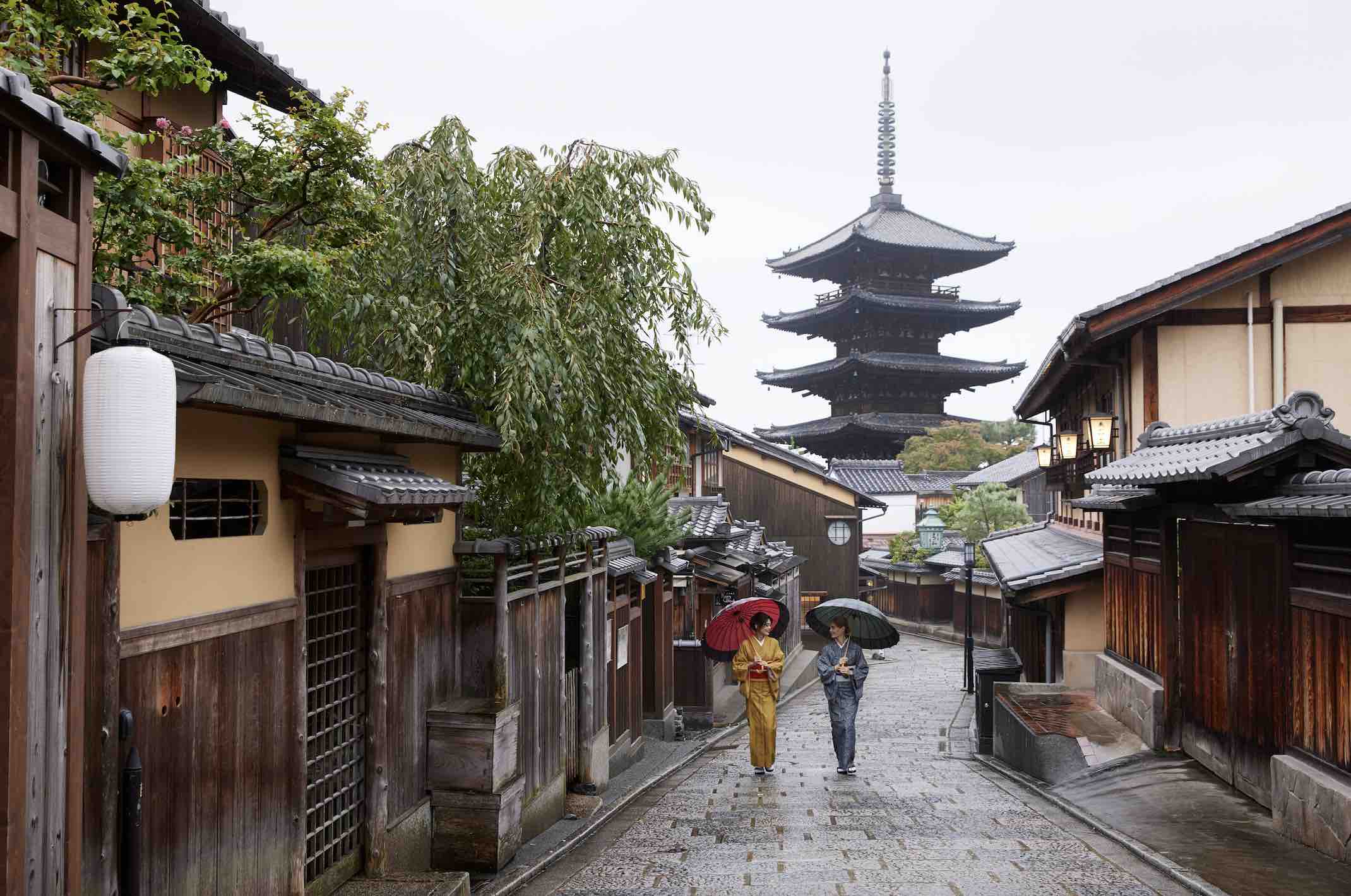
    A short stroll to popular riverside walks and charming restaurants along the beautiful Kamo River, the property offers myriad retail and epicurean indulgences after a day of historic excursions. Just minutes away by taxi, subway or even rented bicycles are the ancient cobblestone streets, geishas and tea houses of iconic Higashiyama ‘old town’, with abundant authentic local restaurants and shopping for traditional Japanese crafts and kimonos at Karasuma-Shijo and Nishiki Market.

    Modern-day Kyoto is also an information technology hub, the home base for industry leaders such as Nintendo, and the academic centre of Japan with over 40 higher education institutions, including Kyoto Institute of Technology, ranked among the world’s best for architecture and design.

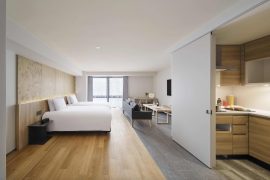
    Oakwood Hotel Oike Kyoto offers a safe sanctuary for business and leisure travellers seeking residential comfort without compromising on service excellence. All 104 elegant guest rooms promise a good night’s rest with quality beds and the latest in-room technology, including an air purifier, 55′ flat screen smart TV, tablet, press readers and complimentary Wi-Fi along with world-class guest services. Sixteen studio apartments feature a well-equipped kitchen fitted with a refrigerator, microwave oven, cooking utensils, washing machine and dryer.

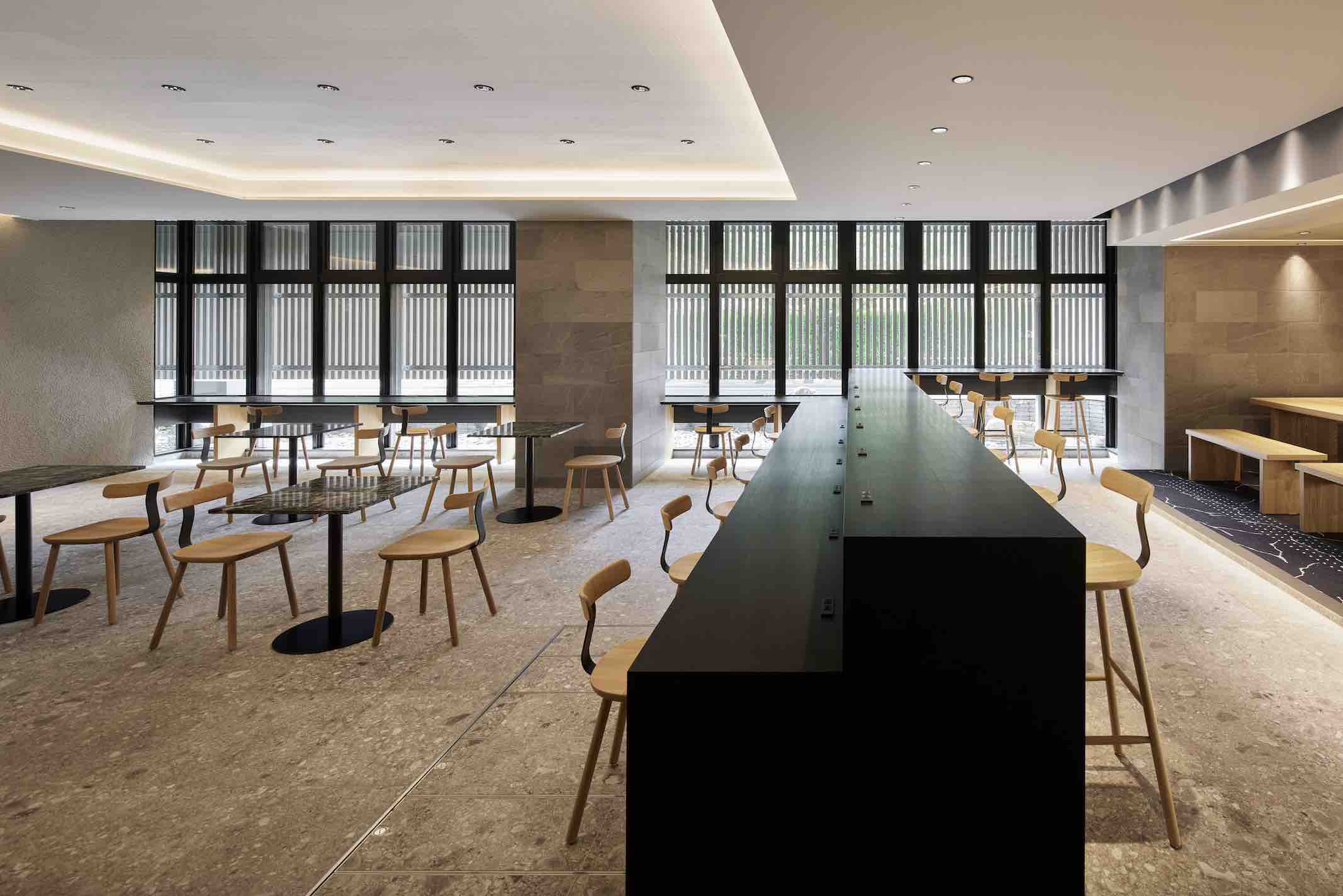
    Café O, an on-site dining establishment, will serve breakfast featuring local culinary specialities. Other facilities include a co-working space, smoking room, laundromat, housekeeping and multi-lingual guest relations for seamless assistance, such as limousine, taxi and airport bus arrangements.

    To safeguard the health and safety of guests, associates and the local community, Oakwood Clean360, will be observed so that the renowned Oakwood experience can be enjoyed with an absolute peace of mind.

    For more information, please visit Oakwood Hotel Oike Kyoto

  • Live Like A Local When You Stay At Far East Village Hotel Yokohama

    Live Like A Local When You Stay At Far East Village Hotel Yokohama

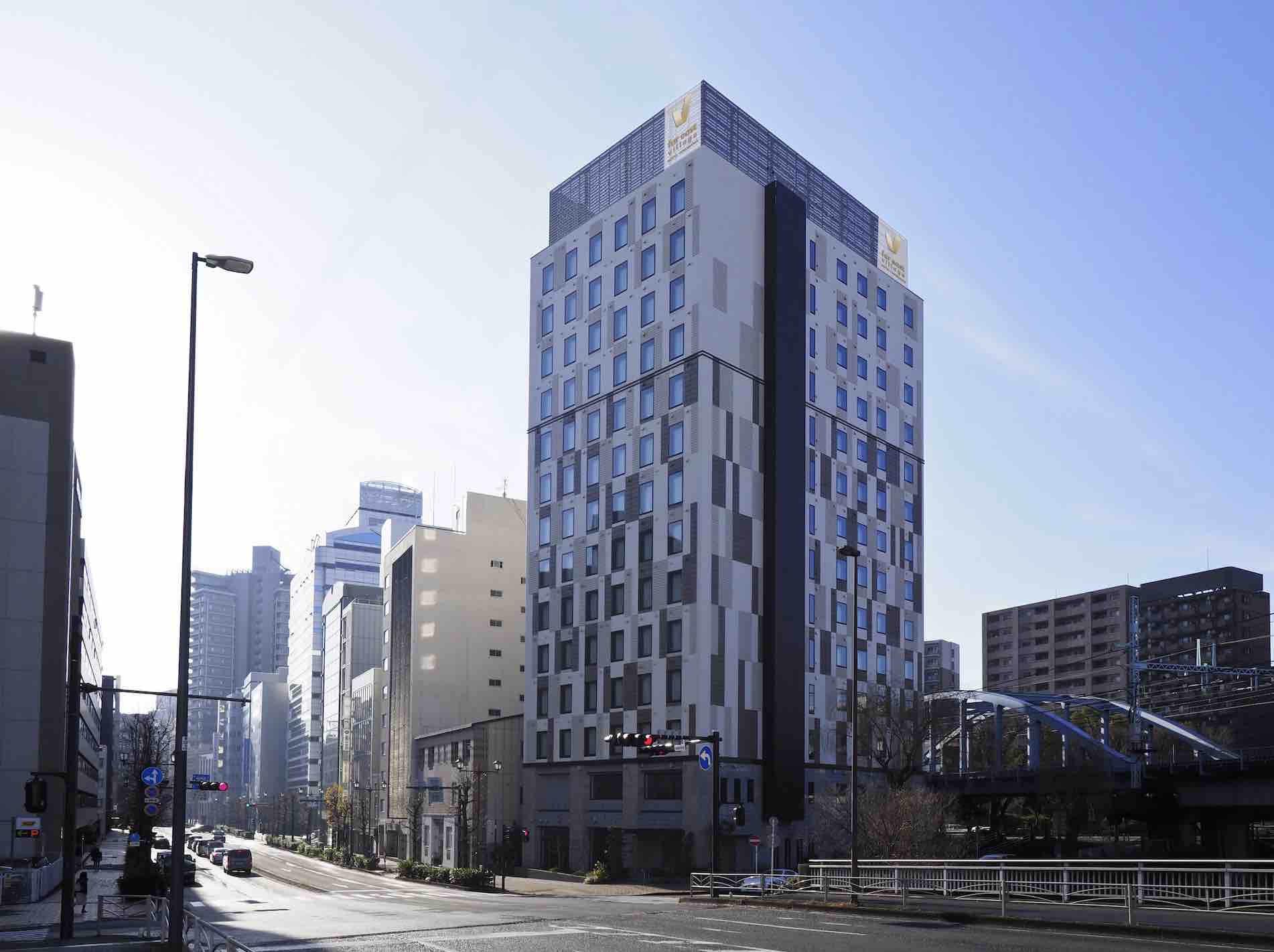
    Located within a five-minute walk from Sakuragicho Station on JR Line and Yokohama Municipal Subway or Bashamichi Station on Minatomirai Line, Far East Village Hotel Yokohama offers easy access to both tourist attractions and business destinations. The hotel encourages its guests to “Live Like a Local.” Each Village Hotel provides guests with a Village Passport which details unique experiences that guests can enjoy within the vicinity of the hotel. This includes information on nearby restaurants, cafés, and attractions that locals often visit.

    Commenting on the reason for expansion into Yokohama, Arthur Kiong, Chief Executive Officer of Far East Hospitality Management said, “At Far East Hospitality, we are constantly looking at ways to expand our footprint in the region. As intra-Asia travel is likely to increase in the future, countries such as Japan will be even more in demand. We are excited that we have the opportunity to open our second hotel in Japan within a year and we now have presence in 2 of the most popular cities in Japan. Both of our hotels are synergistic in that they cater to domestic travellers looking to experience a flavour of Singapore even when travelling for a functional reason between Tokyo and Yokohama. This hospitality concept is relevant especially through this season where international travel is still largely on hold. Hence, domestic tourism will be the main staple for some time to come and FEH want to be in the markets such as Japan where the domestic tourism growth is robust.“  

    Far East Village Hotel Yokohama – A marriage of Singaporean and Japanese cultures

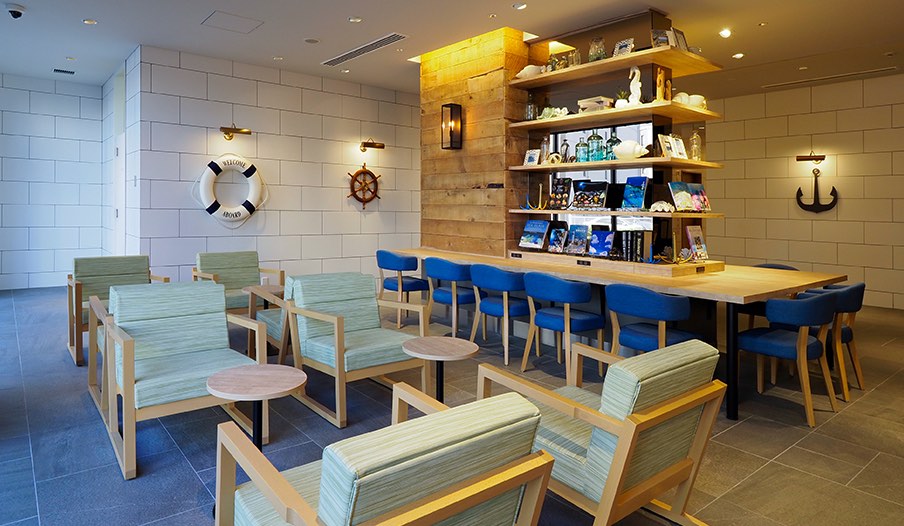
    Singapore and Yokohama are port towns. Hence, the hotel is decked with ornaments such as anchors and nautical lighting fixtures to remind guests of ports and ships. Singapore’s tea-ware and toys, along with a warm wooden lobby and the restaurant, create a welcoming atmosphere. The hotel also plays various music genres based on the days’ time, creating a comfortable and homely environment. Guests will also be able to enjoy Yokohama’s famous confectionery and Singaporean snacks at the lobby, lounge, and breakfast buffet at the restaurant (after September).

    Far East Village Hotel Yokohama – Free drinks and snacks at the lounge

    At the lobby lounge on the 1st floor, guests can enjoy complimentary drinks and snacks all day and night. Wi-fi is available at all areas in the hotel, allowing guests to spend a relaxing time at the lobby and other facilities.

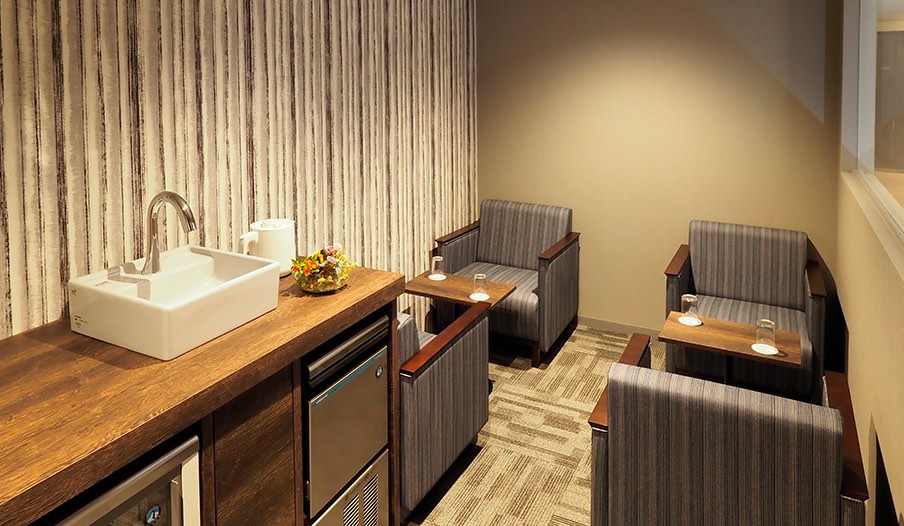
    Each floor from the 11th to 14th has a Village Lounge exclusive for guests in higher room categories (Superior Plus, Superior Plus MM21 View, Deluxe Plus). The lounge provides free alcohol for adult guests over 20 years old as well as soft drinks and snacks.

    Far East Village Hotel Yokohama – Complimentary breakfast

    Far East Village Hotel Yokohama is offering complimentary breakfast for three months until the end of August. As a preventive measure against Covid-19, the hotel is suspending the buffet and providing breakfast boxes instead. After September, the hotel will offer a variety of food options in a buffet style including Japanese, western, Asian as well as Singaporean dishes such as Laksa and Kaya Jam.

    For reservations and more information about the hotel, please visit www.villagehotels.asia/Yokohama

  • Hilton Nagasaki: Choice Stay When Visiting Nagasaki Convention Centre

    Hilton Nagasaki: Choice Stay When Visiting Nagasaki Convention Centre

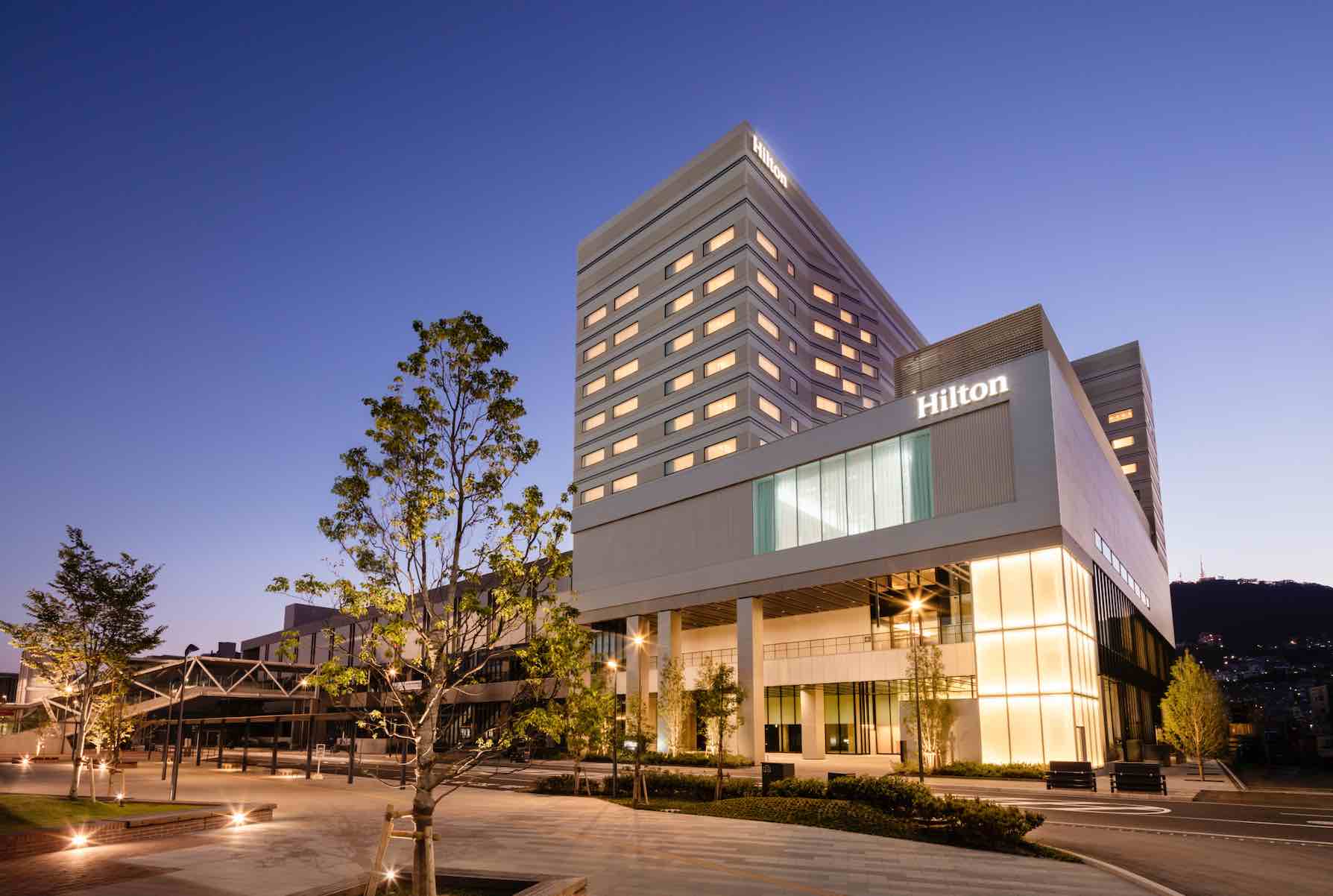
    The opening of Hilton Nagasaki, which marks Hilton’s first hotel in Nagasaki and its second property in the Kyushu region. Directly connected to the new Dejima Messe Nagasaki Convention Centre, Hilton Nagasaki will provide world-class hospitality, accommodation and facilities to leisure and business travellers alike.

    Hilton Nagasaki – Location, Location, Location

    Conveniently located to the west of the Nagasaki Station, Hilton Nagasaki’s central location offers easy access to Nagasaki’s most popular sights and landmarks. Some of these include Mount Inasa, as well as UNESCO World Heritage sites such as the Glover Garden and Oura Cathedral.

    “The opening of Hilton Nagasaki is especially significant as it marks our 500th hotel in the Asia Pacific. Reaching such a milestone during this uncertain time is a testament to Hilton’s resilience and commitment to setting the benchmark for hospitality in the world’s most sought-after destinations,” said Alan Watts, president, Asia Pacific, Hilton. “Nagasaki has long represented a gateway to Japan, and we are delighted to partner with Gloverhill Inc. to bring the first Hilton hotel to the city as we continue to expand our footprint in key destinations across the region.”

    Akiyoshi Matsufuji, president and the representative director of Gloverhill Inc. said, “Nagasaki is undergoing a period of great transformation — one that occurs only every 100 years. This includes the opening of one of the largest convention centres in West Japan, the upcoming launch of the West Kyushu Shinkansen which provides great access to Nagasaki, and the urban redevelopment of the site of the former Nagasaki Prefectural Government Office building. In such a time, we are honoured to manage Hilton Nagasaki and contribute to Nagasaki’s tourism industry. We will work closely with our local partners to offer guests an outstanding experience with hospitality that is truly unique to Nagasaki.”

    Hilton Nagasaki – Accommodations & Facilities

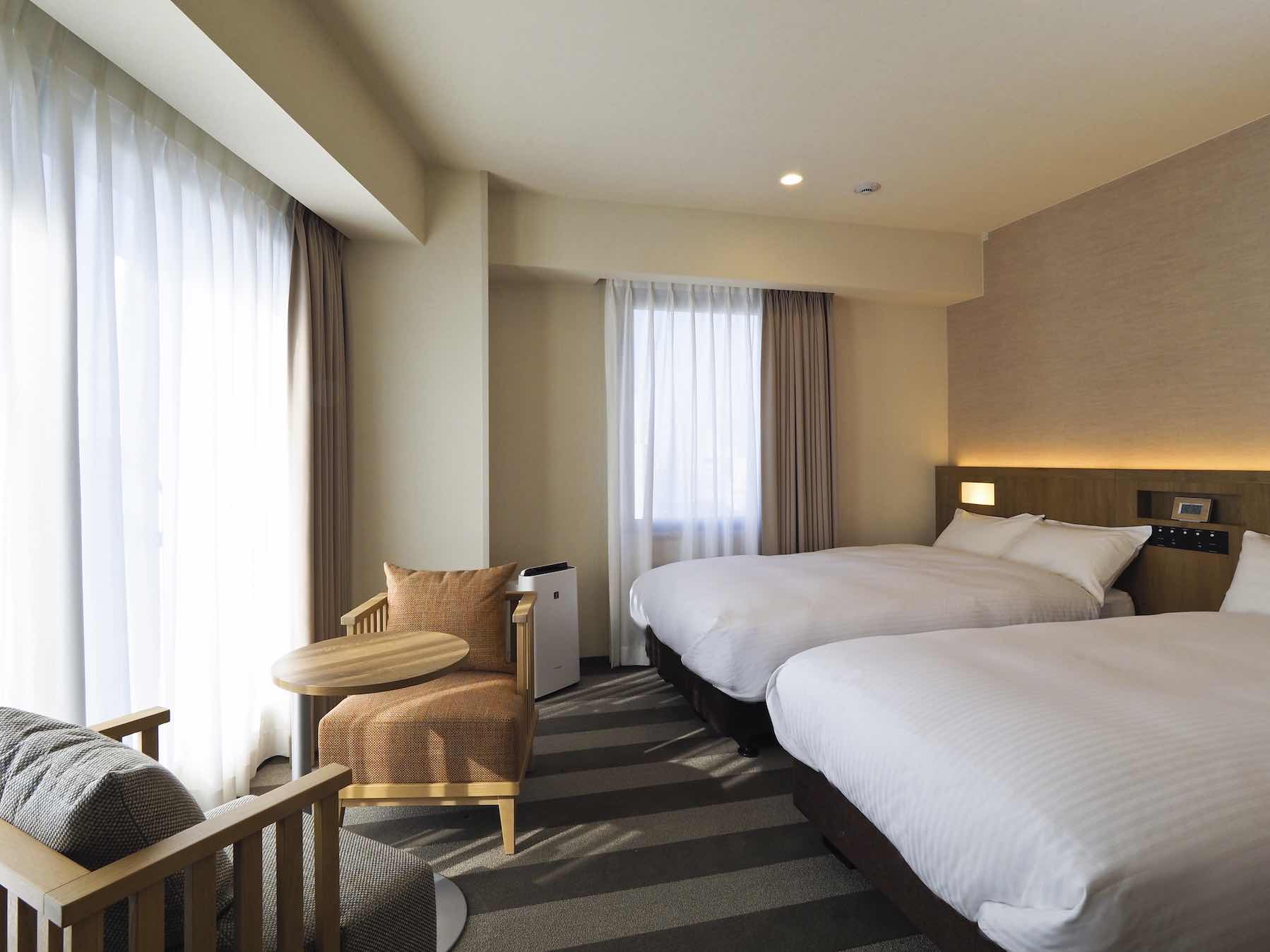
    The 200-room hotel features expansive guest rooms, including four suites that span up to 97 square meters, all of which offer modern conveniences including Digital Key access and TVs which can be connected to smartphones, making the hotel an ideal choice for leisure and business travellers alike. Guests can also enjoy excellent facilities such as an executive lounge for guests staying on the executive floors, flexible banquet spaces, a wedding chapel, a fitness centre, and a hot bath to relax and unwind at.

    Hilton Nagasaki features a modern, contemporary design that draws upon Nagasaki’s rich history and heritage as a trading port city. The cultural inspirations are reflected throughout the hotel’s artwork and design motifs, embracing the city’s local traditional crafts and materials. Surrounded by the sea, the hotel is also designed with a strong maritime influence and evokes a sense of being on a sailing ship, with blue design features woven throughout the hotel to symbolize the sea.

    Hilton Nagasaki – Dining Options

    The design concept extends to the four dining outlets which include:

    Japanese restaurant “Tamatsurumi” serves teppanyaki, tempura and sushi with carefully selected ingredients sourced locally from Nagasaki and other parts of Japan.

    Adorning an impressive red entrance, the Chinese restaurant “Fukukairo”, serves modern Chinese cuisine made with local ingredients from the nearby mountains and sea.

    At the all-day dining restaurant “De Vaert”, guests can enjoy a buffet with a wide variety of seasonal delicacies and dishes that reflect Nagasaki’s food heritage, including a mix of Japanese, Chinese and Dutch cuisine.

    The lounge and bar “Seven Seas” serves afternoon tea and evening cocktails.

    Alexandra Jaritz, senior vice president, brand management, Asia Pacific, Hilton, said “With its strategic location, distinctive design and unique dining concepts coupled with signature Hilton hospitality, I am confident that Hilton Nagasaki will become a key landmark for Nagasaki and redefine the travel experience for guests.”

    Hilton Nagasaki – Safety & Awards

    Utmost priority is placed on safety and sanitization protocols throughout the guest experience. Hilton has introduced Hilton CleanStay, an industry-defining standard of cleanliness and disinfection, which is now present across all Hilton properties around the world.

    The hotel is also part of Hilton Honors, the award-winning guest-loyalty program for Hilton’s 18 distinct brands. Members who book directly on the Hilton website have access to instant benefits, including a flexible payment slider that allows members to choose nearly any combination of points and money to book a stay, an exclusive member discount, free standard Wi-Fi and the Hilton Honors mobile app. Members also have access to contactless technology exclusively through the industry-leading Hilton Honors mobile app, where Hilton Honors members can check-in, choose their room and access their room using Digital Key.

    Hilton Nagasaki is located at 4-2 Onouemachi, Nagasaki, 850-0058, Japan. For more information, or to make a reservation, please visit www.hilton.com/en/hotels/ngsjphi-hilton-nagasaki/  or call +81 95-829-5111.

  • Regent Seven Seas Cruises Showcases Japan-Immersive Itinerary 2023

    Regent Seven Seas Cruises Showcases Japan-Immersive Itinerary 2023

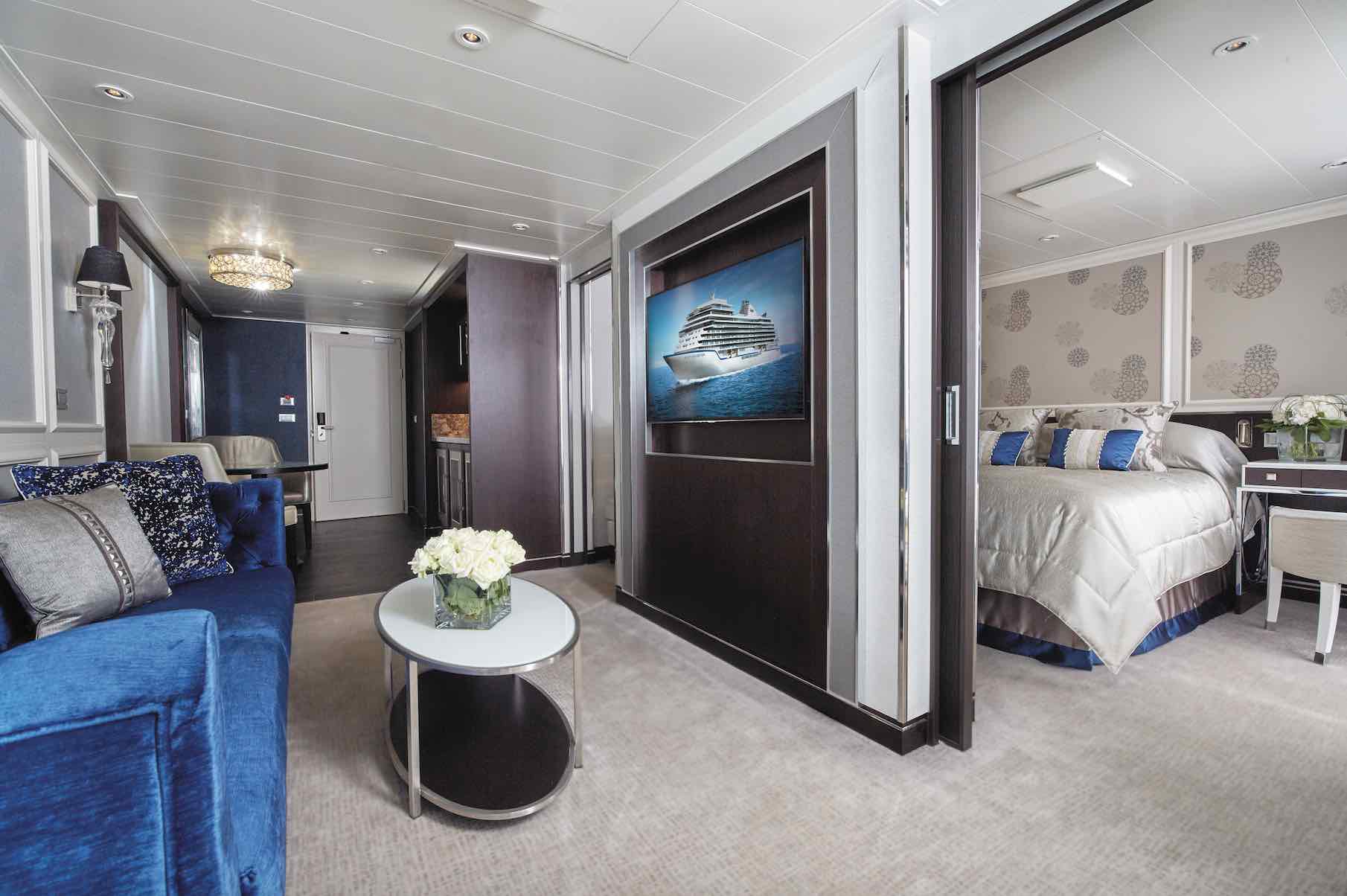
    Regent Seven Seas Cruises®, the world’s leading luxury ocean cruise line, is inviting you to embark on a ‘Captivating Japan’ adventure – delivering immersive destination experiences with a newly added 10-night Tokyo round trip voyage for the ultimate in luxury at sea. ‘Captivating Japan’ is now open for reservations, with embarkation scheduled on 25 April 2023, in all-inclusive luxury with an en-suite experience like no other at sea including private balconies aboard Seven Seas Explorer®, which features extravagantly designed lounges and showplaces, and lavish gourmet restaurants.

    Regent Seven Seas Cruises – Japan-Immersive Itinerary 2023

    The enticing journey is expertly crafted to showcase the most captivating locales of one of the world’s most fascinating destinations, including FREE unlimited shore excursions and the additional luxury of a FREE 3-night Pre- or Post-Cruise Land Programme in Tokyo to explore the wonders of this vibrant city.

    “Launching a new destination discovery voyage is always exciting, and knowing our guests’ strong desire to get back on the oceans, and passion for exploring the world, ‘Captivating Japan’ responds to this spirit of adventure in the unique style and refinement of The World’s Most Luxurious Fleet™,” said Steve Odell, Senior Vice President and Managing Director Asia Pacific, Oceania Cruises and Regent Seven Seas Cruises.

    “Japan is timeless and captivating, and on most of our guests’ bucket lists. At Regent Seven Seas Cruises, we pride ourselves on exceptionally rich and vibrant in-depth exploration, with the wonderful opportunity to enjoy FREE unlimited shore excursions in every port, something that makes exploring this part of the world so breathtaking.”

    Regent Seven Seas Cruises – Journey & Highlights

    The start and end of this adventure is Yokohama (Tokyo), taking in iconic sights and experiences from the 7th-century Sensoji Temple in Asakusa, to Odaiba Observation Deck, located in the headquarters of Fuji Television, for a spectacular bird’s eye view of the amazing city, and world-famous Ginza, the premier shopping and entertainment district.

    During Regent’s free pre- or post-voyage land programme, discover fascinating ‘shogun’ history and Japan’s rich tradition of art at superb museums, stroll beautiful gardens and explore Asakusa, Tokyo’s Old Town founded in the early 7th century.

    A highlight is a walk down Nakamise-dori, known as the “Street of Inside Shops,” an alley lined with vendors selling traditional food, souvenirs and handmade crafts. The National Museum of Nature & Science chronicles the history of Japan, Imperial Palace Plaza takes you inside the home of Japan’s emperor and empress, and Meiji Shrine in a dense forest glade of some 120,000 trees of 365 different species in the very heart of Tokyo, is dedicated to Emperor Meiji, the father of modern Japan.

    You will also have ample time to sample not-to-be-missed sushi haunts, tea houses and sake bars. Especially recommended is Jiro, a national treasure and renowned sushi master, and savouring fresh, delicious sushi at Tsukiji, which is the original home to the world’s largest seafood market.

    For an exceptional sake experience, Hasegawa Liquor Store is a must, and for a flavour of Japanese whisky, Nikkabar, located in the basement of Nikka’s headquarters, is worth a visit. Meanwhile, authentic Japanese casual dining can be enjoyed at ‘izakaya’ bars, famed for after-work beers and grilled yakitori skewers. And for art lovers, Japanese ‘ukiyoe’ prints are highly sought-after and can be browsed at galleries in Ginza as well as Kamakura and Zojoji, featured in the TV series Tokaido 53 Stations.

    Docking at Kobe, visit breathtaking temples and shrines of Kyoto, Japan’s old imperial capital, and ancient Nara, the cradle of Japanese arts, literature and crafts, with its magnificent shrines and temples, and park famed for resident deer. After a tour of Osaka’s imposing castle, bring home exotic mementos such as silks, ceramic teapots, paper parasols, superb artworks and pottery.

    The lively port of Shimizu is the gateway to magnificent Mount Fuji, and home to the Shimizu Sushi Museum and Kashi-no-Ichi seafood market. Meanwhile, guests sailing South Korea on this destination-immersive voyage can explore the beautiful beaches of Busan, also known as “the summer capital”.

    Japan’s southernmost major city Kagoshima is nicknamed the “Naples of the Eastern World” beneath majestic Mt Sakurajima, one of the world’s most active volcanoes. The city abounds in historic sightseeing spots such as the memorial site of St. Francisco Xavier, who first introduced Christianity to Japan.

    Regent Seven Seas Cruises – Experiences Onboard

    The elevated Regent experience continues aboard with Unrivalled Space At Sea, highly personalised service, free unlimited shore excursions, exquisite cuisine in specialty restaurants, fine wines and spirits, entertainment, unlimited internet access, valet laundry, transfer between hotel and ship, pre-paid gratuities and pre-cruise hotel packages if you are staying in Concierge-level suites and higher – all included in the fare.

    Regent Seven Seas Cruises® is also sailing 14-night cruises from Hong Kong to Tokyo in 2023, with stopovers in Taipei, Sakishima Islands, Shanghai, Seoul, Kochi and Kyoto. For more information, please visit RSSC.com.

  • Takayama-Hokuriku Area Tourist Pass – Discover Central Japan Region

    Takayama-Hokuriku Area Tourist Pass – Discover Central Japan Region

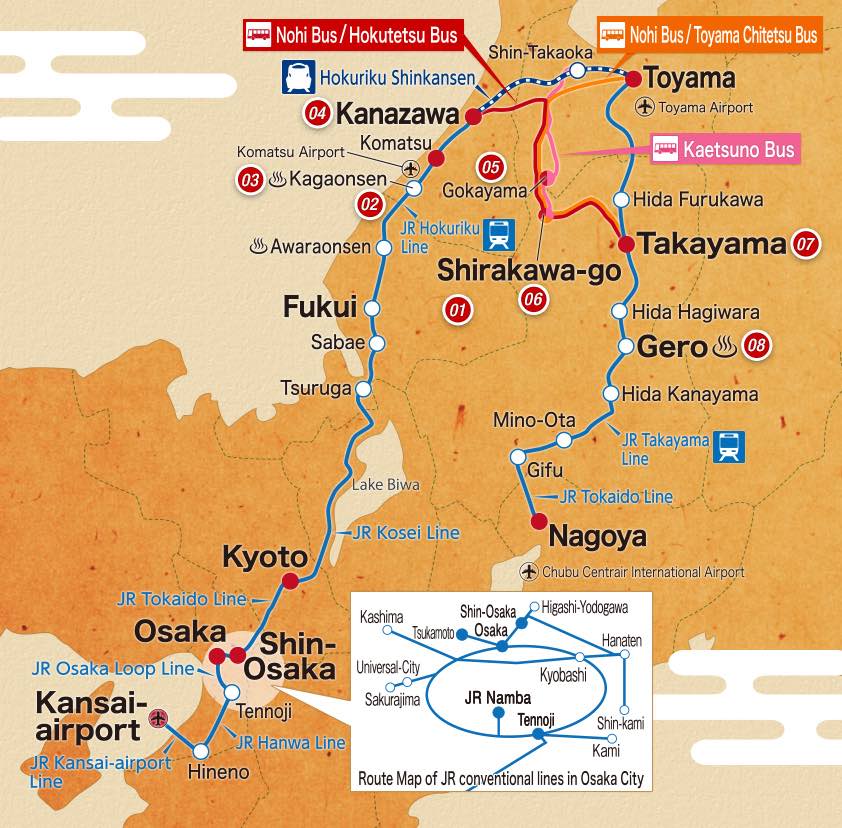
    The Central Japan Region is a year-round destination that offers an abundance of nature and delicious food every season. Plan your next winter holiday in Central Japan by using the Takayama-Hokuriku Area Tourist Pass to enjoy five days of unlimited rides on designated JR local and limited express train, the Hokuriku Shinkansen, and buses within the Central Region. You can check some of their highlight spots here https://bit.ly/3bbq9Yy Here is a sample itinerary that can help you get the most value out of your Takayama-Hokuriku Pass:
    Day 1

    Nagoya Marriott Associa Hotel 

    Directly connected with the JR Nagoya station, this 4-star hotel’s service exceeded expectation, with everyone being very customer oriented, comfortable and modern hotel room and maybe the best breakfast station I have ever tried. Local dishes from Kishimen, Miso Katsu or the rare find Roasted Ham of the pork from Mikawa, Aichi Prefecture are freshly made and served directly.

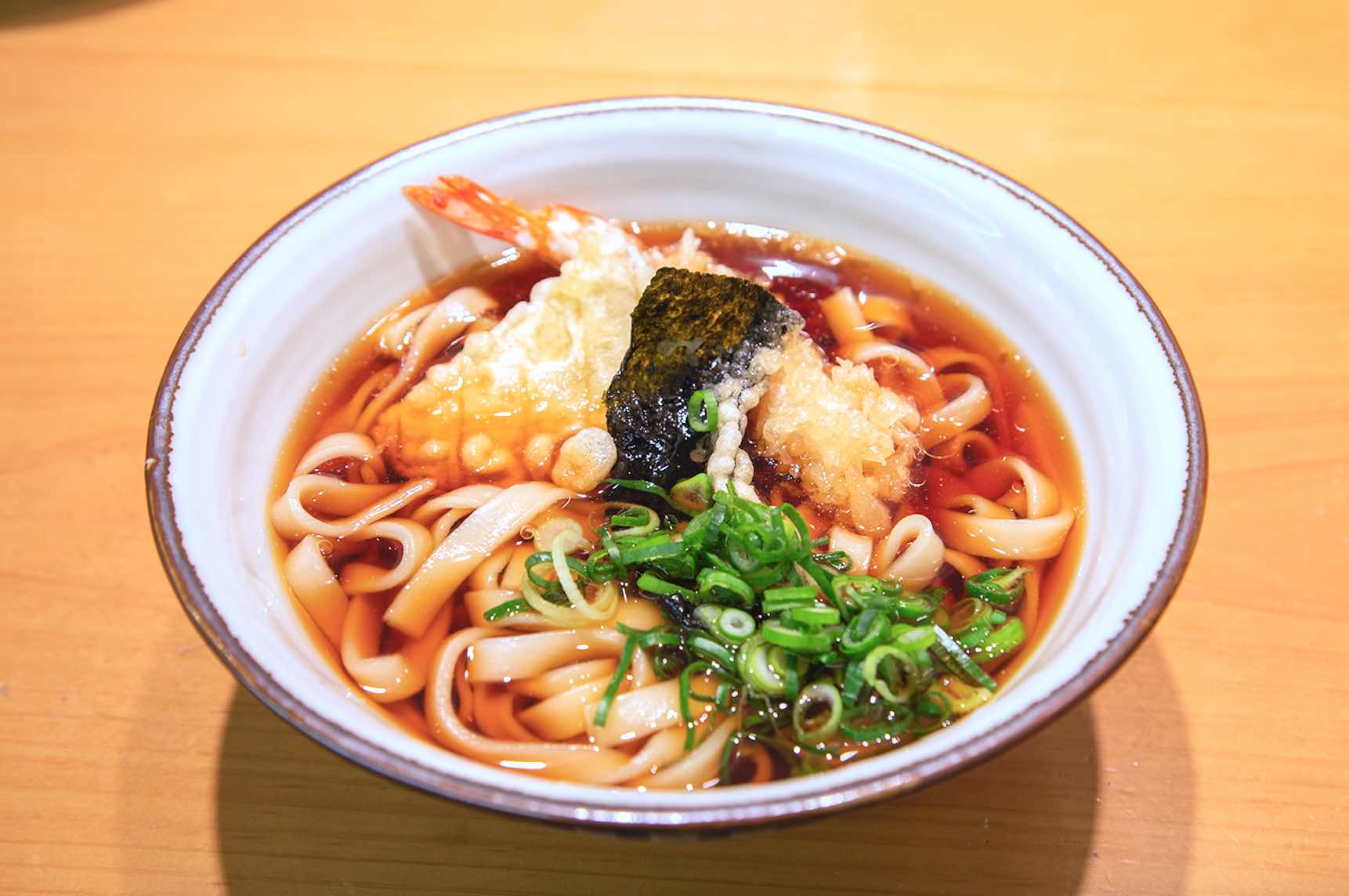
    Nagoya-meshi (Kishimen) 

    Tasting various cuisines in different areas of Japan is one of the most anticipated activities of any tourist visiting the country. That’s why after dropping our things at the hotel, we immediately went to try one of Nagoya’s specialty cuisines – kishimen. Kishimen is a noodle dish known for its hirauchi (flattened) noodles made from wheat flour, water, and salt. However, don’t be fooled as not all flattened noodle dishes are considered kishimen. By Japanese standards, only noodles with a width wider than 4.5mm and thickness of less than 2.0mm can be called kishimen. For those who are not a fan of miso, kishimen can also be enjoyed with pasta sauce, hot soup, or cooled, just like regular udon.
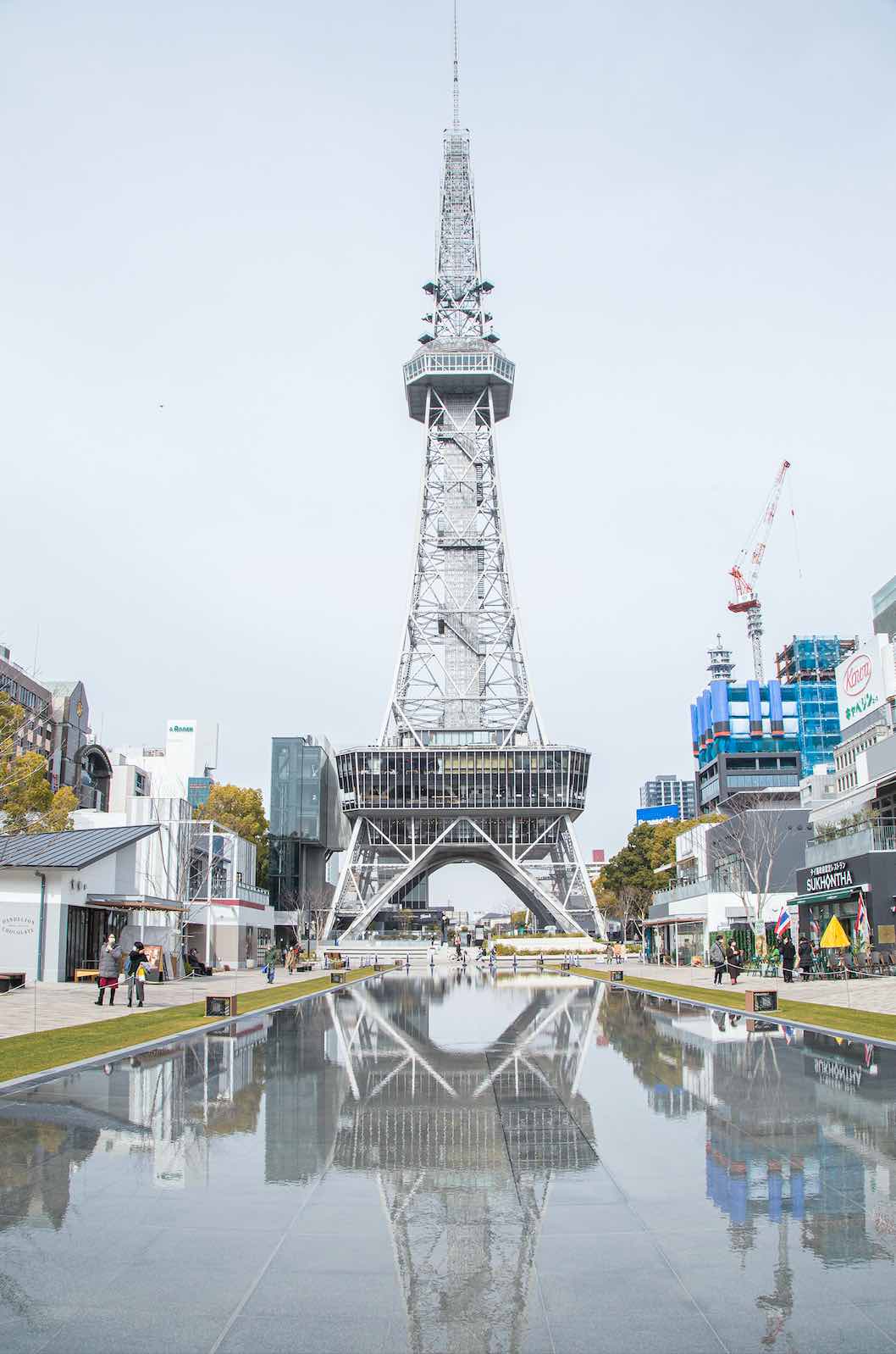
    Nagoya TV Tower and Hisaya Odori Park 

    From Nagoya Station, we took a 10-minute subway ride to see the Nagoya TV Tower, which is only a few minutes’ walk from Oasis 21. The tower was originally built to mark the reconstruction of the city after the second world war and to promote tourism and TV broadcasting in Nagoya at the time. In 2005, it was recognized as one of Japan’s tangible cultural property, a recognition given to tangible cultural products that possess high historic, artistic, and academic value to Japan.

    After being renovated, from the end of September 2020 the vast area near Nagoya TV Tower, Hisaya Odori Park, has become the most fashionable and artistic spot in Nagoya City. There are plenty things to do within 4 areas, one can do café tour with popular name such as ESPRESSO D WORKS, FabCafe to Korean famous café de Paris, do some shopping or just enjoy the greenery with the Nagoya TV Tower on the background.
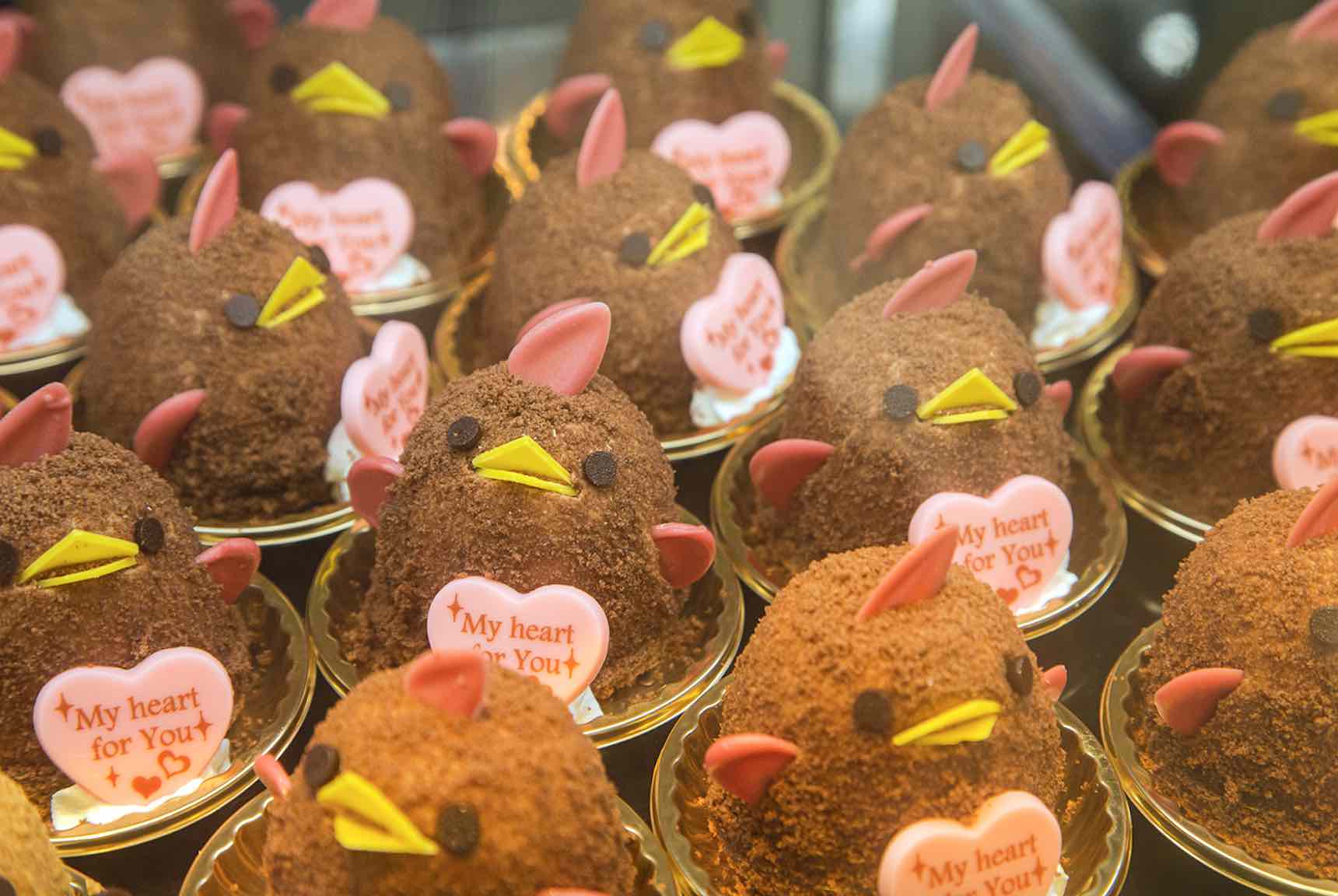
    Café Gentiane (Piyorin)

    Can be found in JR Nagoya Station, Cafe Gentiane is home of the adorable and delicious chick shaped Piyorin cake with pudding inside. Each of the cake is handmade using Nagoya Cochin eggs under the skillful hands of the artisans. At this store, one can choose to try immediately at their café or bring back home to enjoy. One cake is at around ¥380.

    This is the valentine version with chocolate filling, don’t you think that pink heart is too cute?
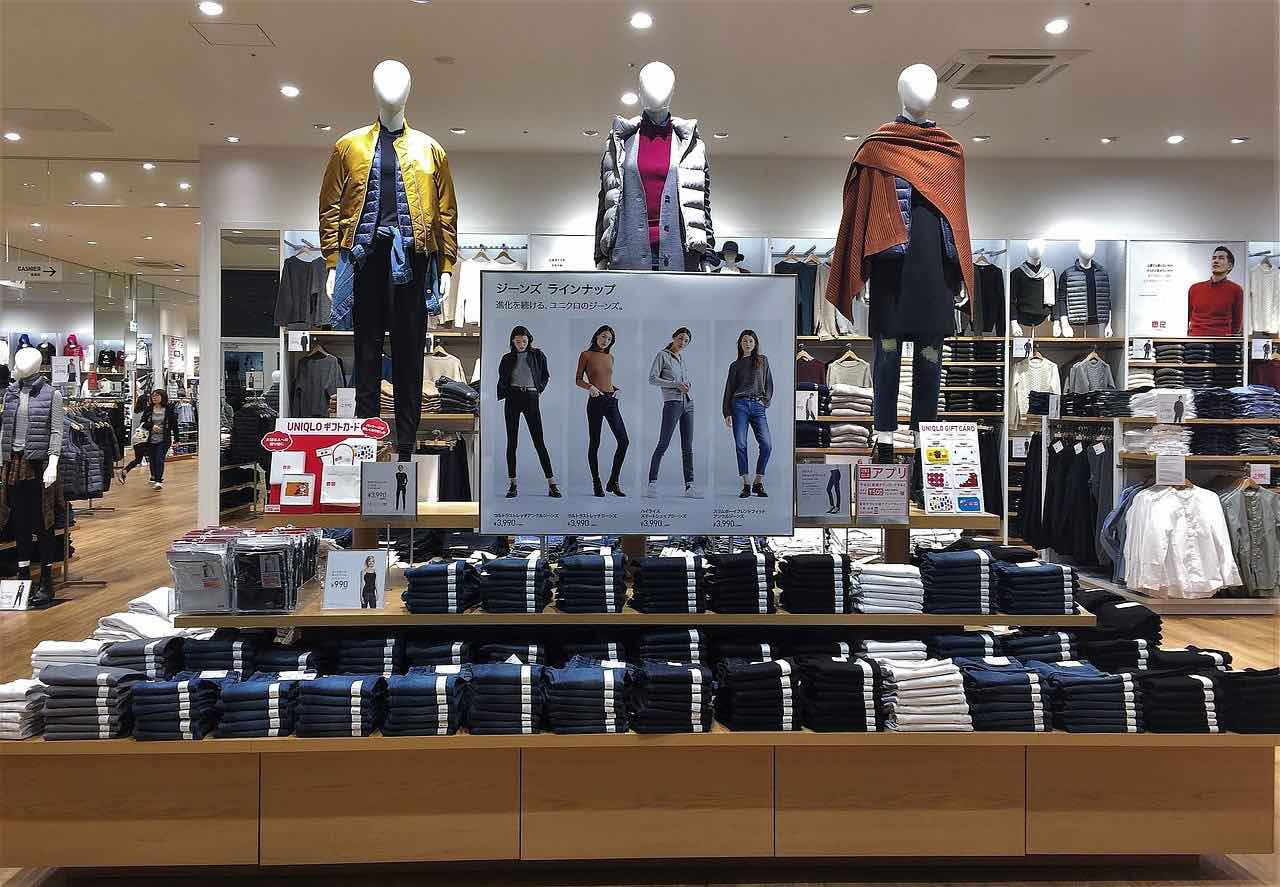
    Shopping (Uniqlo, Bic Camera)

    Located on the 9th and 10th floor of the JR Gate Tower is Bic Camera. Bic Camera has a wide selection of electronics, game software, and even alcoholic beverages available for purchase. If in the mood for shopping for clothes, just go up one floor to get to Uniqlo, and its slightly cheaper-priced sister company, GU, to start rocking that Japanese-style fashion!

    *Note: Leave your luggage at hotel and pick them up before moving to Takayama
    Hodakaso Yamano Hotel 山のホテル

    For the night, we stayed at the Yamano Hotel, a ryokan in the middle of the mountainous area. The highlight of the night is their outdoor bath located outside of the hotel. Take a cable car and go to the ground, there is a wide hot spring bath in the wood where you can enjoy nature. You shouldn’t miss the dinner with Hida beef too!

    Day 2

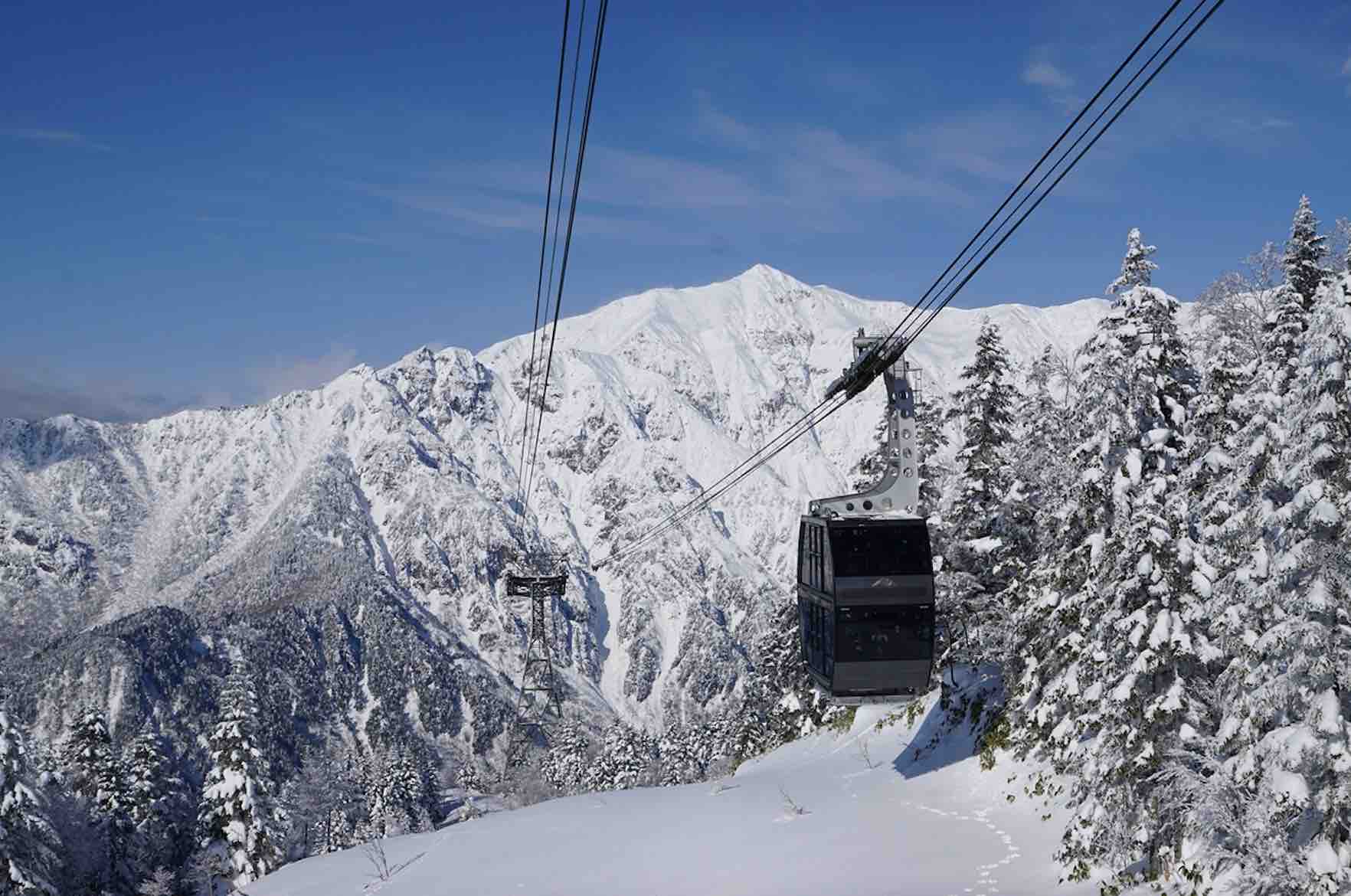
    Shinhotaka Ropeway

    Shinhotaka Ropeway is the only double-decker ropeway in Japan. If you go to Central Japan in winter, you sure don’t want to miss out on viewing the magnificent Japanese Alps Mountain Range. At the rooftop observatory deck located in the upper station (Nishihotakaguchi Station) at an altitude of around 2,156 meters, you can enjoy a 360-degree panoramic view of the surrounding mountains and valleys covered by the white snow.

    There is also a bakery located on the 2nd floor of Shirakabadaira Station where you can eat crispy croissant and enjoy a cup of hot drink.
    Takayama Ramen 

    Then we back to Takayama for lunch and move on with our trip. We tried the Takayama ramen or locally known as “Chuka Soba”. The soba has base broth made with bones, vegetables, and katsuobushi (dried bonito flakes) is enriched with soy sauce and miso. Both the soba and base broth are handmade with different style representing each restaurant. I had a bowl of char siu toppings while my friend had another with raw eggs.

    Takayama Sanmachi Suji District (Sanmachi Traditional Buildings Preservation Area)

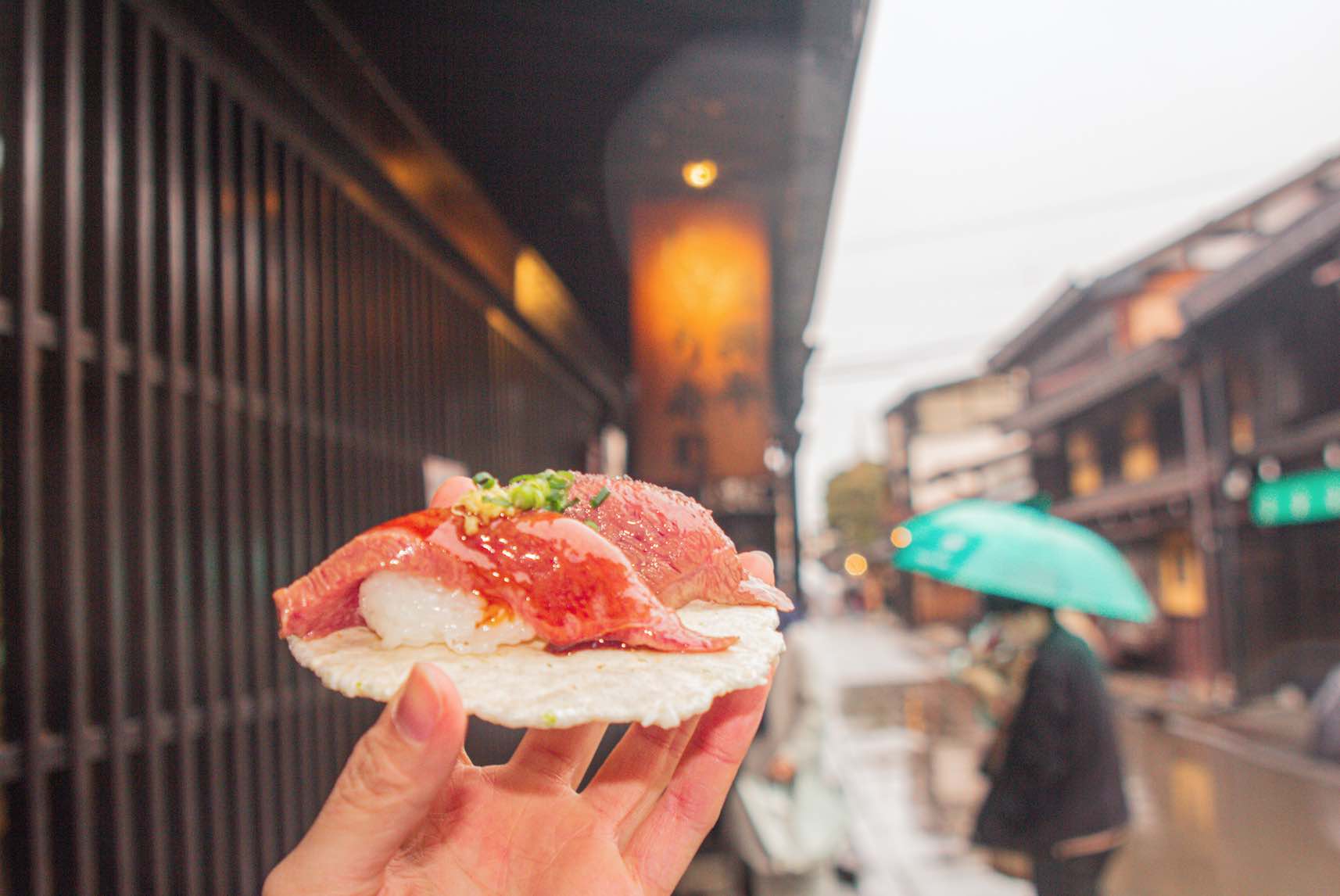
    In the afternoon, we go for a walk around the Sanmachi Suji District. Located near the Miyagawa River, the old town of preserved and restored remnants remained from the Edo period lets you soak in a historic atmosphere surrounding by numbers of historical buildings. Add up to your stroll with a piece of Hida Beef Nigiri or Hida beef skewers.
    Hida beef

    While in the Central Japan region, you should also try their famous Hida beef. Hida beef refers to the Kuroge Wagyu breed of cattle raised in Gifu Prefecture known for its high quality, with beautiful marbling, colour, texture and taste. It is said to be one of the best beef brands in Japan so it is definitely a must try delicacy.

    “But I can’t afford such a high-class beef”

    Oh, but you can! Although kuroge wagyu is considered to be a high-class beef, it is also a popular ingredient in many “B-class” Japanese gourmet cuisines. In Takayama, you can have a Hida beef croquette for as low as 250 yen! Hida beef can be enjoyed in a steamed bun, broiled skewer, or as a sushi.

    Shirakawa-go 

    From Takayama Station, we took the Nohi bus direct to Shirakawa-go Village, which is probably the most popular destination in the Central Japan region. This route is the most preferred access mode to Shirakawa-go and is usually sold out, especially in the winter, so it’s better to reserve your tickets beforehand. Tickets can be exchanged at Nohi Bus Center right next to Takayama Station.

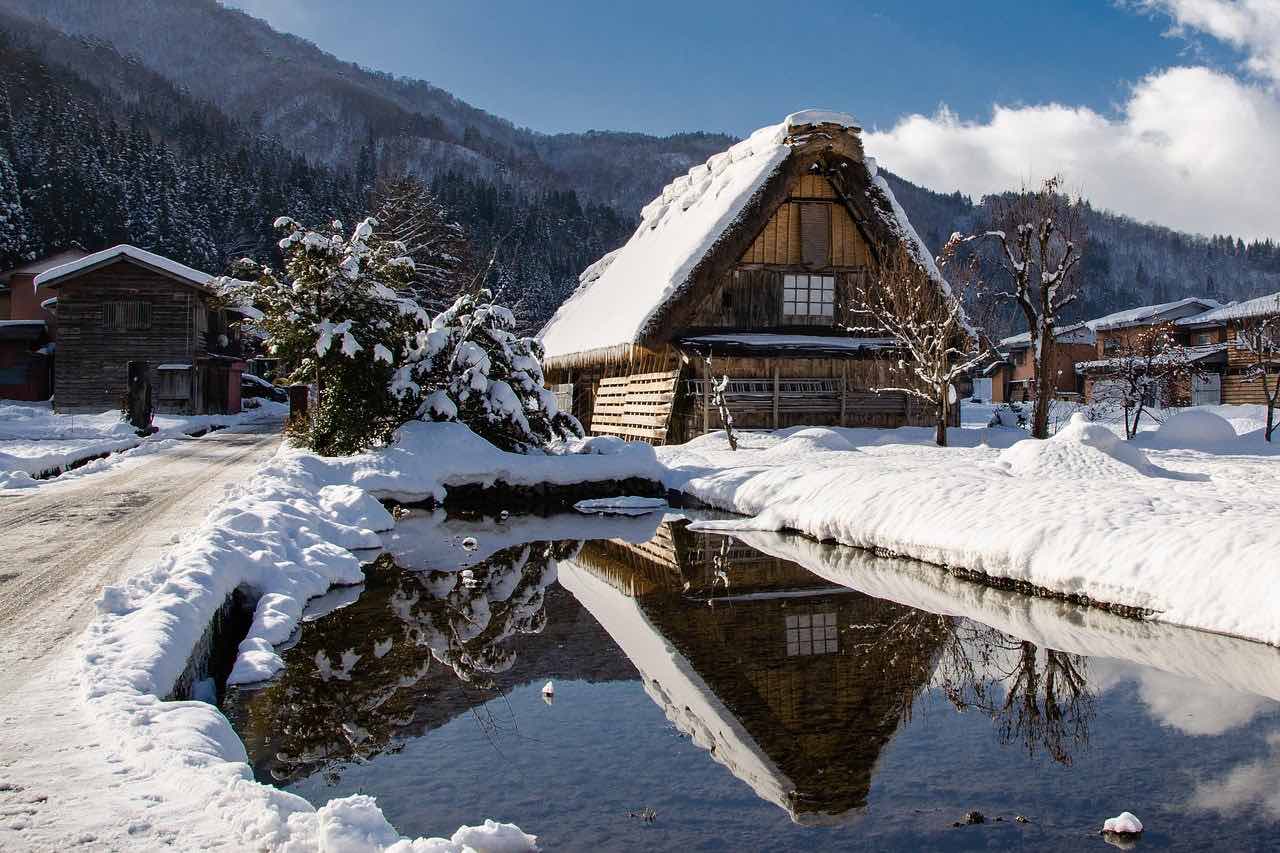
    A must-see UNESCO World Heritage Site in the Gifu Prefecture, Shirakawa-go is famous for its traditional gassho-zukuri villages, whose roofs are constructed at a steep angle to protect houses from heavy snow during the winter. While mostly known for the snow-covered houses during winter, Shirakawa-go offers wonderful views in every season so make sure to visit this place during different times of the year to feel each season’s unique charm.

    A five-minute shuttle ride for 200 yen (one-way) or a 25-minute walk up the mountain will lead you to an observation deck overlooking the whole area. This is the place where many famous Instagramer got their breathtaking photo of the village.
    *Note: You can put your luggage at the coin lockers or luggage room near Shirakawago Bus Terminal.. They are located at the back of the room or come to ask the staffs for that.

    Takaoka City 

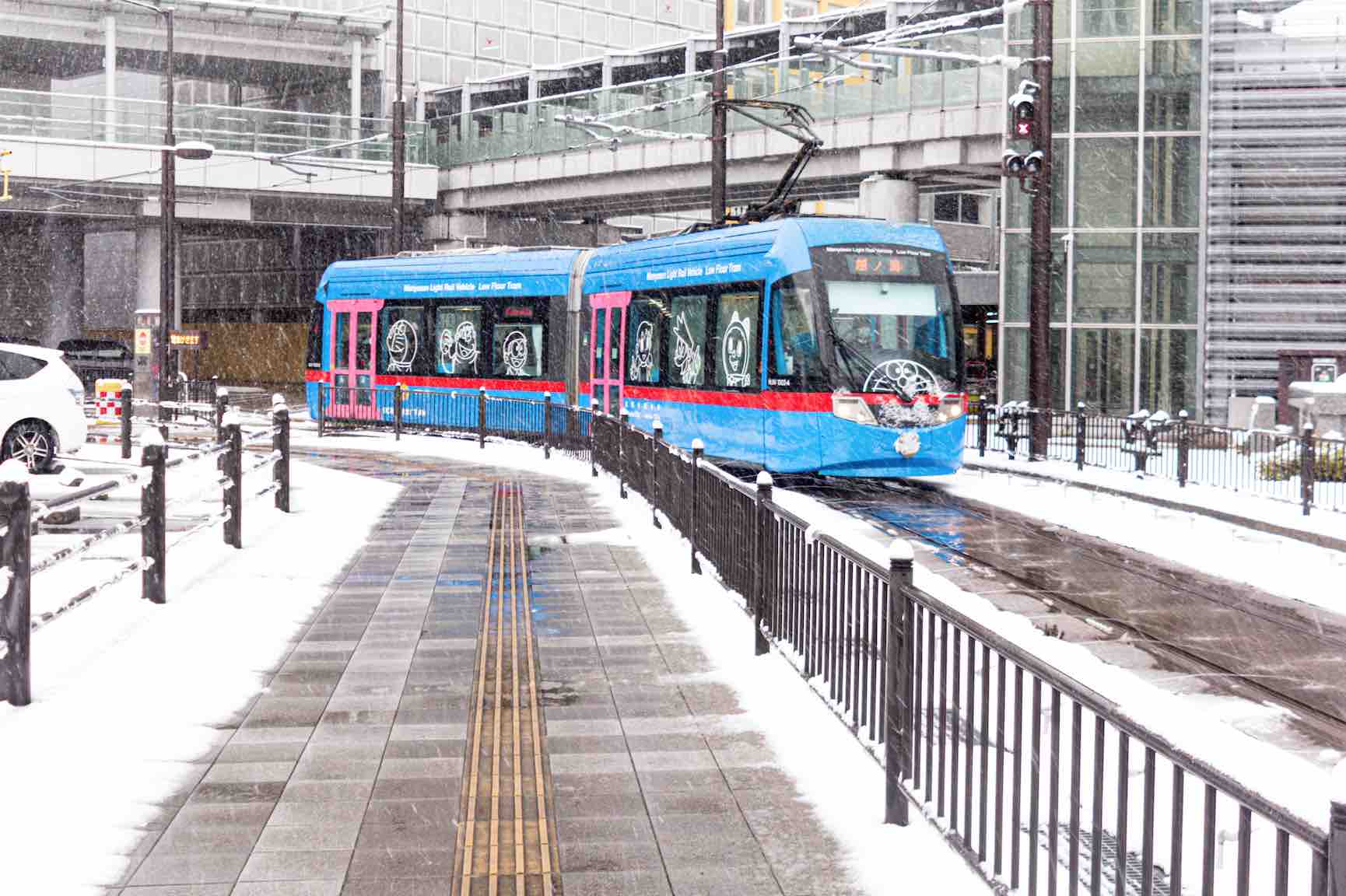
    After enjoying Shirakawago, we took the World Heritage Bus to move to another city in the trip, Takaoka City. This is the hometown of Fujiko F. Fujio, father of Doraemon, so one can find various places related to the characters.

    Doraemon Tram

    We took the Doraemon Tram to go eat dinner at a famous local sushi restaurant. Do you want to take a ride with your childhood friends?
    Toyama Sushi (Dinner) 

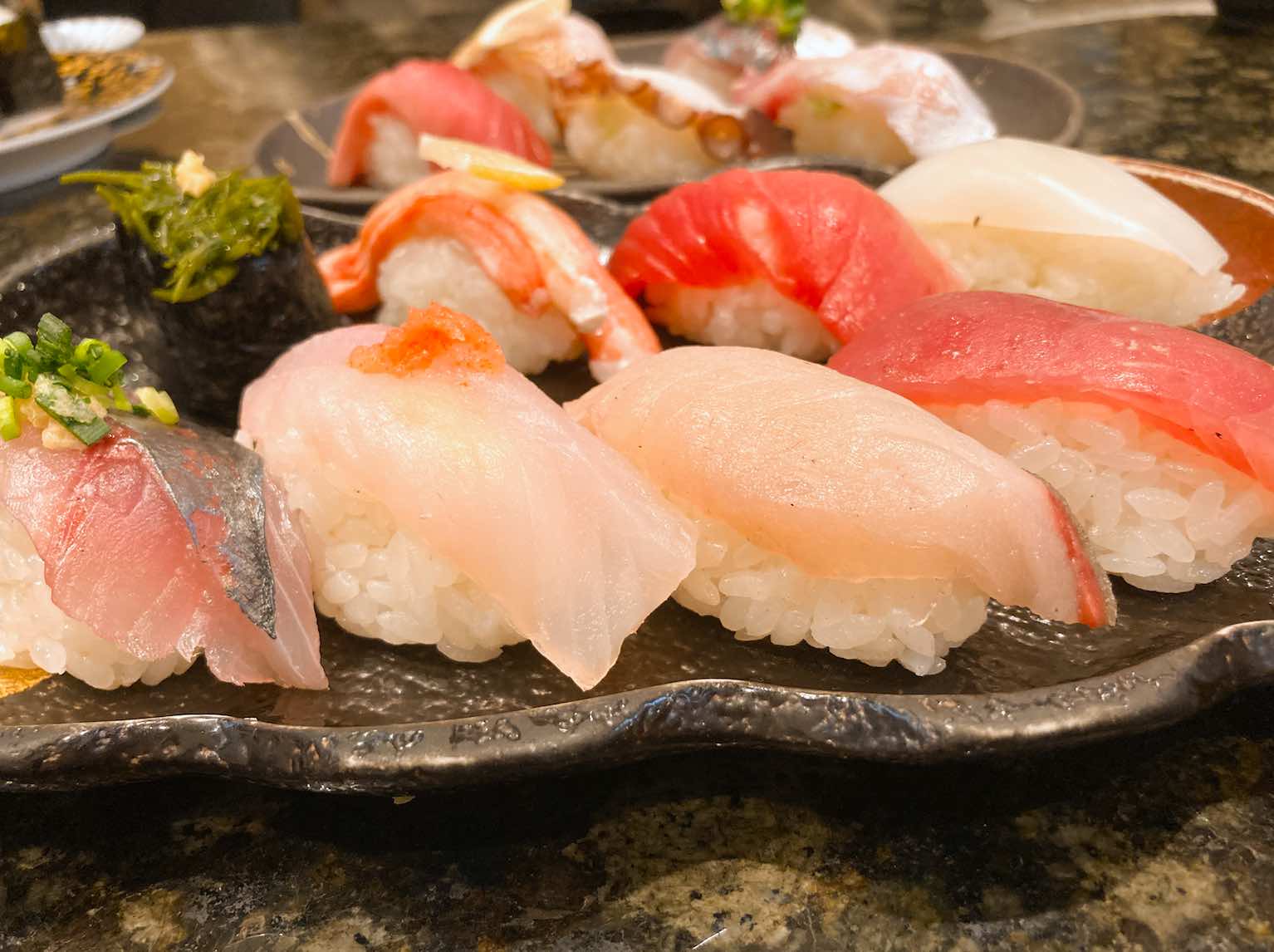
    Toyama is located near the sea and is therefore abundant with fresh seafood products. Don’t miss to enjoy the freshest ingredients that landed directly from the sea at one of the restaurants located on Toyama Bay. The place we ate was iki-zushi氷見寿司, well known within locals. One of the must-try dishes is the white shrimp (Shiro-ebi). They are sweeter and much smaller than the normal one. I had a piece of white shrimp nigiri and white shrimp tempura.
    Day 3

    Shogawa Gorge, Toyama

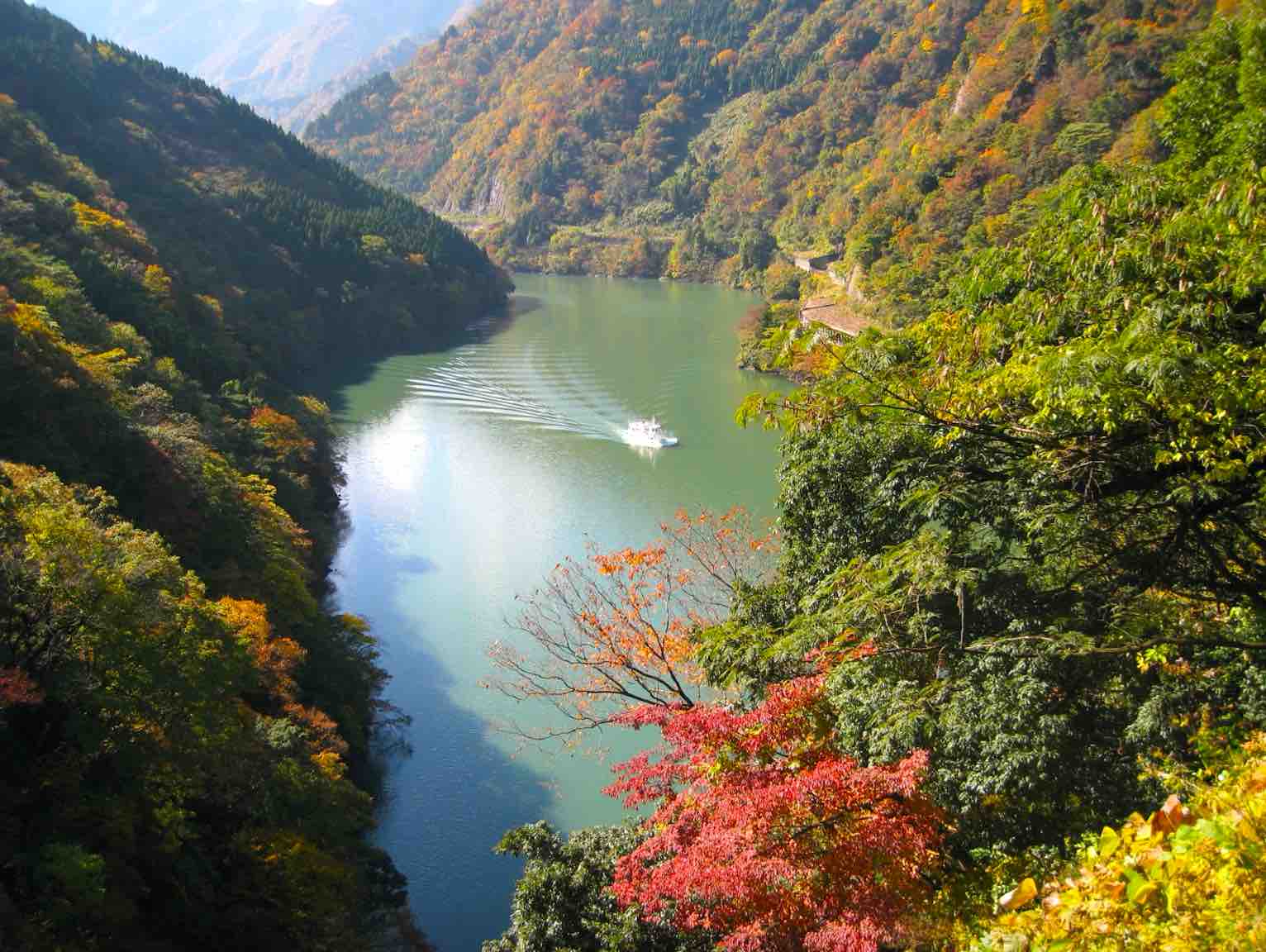
    In the morning, we took a bus from Takaoka Station going to Shogawa Gorge for a relaxing boat cruise. For just 2,800 yen, you can enjoy the spectacular view of Shogawa Gorge by riding a sightseeing boat that operates on the Shogawa Gorge between Komaki Dam and Omaki Onsen.

    The soothing one-hour cruise along the Shogawa gorge offers varying but equally breathtaking views all throughout the year. In winter, you can see the mountain covered in snow while flowers in full bloom adorn them in spring. The summer season highlights the mountains’ lush greenery and in autumn, you get the best seat in enjoying Japan’s autumn leaves.
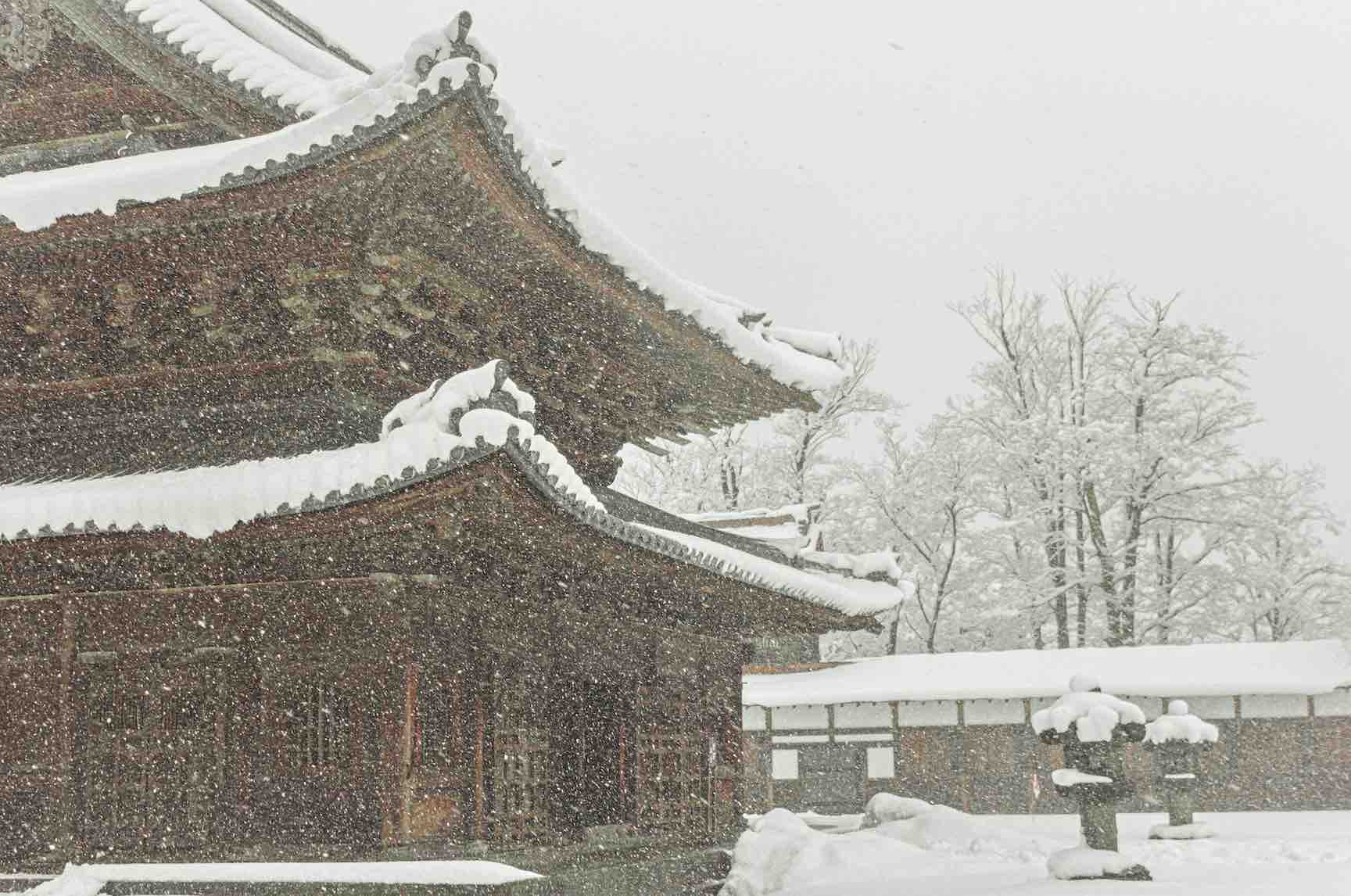
    Zuiryuji Temple 

    After finishing the sightseeing boat, we went back to visit the Zuiryuji Temple in Takaoka city and have lunch. It has been designated as a National Treasure and is a must-see attraction during a visit to this pleasant town in the Central region of Japan. The main gate, main hall, and Dharma hall stand in a line, and the temple buildings are laid out symmetrically left and right, interconnected by roofed passageways in a beautiful and powerful sight.
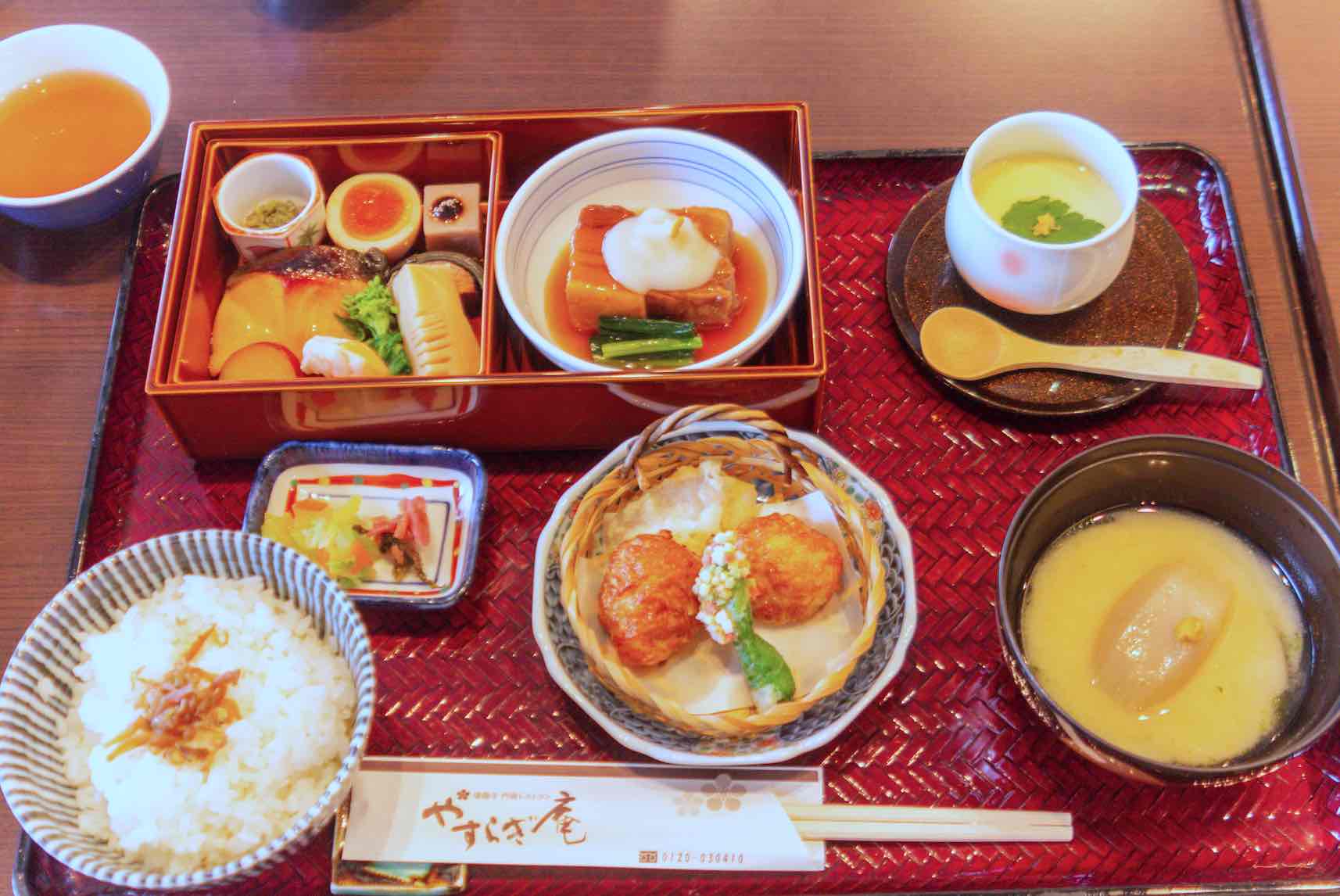
    We ate lunch at Yasuragi-an where they served seasonal dishes. The dishes for February using fresh vegetables and seafood.
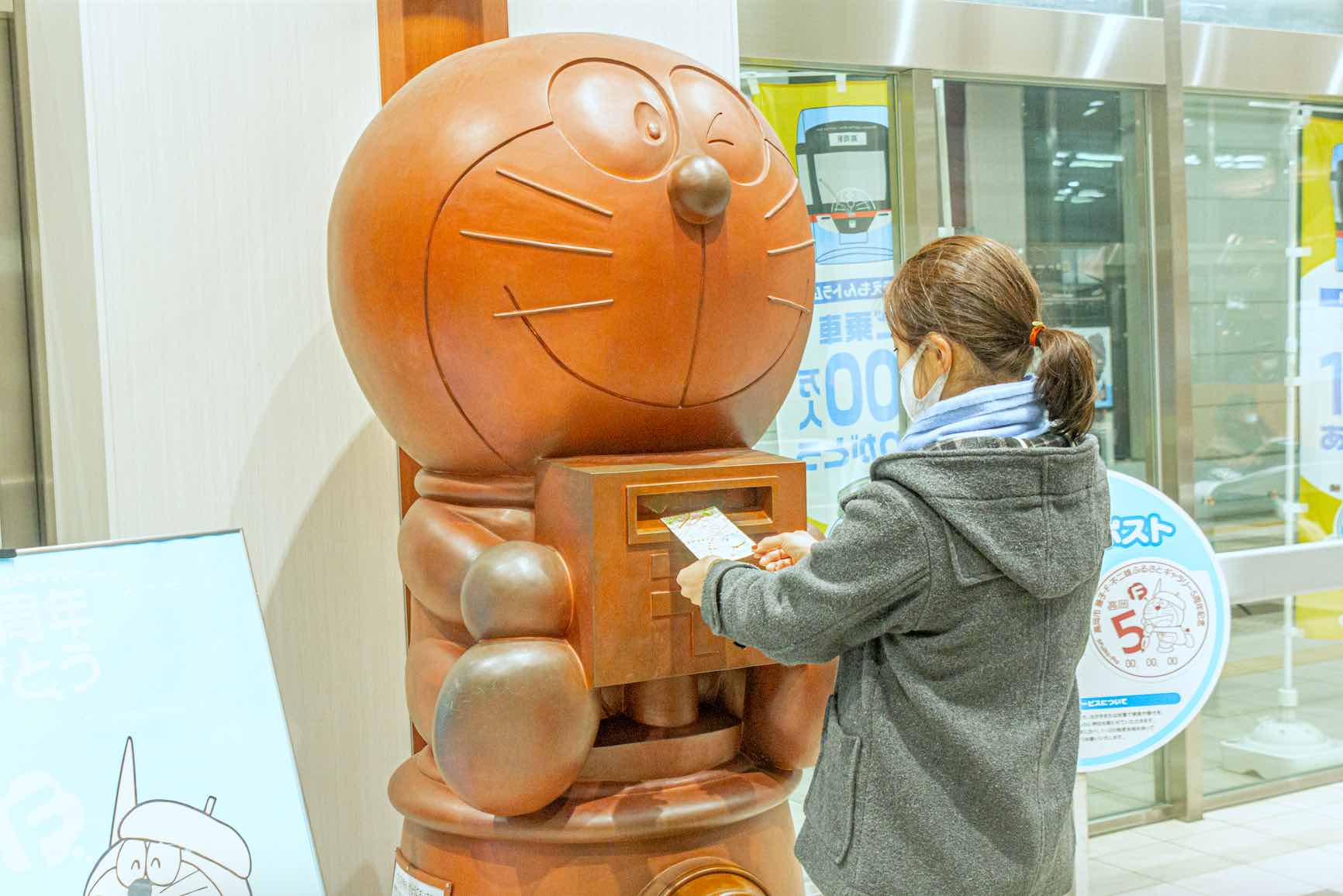
    Doraemon Postbox Takaoka Station

    After seeing the Temple we took the bus heading back to Takaoka Station to go to our next destination. We were welcomed by a slightly familiar cat. This giant copper made Doraemon postbox is considered one of the icons of Takaoka City, which happens to be the birthplace of the manga artist that brought Doraemon to life. Located on the first floor of the Takaoka Station building, letters and postcards dropped in this postbox is stamped with a commemorative Doraemon postmark. Why not send yourself and your friends a postcard to commemorate your visit to Doraemon’s birth town??
    Handcraft Experience at Nousaku Factory, Takaoka City 

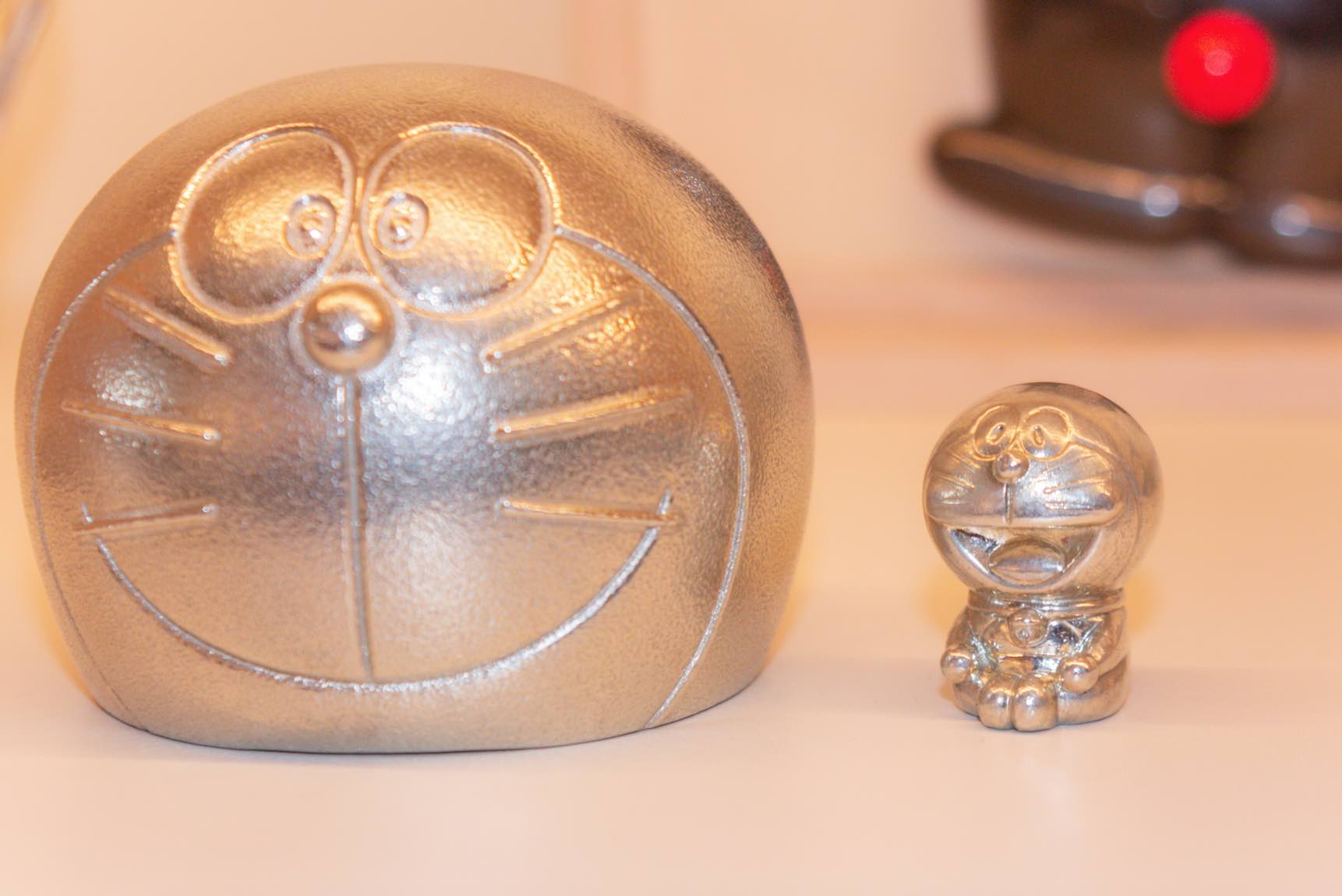
    From Takaoka Station, we went back to hotel to take our luggage and then took a taxi to Nousaku Factory for a little cultural immersion. Takaoka City is historically known as a center of metal casting, and this industry still thrives in the city today. Take a look at their cute Doraemon collections! Afterwards, we tried making our very own tin item by joining a workshop at the Nousaku Lab.
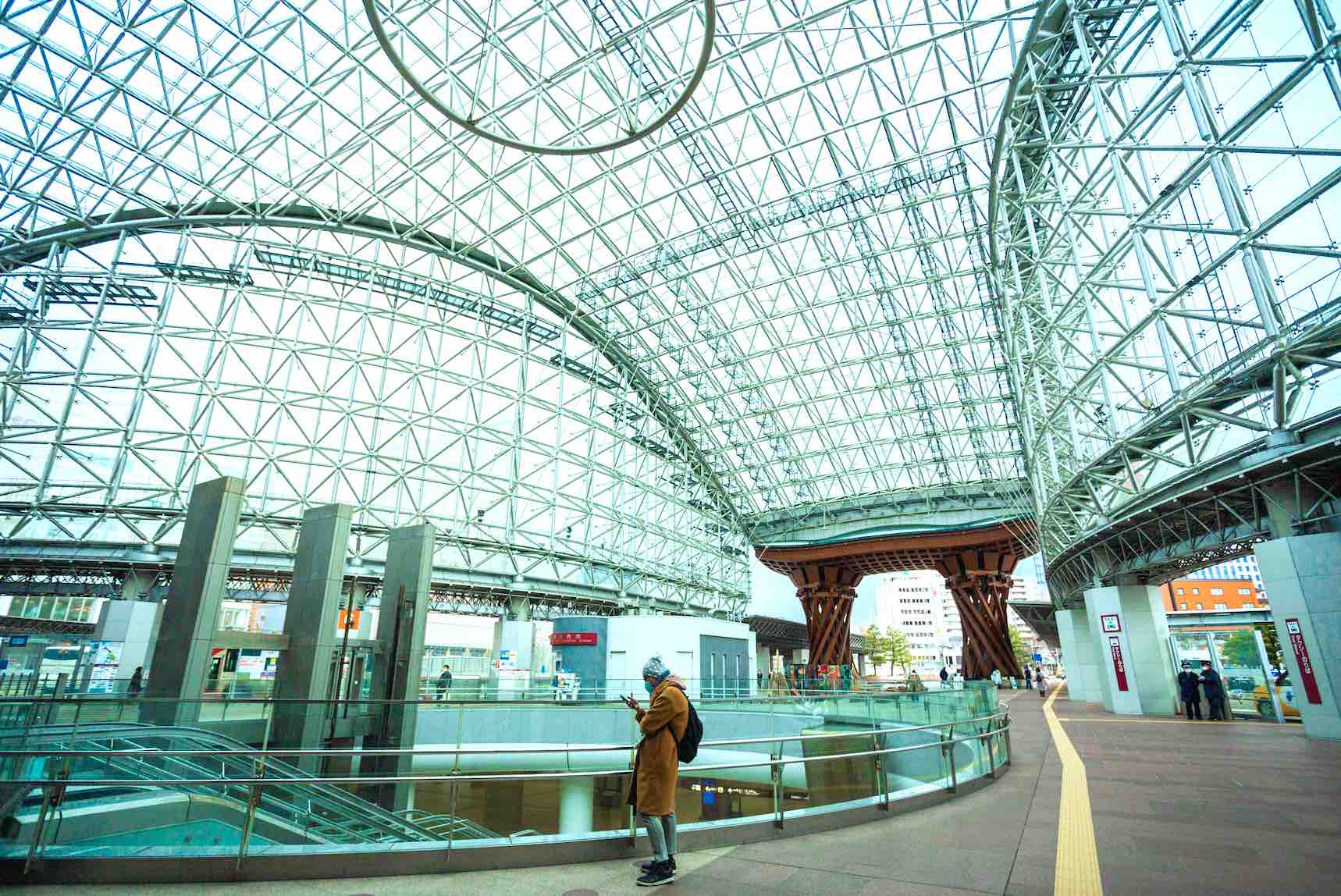
    Kanazawa Station, Tsuzumi Gate 

    After visiting Nousaku Factory, we moved to Shin Takaoka station to catch the Hokuriku Shinkansen toward Kanazawa City. This trip is already covered by the Tourist Pass.

    Look at the huge Tsuzumi Gate, designed to symbolize the drums played in Noh Theater, welcoming us at the station here. It is said to be an unofficial symbol of Kanazawa and famous for being a combination of traditional wooden design and contemporary style.

    Kagaya 

    At Kagaya, we had Ozen set with dishes made by seasonal ingredients unique to the local area. A tray with sushi, miso soup and some other traditional dishes were served.

    Hotel Wing International Premium Kanazawa Ekimae

    We stayed at the Hotel Wing International Premium near Kanazawa Ekimae. It is a fairly new hotel with stylish design.

    Day 4

    Kanazawa City 

    The fourth day is a day for Kanazawa when we can leisurely enjoy the whole city. Kanazawa is an old castle town, well-known for its well-preserved Edo-era districts, art museums, magnificent garden and regional handicrafts. Here one can try both some modern experience while enjoy its beauty from the old days.
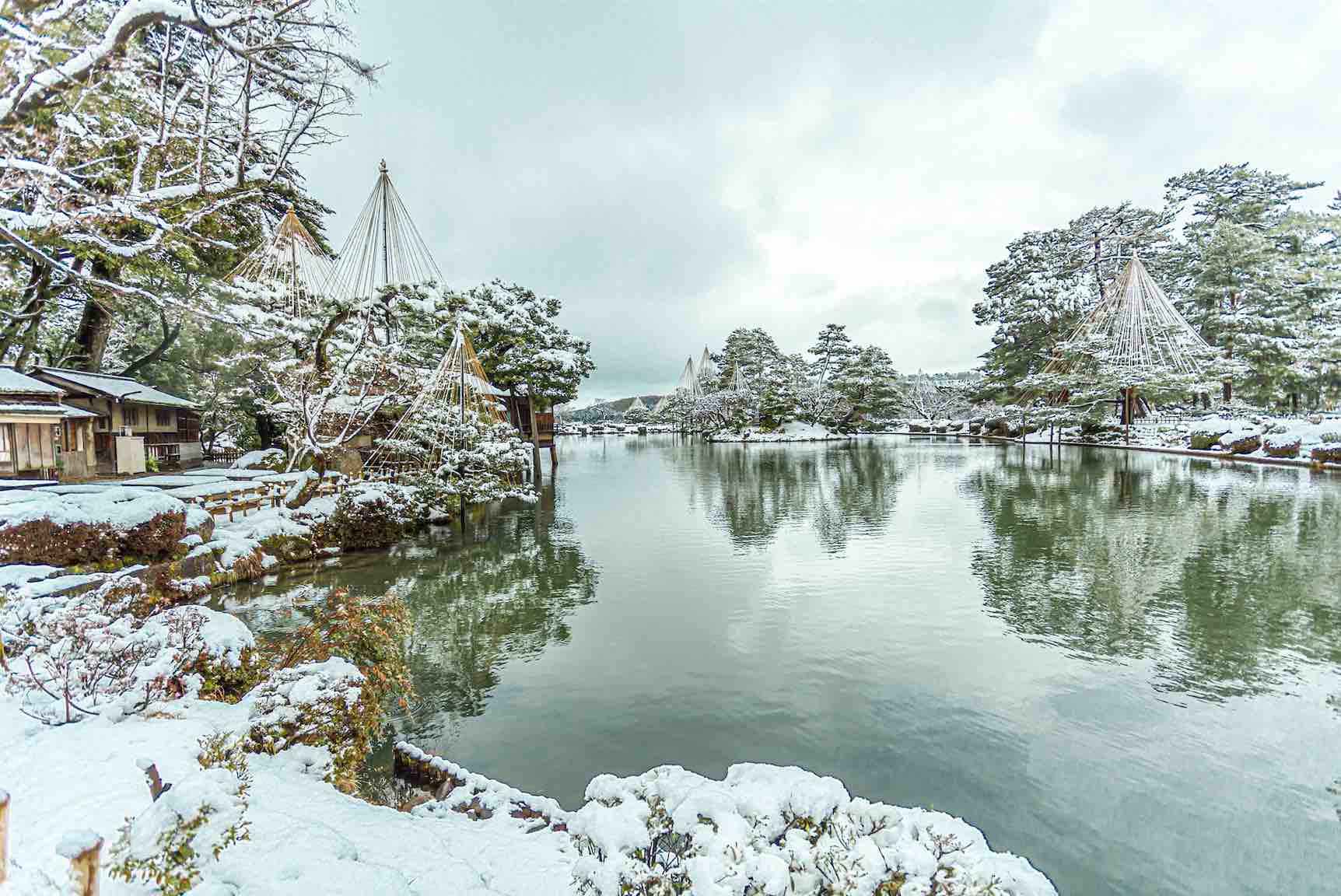
    Kenrokuen Garden 

    From our hotel we took a community bus to Kenrokuen Garden. This garden is classified as one of Three Great Gardens of Japan, so I guess the 320 yen feels a little cheap. The spacious grounds used to be the outer garden of Kanazawa Castle and feature a variety of flowering trees of seasonal natural beauty, including the snow-covered landscape with yukitsuri (snow hanging), a method of protecting the branches of the pine trees in the garden to prevent them from breaking due to heavy snow.
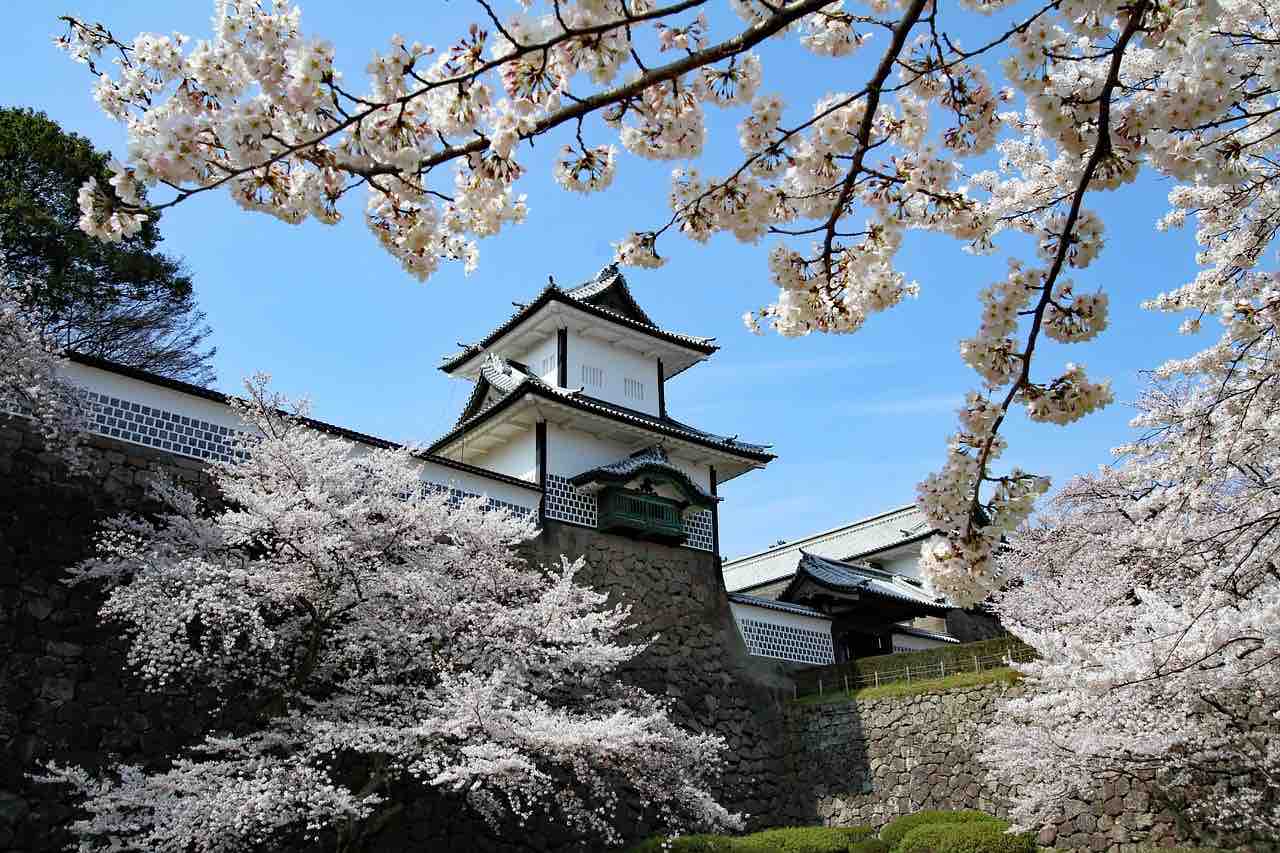
    Kanazawa Castle, Nezumitamon Gate and Nezumitamon Bridge

    Kanazawa Castle used to be seat of the Maeda Clan, a feudal domain ranking second only to the Tokugawa possessions in terms of size and wealth, from 1583 until the end of the Edo Period. Since then, the castle has been extensively rebuilt and renovated due to numerous fire incidents. In July 2020, Nezumitamon Gate and Nezumitamon Bridge on the west side of Kanazawa Castle were restored.
    Gyokusen’an Rest House 

    Located in the area of Kanazawa Castle Park, this is a tea house with a view of the Gyokusen’inmaru Garden. Sit down and have a cup of tea with wagashi, traditional Japanese sweets.

    Omicho Market

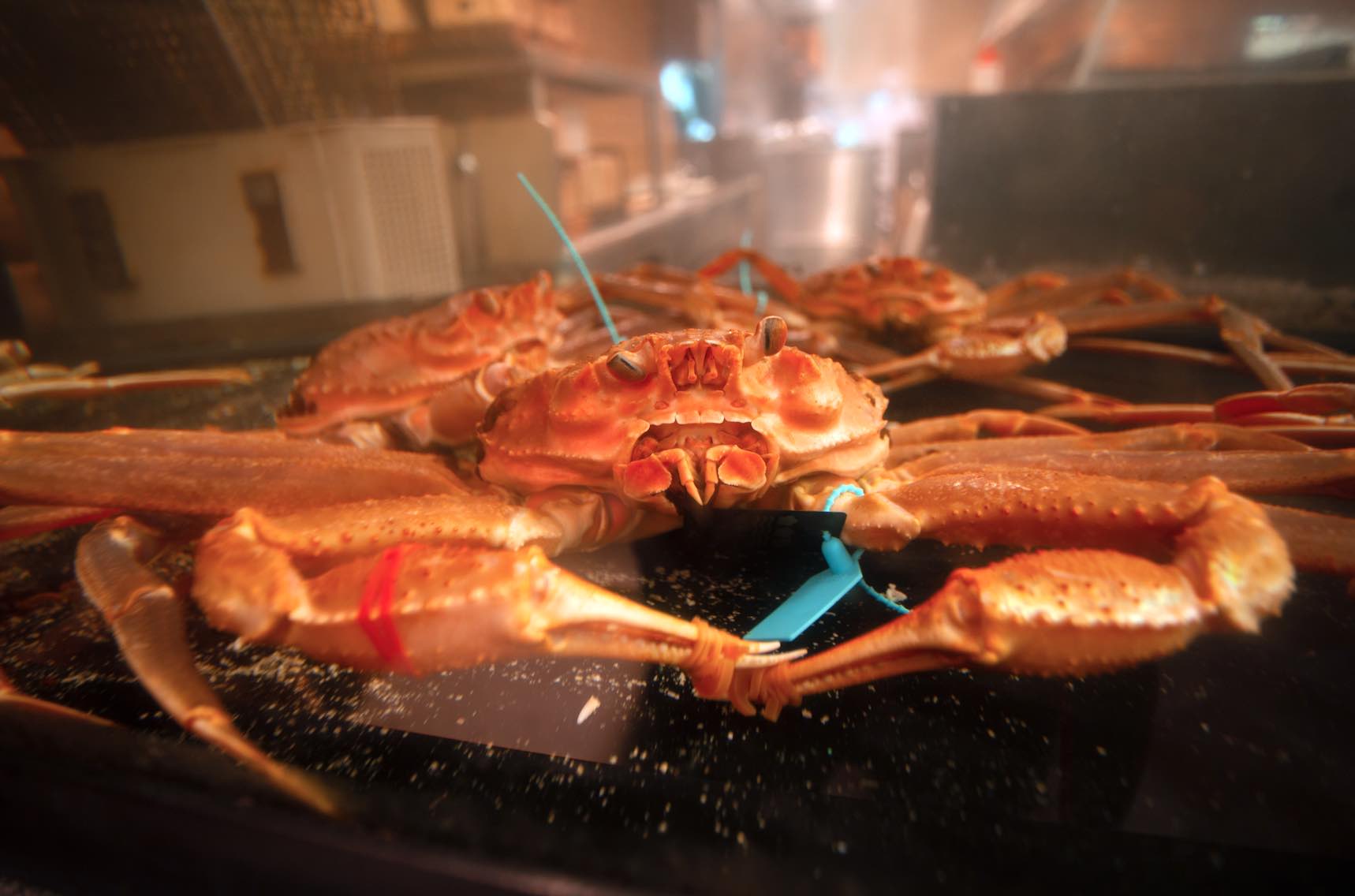
    For lunch, we had a ten minute walk to reach Omicho Market, one of Kanazawa’s largest fresh food markets. We heard that this market offers local specialties such as snow crab and sweet shrimps during winter season, so we just had to try it! Similar to Tokyo’s Tsukiji Market, hundreds of stalls and restaurants selling fresh seafood are lined up so you can choose which ones you want to try!
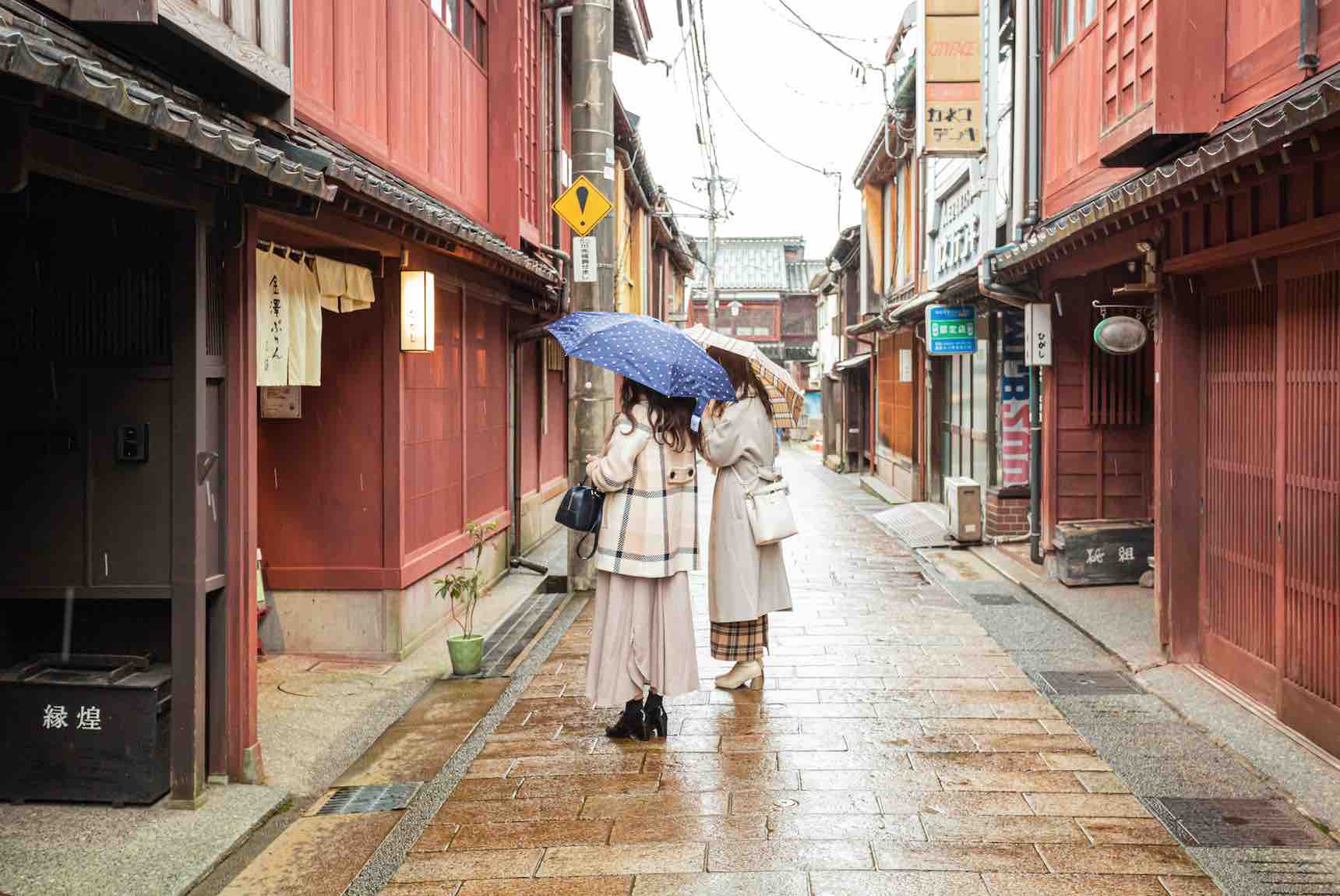
    Higashi Chaya District 

    Our last spot in Kanazawa city is no doubt the Higashi Chaya District, said to be one of Kanazawa’s largest geisha districts. Walk around the old Chaya (tea house) in a Kimono and take a photoshoot for your SNS.
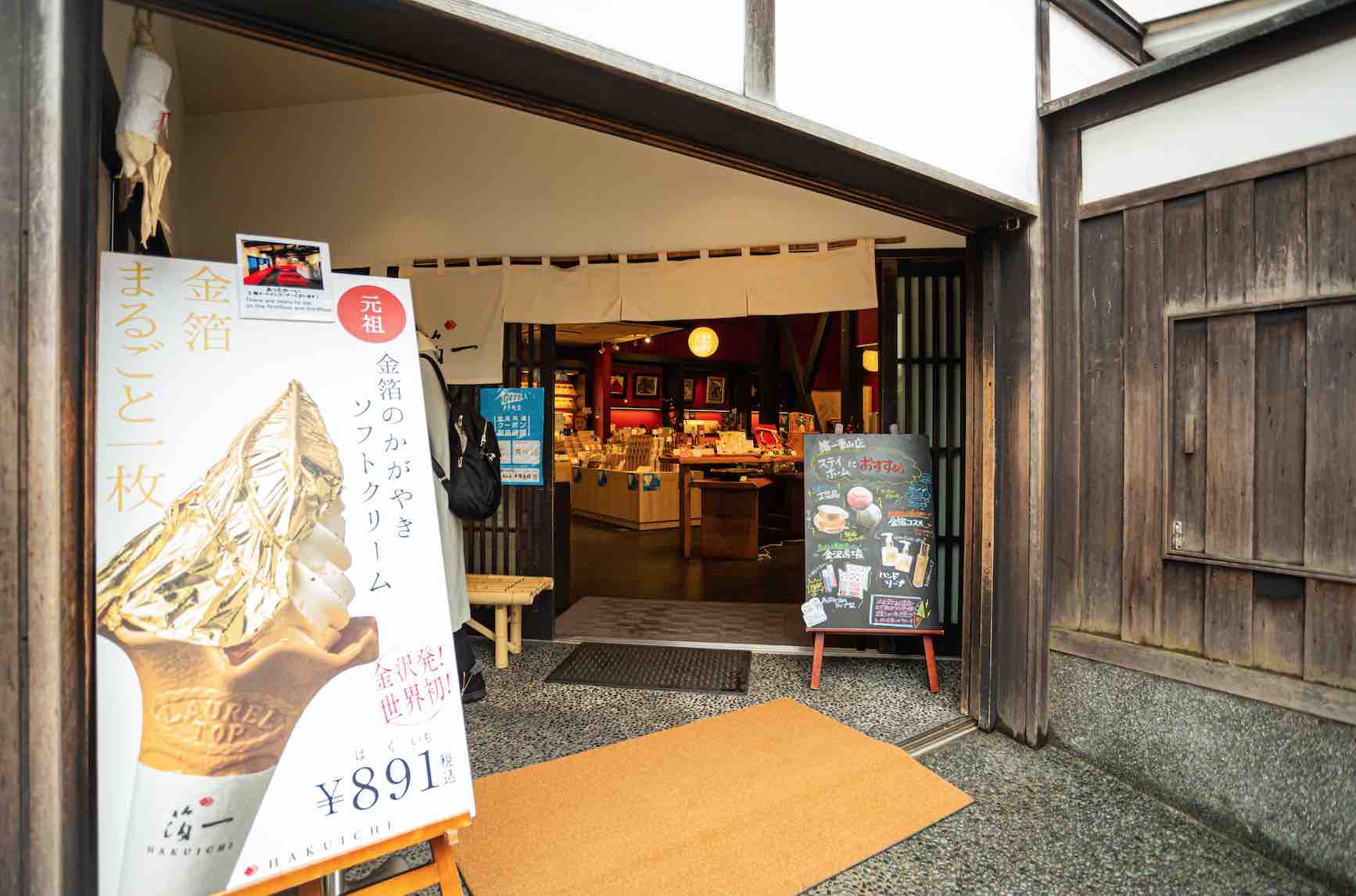
    Also, this is one of some unique places in Japan where you can try soft cream with gold leaf.

    *Note: Leave your luggage at the hotel and get back for them at end of the day. Then, take Thunderbird limited express train heading to Awara Onsen in Fukui Prefecture.
    Stay at Awara Onsen Matsuya Sensen

    Take a hotel shuttle bus from Awara Onsen to the ryokan.

    Awara Hot Spring Footbath

    After checking in, we went exploring and checked the FREE public foot bath nearby. Search for “Ashiyu” on Google Maps for this place, located just in front of Awara Yunomachi station. This decent facility offers several foot baths which are different shapes and temperatures. We wanted to try some food selling at the Yataimura Yukemuri Yokocho right in front of the foot bath building but since we still have our dinner waiting at the ryokan, we only took some photos to note down for the next trip.

    Day 5

    Fukui Station

    For our last day, we hoped on the shuttle bus and train on Hokuriku Line to go back to Fukui Station.

    Did you know that Katsuyama City in Fukui Prefecture is Japan’s most prominent dinosaur fossil discovery site? In Fukui Station’s West Exit, you can see a 10-meter model of Fukuititan, one of the dinosaurs found in Fukui. A model of the other dinosaur fossils discovered in Fukui, Fukuiraptor and Fukuisaurus, can also be found in Fukui Station.

    Yokokan Garden

    This is a Japanese stroll garden located near Fukui Station. If one has some time can have a walk here for a short relaxing time.

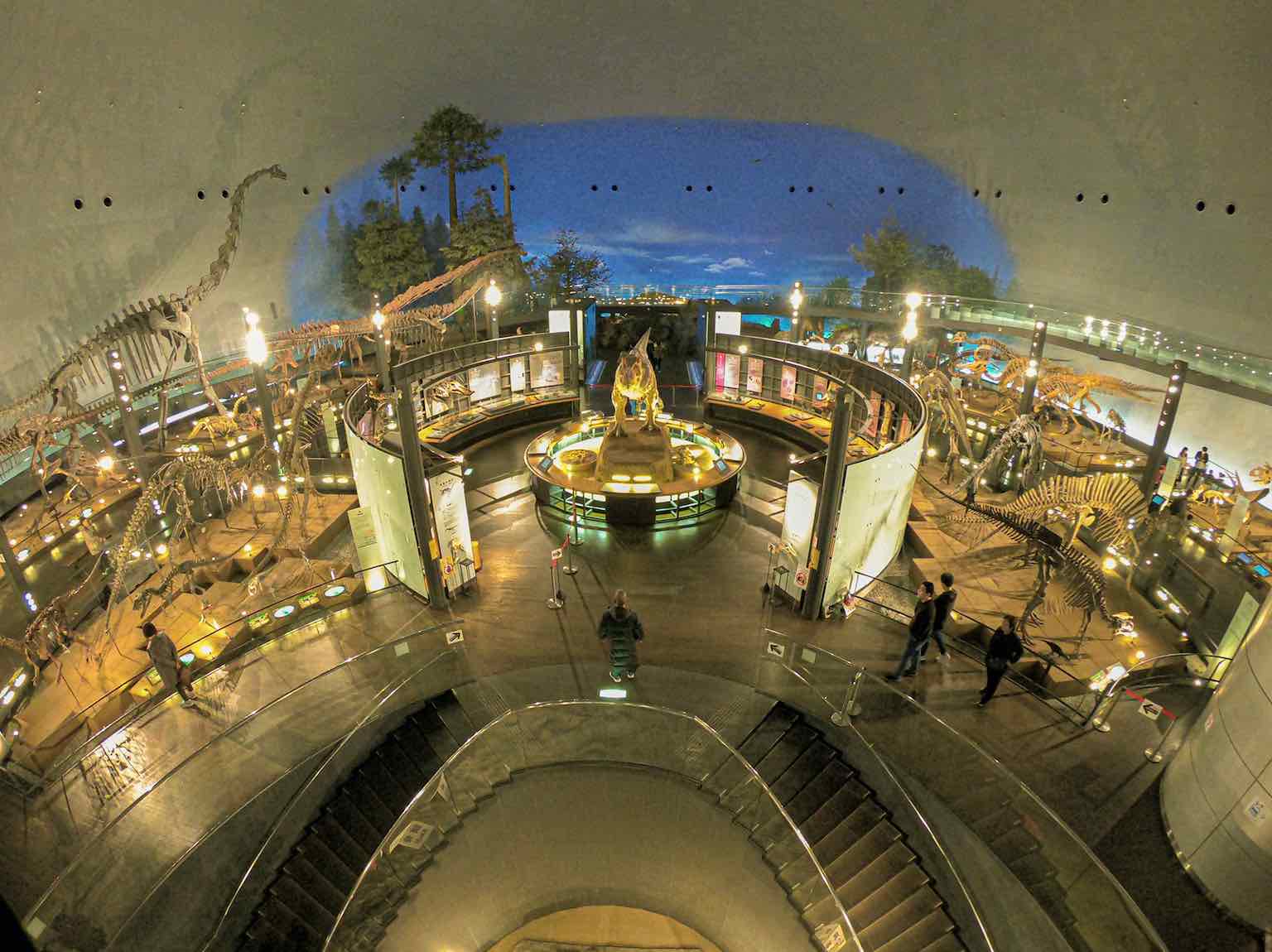
    Fukui Prefectural Dinosaur Museum 

    If you want to learn more about the Fukui dinosaurs, you can head to the Fukui Prefectural Dinosaur Museum, located almost 1 hour away from Fukui Station. This museum, located in Katsuyama City, is recognized as one of the top dinosaur museums in the world and is the largest of its kind in Japan.

    Currently, they only let visitors who already reserved a ticket to get in, in order to prevent the spreading of COVID-19.
    DINOCAFE

    The restaurant inside the museum offers western style food, Japanese style including Dino’s characters desserts that will satisfy the visitors including kids, adults and Dino’s lovers.

    About Takayama-Hokuriku Area Tourist Pass 

    If you’re planning to explore Japan’s Central region, this PASS is must-have item. Aside from being convenient, it can also help you save on transportation costs. Plan your trip well and make the most of it for 5 consecutive days.

    You can purchase it on the official website of JR Central (link below) before departing at cheaper price than buying in Japan, at about 15,280 JPY (approximately 190 SGD).

    For more details about the Pass please check this link: https://bit.ly/3kt3M3N

    Tips for the trip:

    – Stay at a hotel near the stations so you can leave your luggage there to go sightseeing. Or else, there are various coin lockers available at stations and popular tourist spot (ie, Shirakawago).

    – Reserve your seats on bus to and from Shirakawago since the place is exceedingly popular with travelers and locals. Buses are always full.

    – Once arrived at Nagoya Station, you can exchange your Takayama-Hokuriku Area Tourist Pass at the JR counter. Also, Tourist Pass holders will be able to go pass the automatic gate from March 2021.

    – Tourist Pass holders can reserve seats on Limited Express train but need to use the non-reserve seats on Shinkansen trains.

    For more details about the Pass please visit https://touristpass.jp/en/takayama_hokuriku/
  • Mercure Kyoto Station: Explore Japan Culture Capital With Ease & Comfort

    Mercure Kyoto Station: Explore Japan Culture Capital With Ease & Comfort

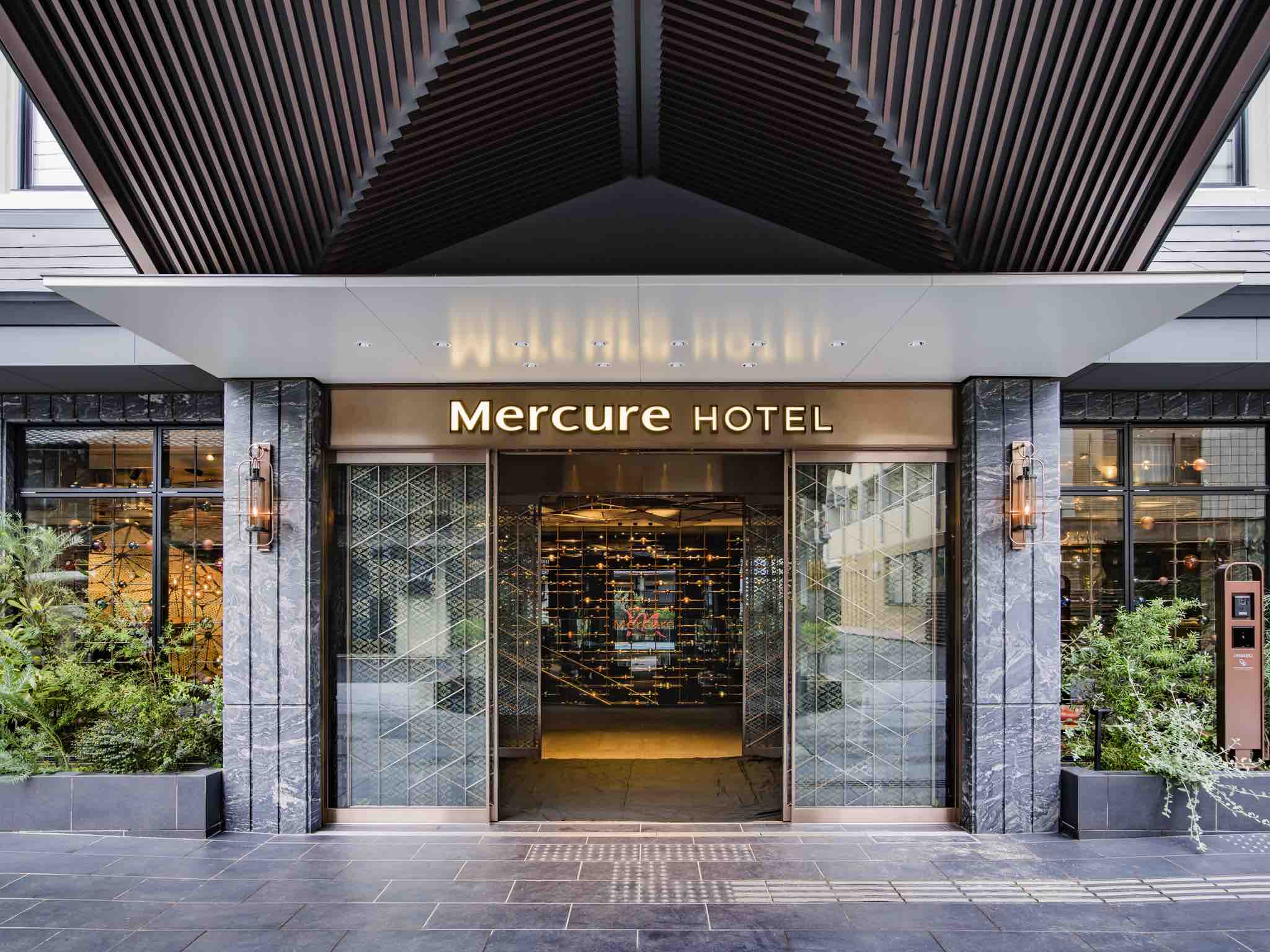
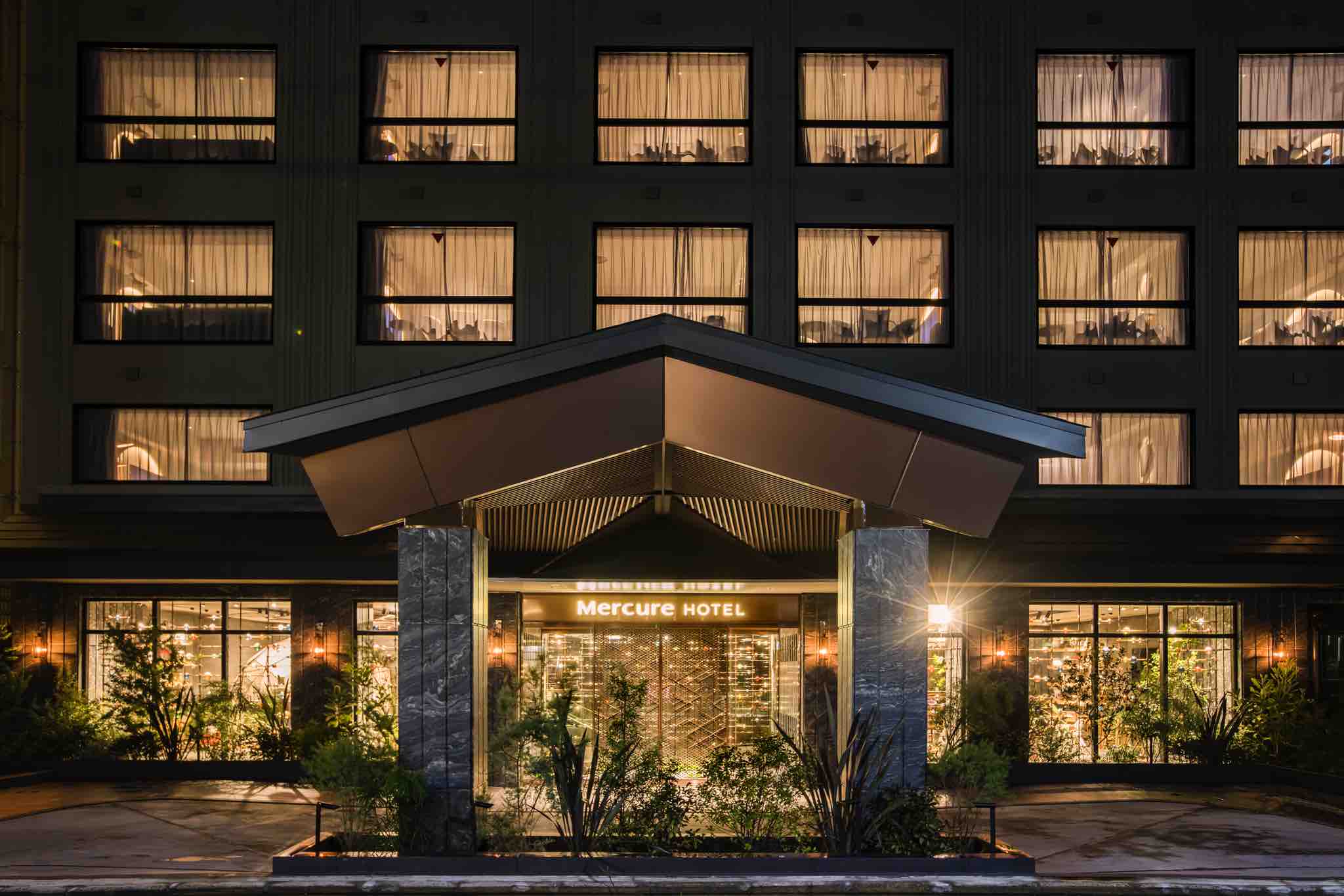
    Situated just minutes from JR Kyoto Station, travellers to Japan’s famed cultural centre can now enjoy the very best in comfort and accessibility with the Mercure Kyoto Station

    Mercure Kyoto Station – Design Concept

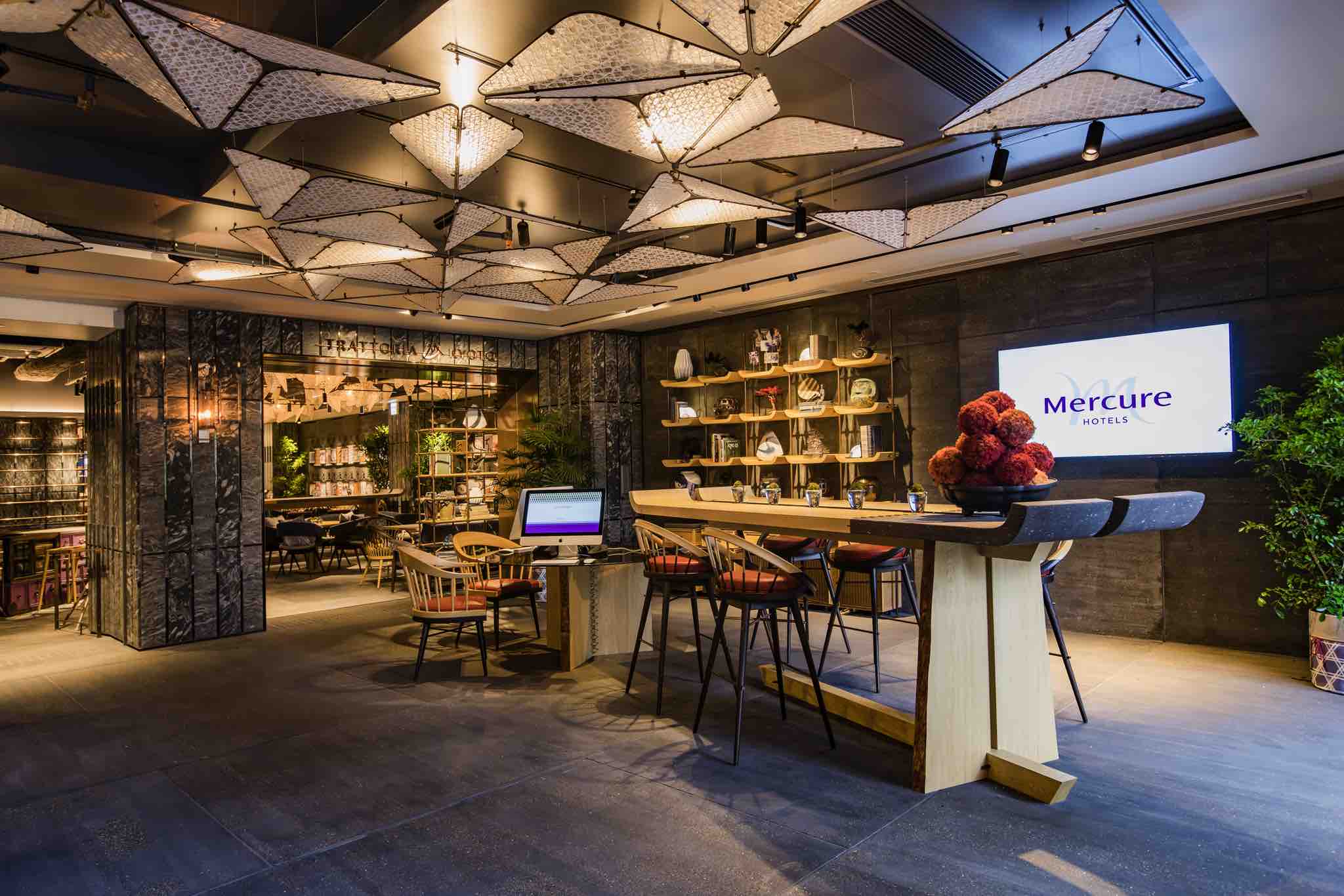
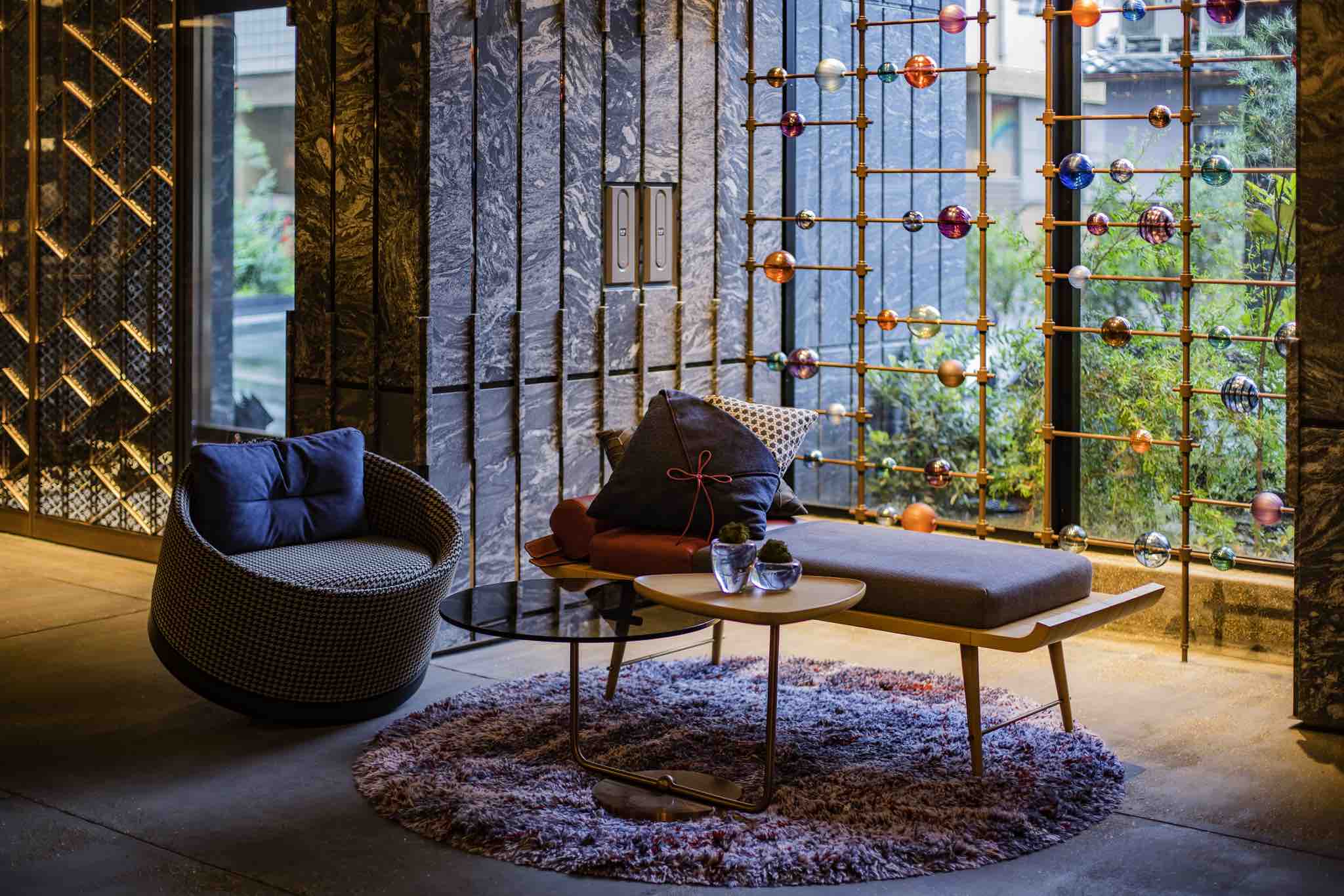
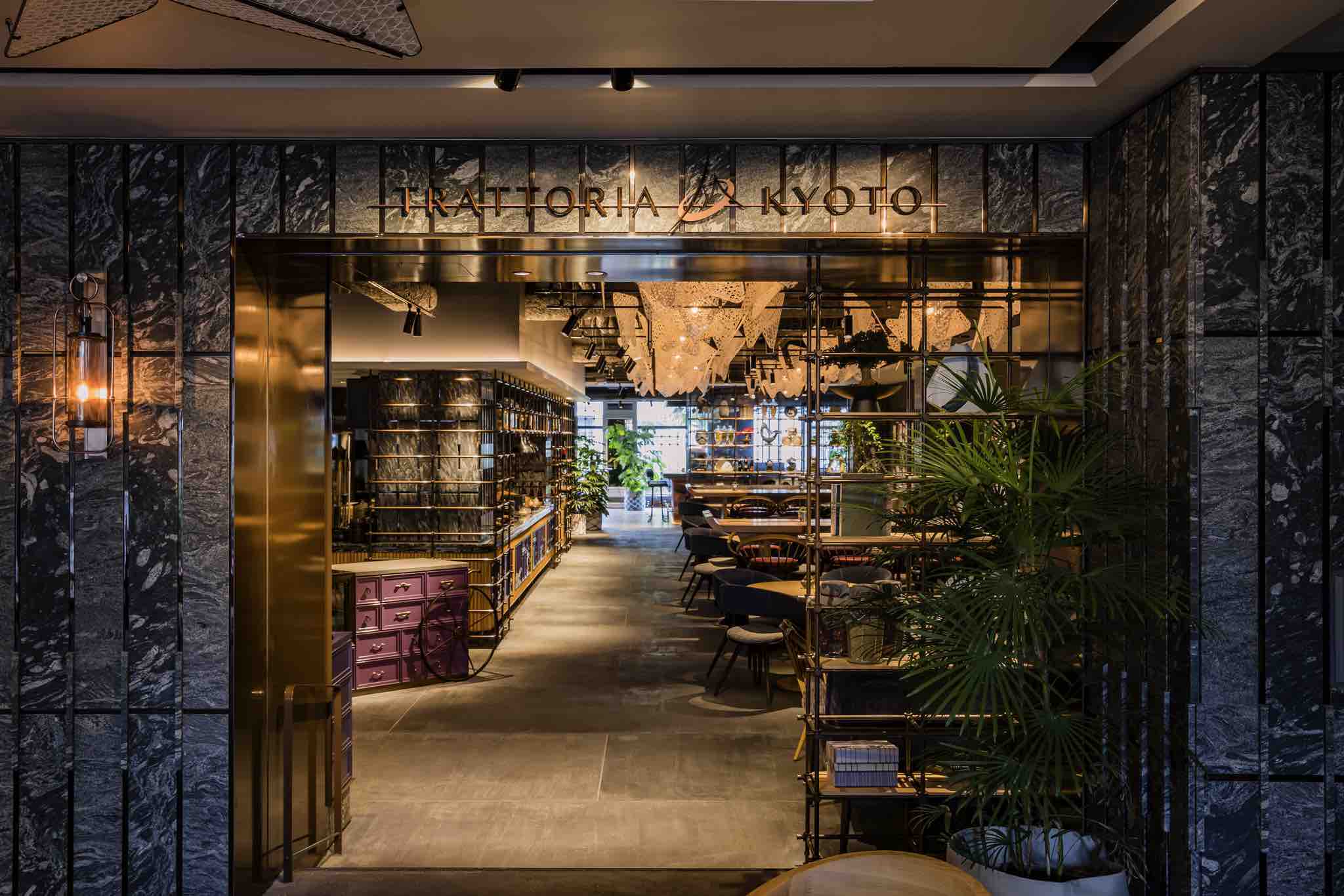
    Mercure Kyoto Station is the first Mercure branded hotel in the Kansai region. Playful design elements can be found throughout the stylish interiors. The main lobby features an installation of the Japanese handmade origami kemari, Heian-era football, and a colourful design wall composed of blown glass spheres. Notable buildings such as Kyoto Tower and Shimabara Oomon are located within walking distance from the hotel while the World Heritage sites of Nishi Honganji and Toji are located within close proximity.

    “With 1200 years of history, Kyoto is known as Japan’s finest city for culture and tradition. We are honoured to pay homage to the pastimes of Heian nobility through the hotels unique motifs and interior designs, ensuring guests can enjoy an immersive journey into the local culture for which this city is well known”, said Mr. Shumpei Mizuno, Hotel Manager of Mercure Kyoto Station.

    Mercure Kyoto Station – The Rooms

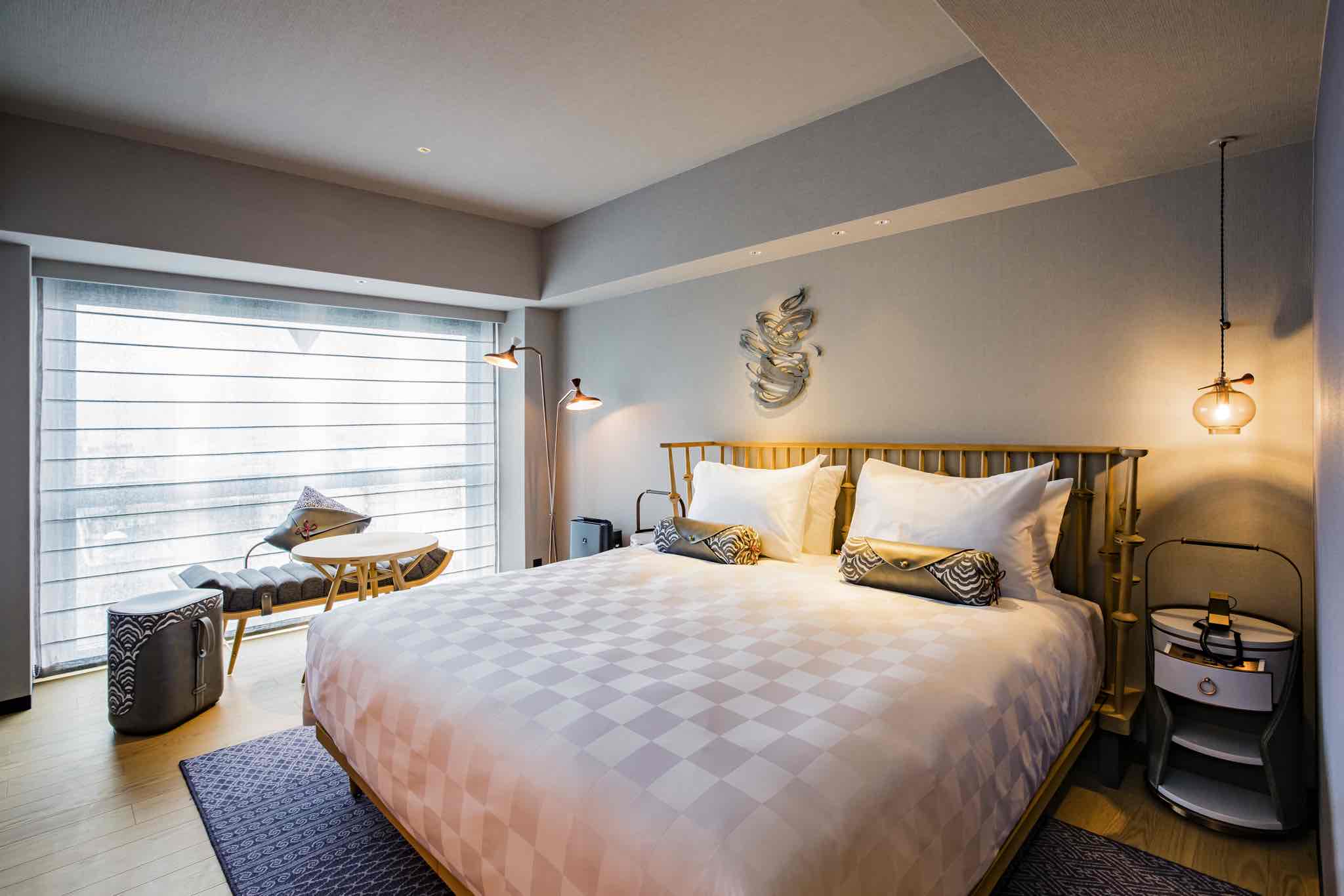
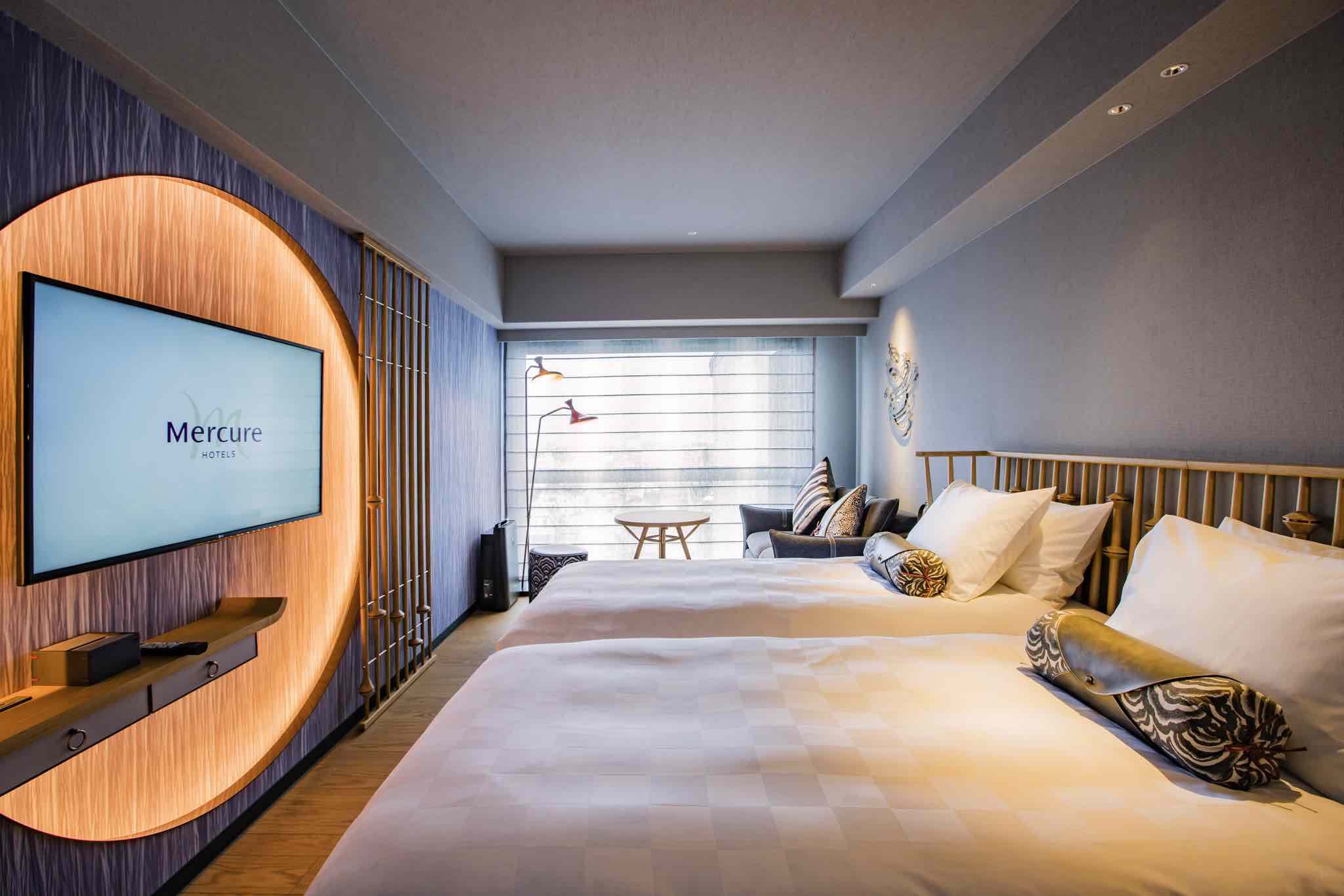
    The hotel boasts 225 guestrooms, ranging from 23 to 34 square meters with design elements including motifs from the Heian period – a nod to the ancient history for which Kyoto is renowned. Each floor features a different theme with various traditional patterns, and premium rooms feature vibrant artworks and decorative touches.

    “We are very pleased to launch our sixth Mercure hotel in Japan, joining a worldwide network of over 850 Mercure-branded hotels across 62 countries. With such an extensive reputation worldwide, the Mercure brand offers peace of mind to both business and leisure travellers who seek hotels that are locally inspired and brought to life by genuine and enthusiastic teams. Mercure Kyoto Station is indeed a portal to the city of Kyoto with an exciting array of modern facilities and outlets, and I am confident that the team will deliver a very genuine experience for those visiting this historic city”, said Patrick Basset, Chief Operating Officer for Accor, Upper Southeast & Northeast Asia and the Maldives.

    Mercure Kyoto Station – Wine & Dine Options

    Trattoria M Kyoto, a live kitchen-style bistro restaurant and bar, will offer dining choices throughout the day. Guests can also unwind in the exclusive underground lounge which is inspired by gagaku, a type of Japanese classical music performed at the Imperial Court in Kyoto since the 7th century. The lounge will feature original furniture from the Heian period and books providing insights into the ancient traditions of Japan.

    Mercure Kyoto Station is located at 288 Aburanokojicho Shimogyo ku, 600-8231, Kyoto, Japan, 500 metres from JR Kyoto Station and 47km from Osaka International Airport. For more information, please visit www.all.accor.com, or email HB4F4-RE1@accor.com for general enquiries and reservations.

  • ibis Styles Nagoya Introduces Trendy Hospitality To Business District

    ibis Styles Nagoya Introduces Trendy Hospitality To Business District

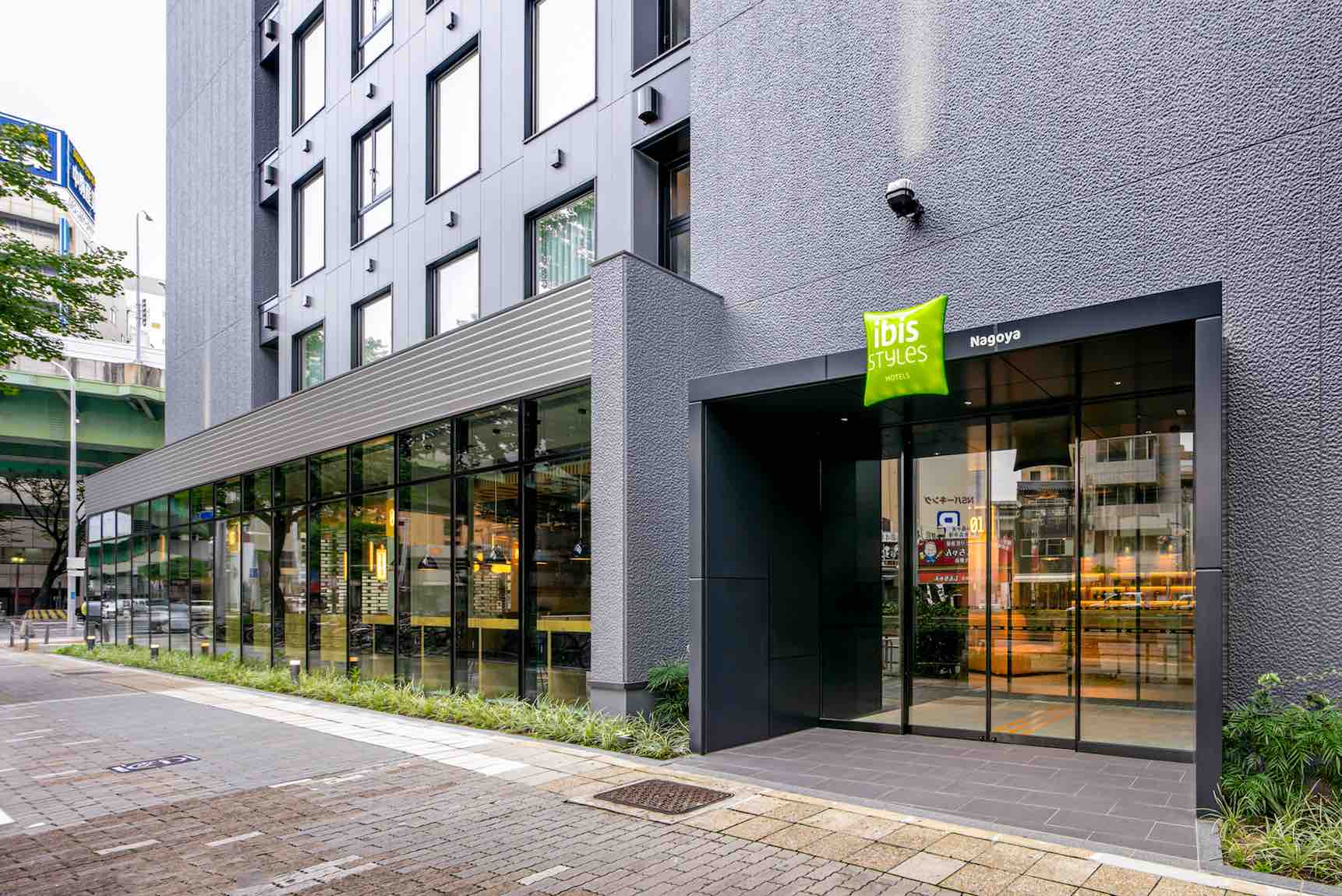
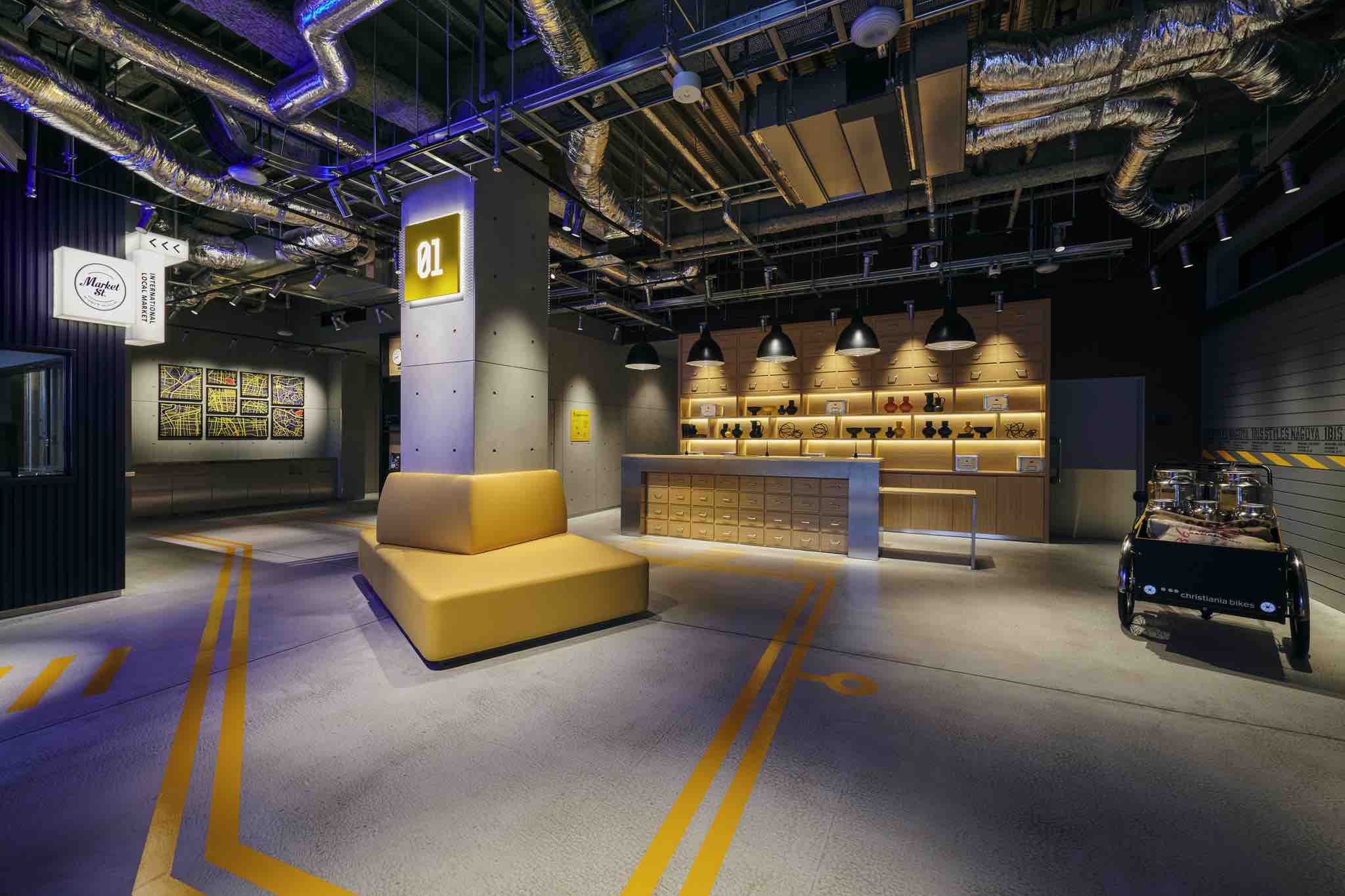
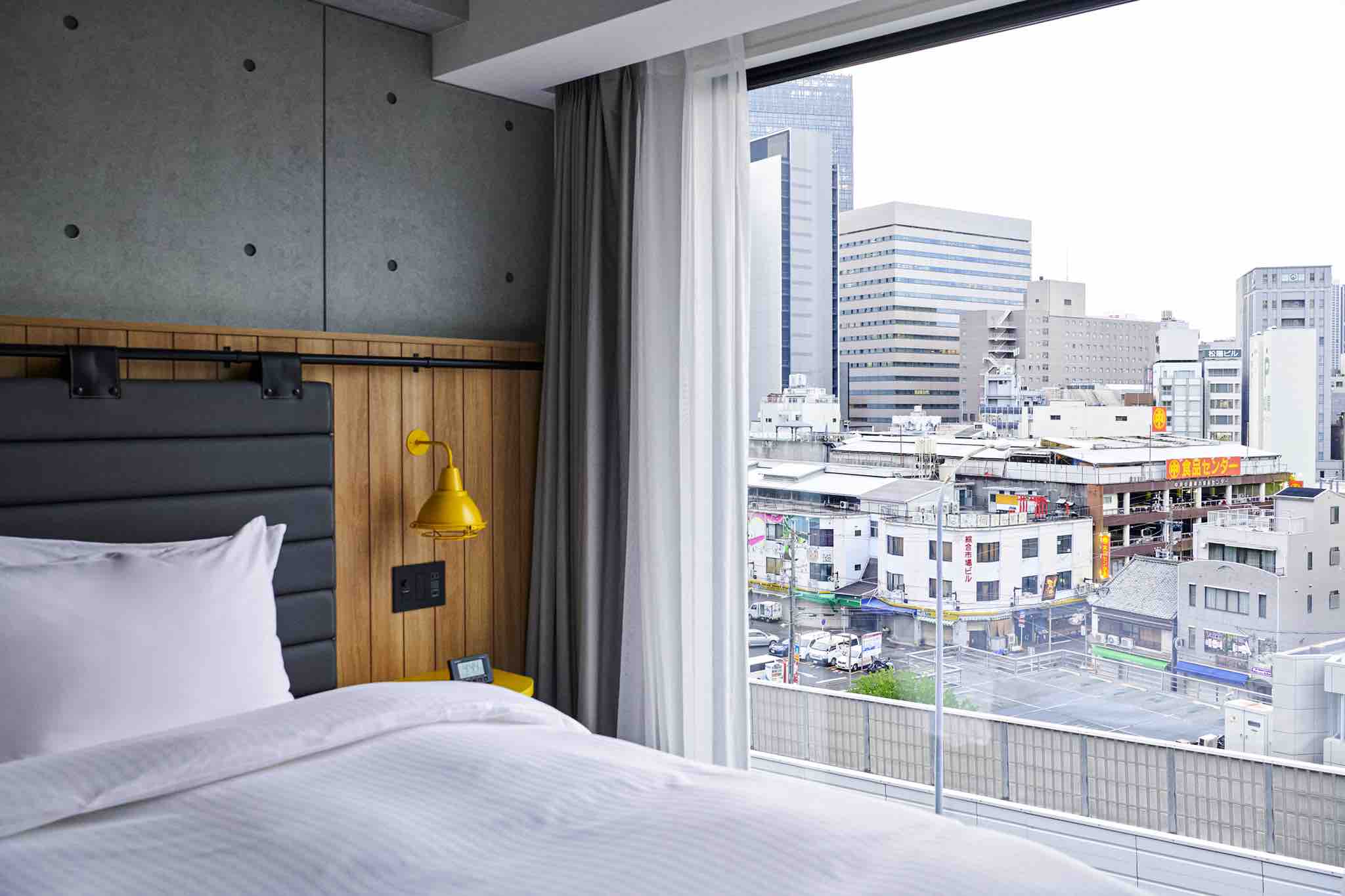
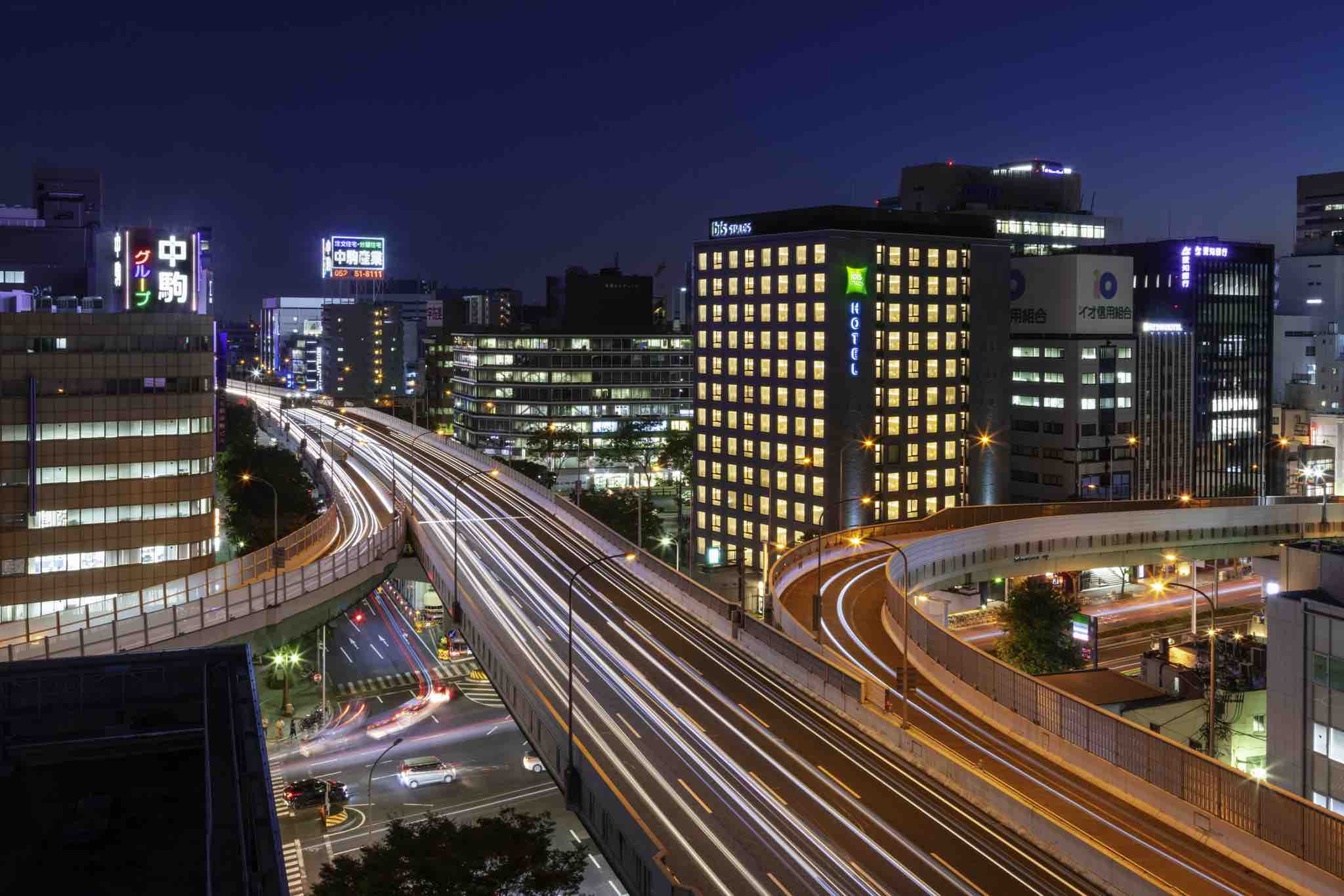
    ibis Styles, a design-driven brand within the Accor group, has unveiled the 284-room ibis Styles Nagoya in the Chūbu region of Japan. Conveniently located within walking distance from Nagoya Station, the hotel is a perfect fit for business and leisure travellers seeking a trendy hotel experience with easy accessibility to nearby attractions and business districts.

    ibis Styles Nagoya – Inspirations Behind The Design

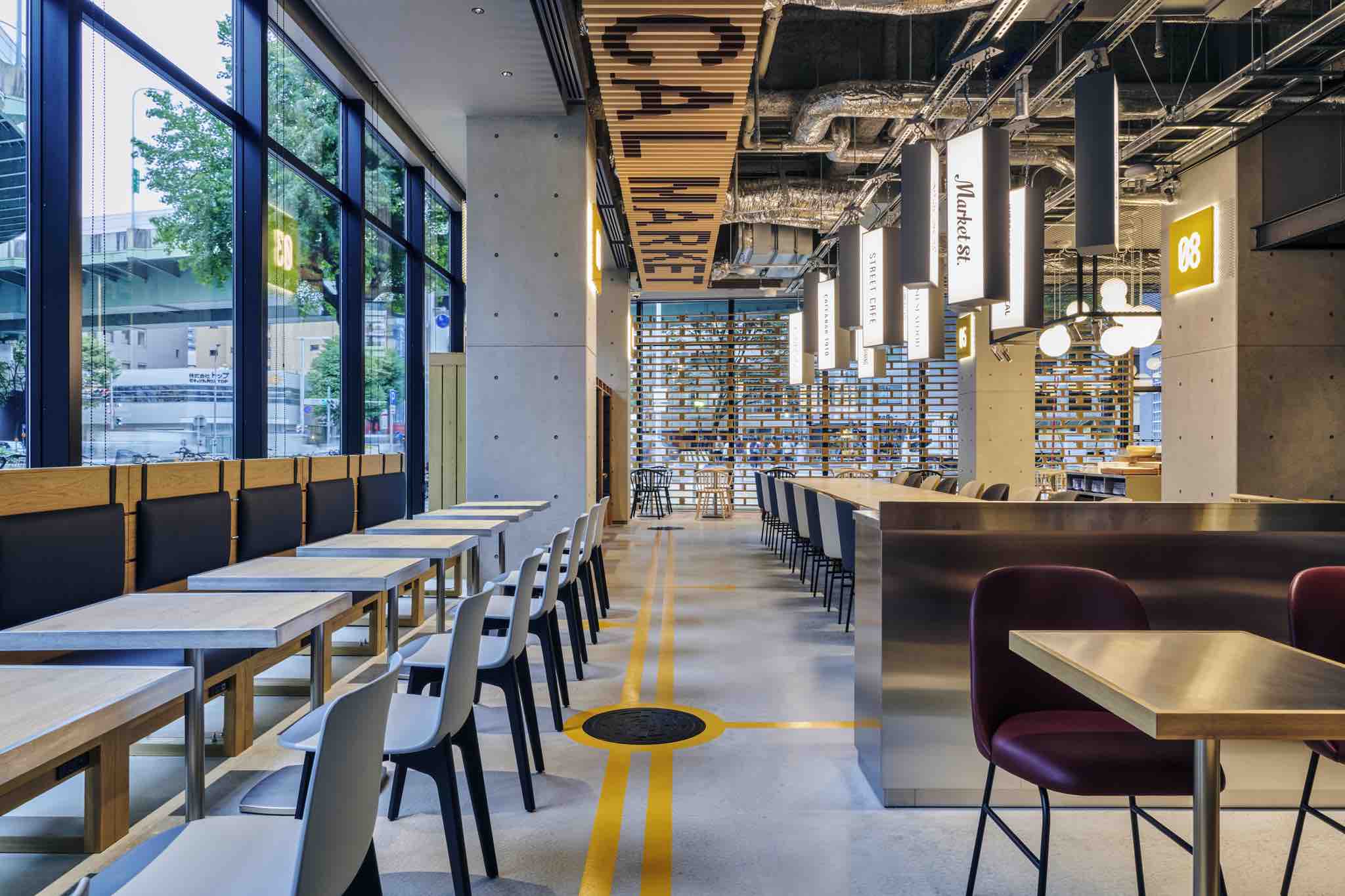
    The design of the hotel draws inspiration from the vibrancy of the adjacent Yanagibashi Central Market, a renowned food market with over 400 shops, restaurants and food stalls where locals flock to gather fresh produce or grab a bite to eat.

    “We are delighted to introduce our first ibis Styles hotel in Nagoya. The ibis Styles brand is dedicated to providing a fun hotel experience with modern comforts and unique design to budget-conscious travellers. Apart from being the home of Japan’s automotive industry, Nagoya also boasts a rich history and dynamic culinary scene. The opening of ibis Styles Nagoya is an exciting step for our expansion across Japan’s top destinations,” said Patrick Basset, Chief Operating Officer of Accor, Upper Southeast & Northeast Asia and the Maldives.

    ibis Styles Nagoya – Bringing Trendy Hospitality To The Business District  

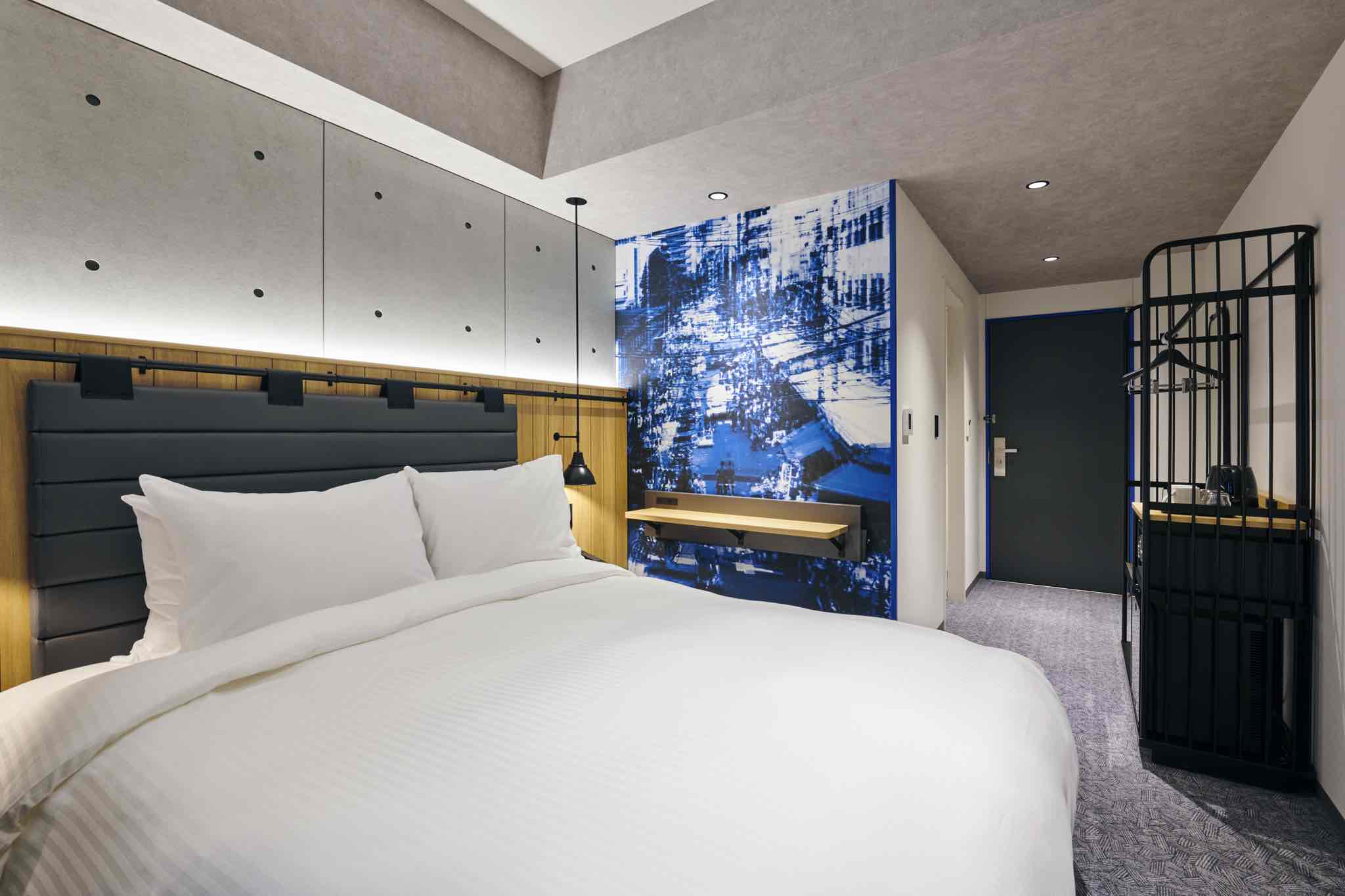
    The compact 18 square-metre Double Room and 20 square-metre Twin Room are stylishly decorated boasting the signature ibis Styles SweetBed for a restful night’s sleep. All rooms feature 49-inch 4K televisions, air purifiers with plasma cluster function, night tables equipped with power outlets and USB connectors, and rain showers. Interconnecting rooms are available for families and groups.

    ibis Styles Nagoya – Wine & Dine Options

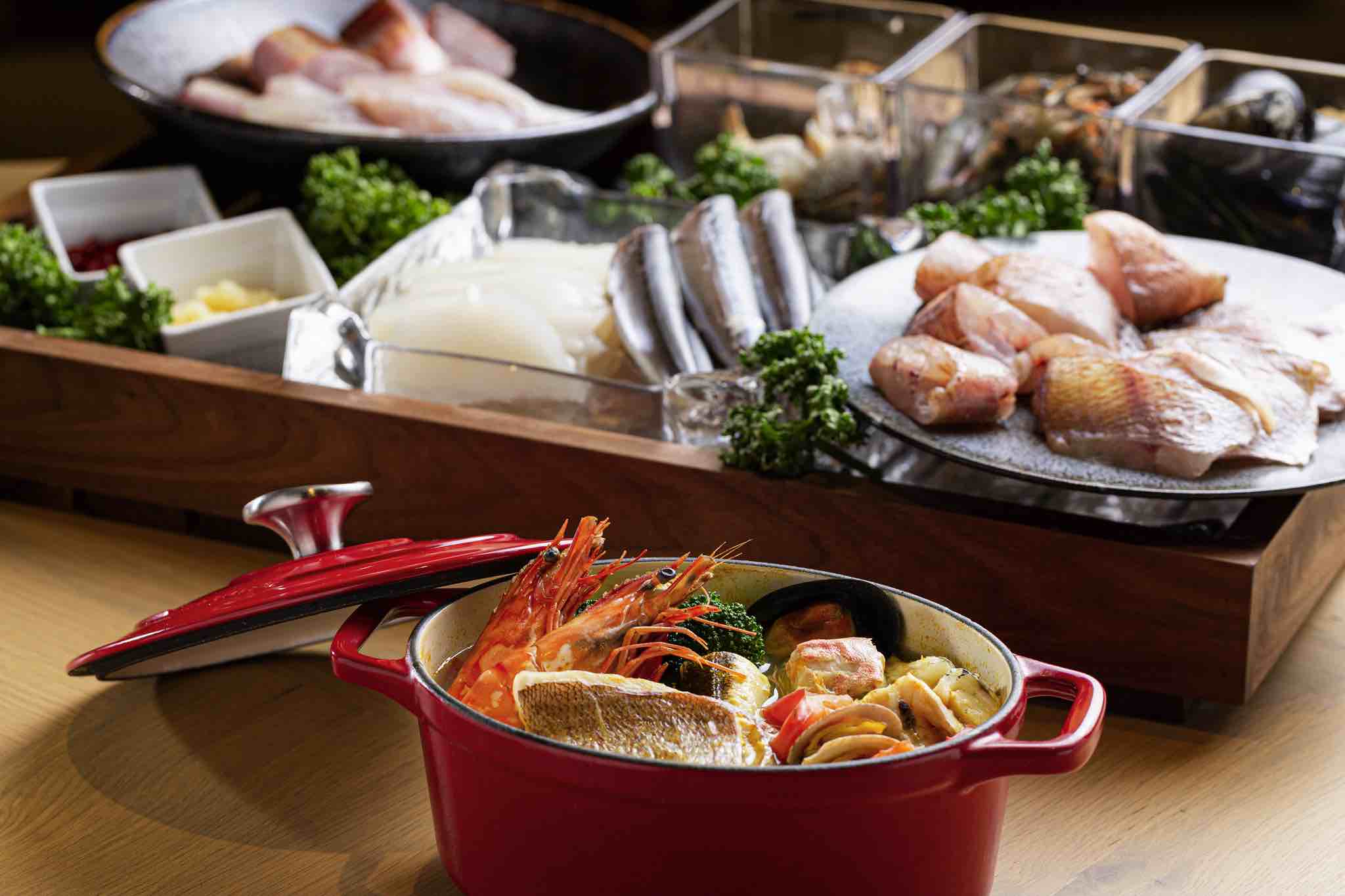
    Dining option includes MARKET St., a café style restaurant offering freshly brewed coffee and all-day dining which combines local and international flavours to offer an array of globally inspired dishes. The design of the restaurant was inspired by the local Yanagibashi Central Market, which has been serving food to local residents and international visitors for over 100 years. The restaurant features a multi-purpose area that can be used as a co-working and meeting space for up to 20 guests.

    ibis Styles Nagoya captures the local spirit of our neighbourhood with a stylish and creative personality. Thanks to our prime location near the train station and local market, we believe this new hotel will become a favourite base among local and international guests to explore the city. We look forward to welcoming travellers looking for an economy-priced hotel with all the modern travel necessities,” said Takehisa Gunji, General Manager of ibis Styles Nagoya.

    For more information and reservations, please email hb4f6-re1@accor.com or visit here. ibis Styles Nagoya is located at 4-22-24 Meieki, Nakamura-ku, Nagoya-shi, Aichi, 4500002, Nagoya, Japan.

  • Kyoto Yura Hotel Nijo Jo Bettei MGallery Exudes Elegance All Seasons

    Kyoto Yura Hotel Nijo Jo Bettei MGallery Exudes Elegance All Seasons

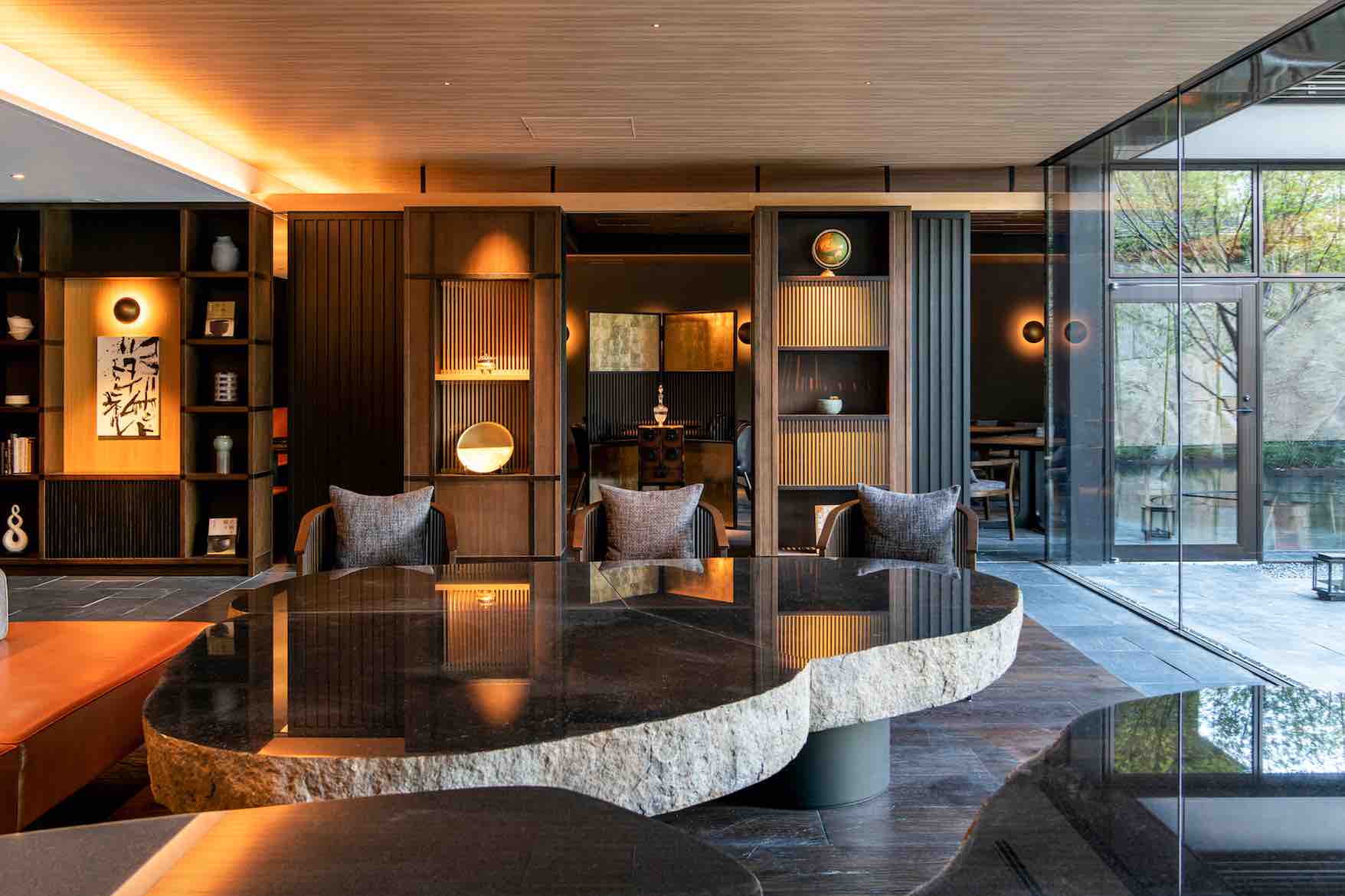
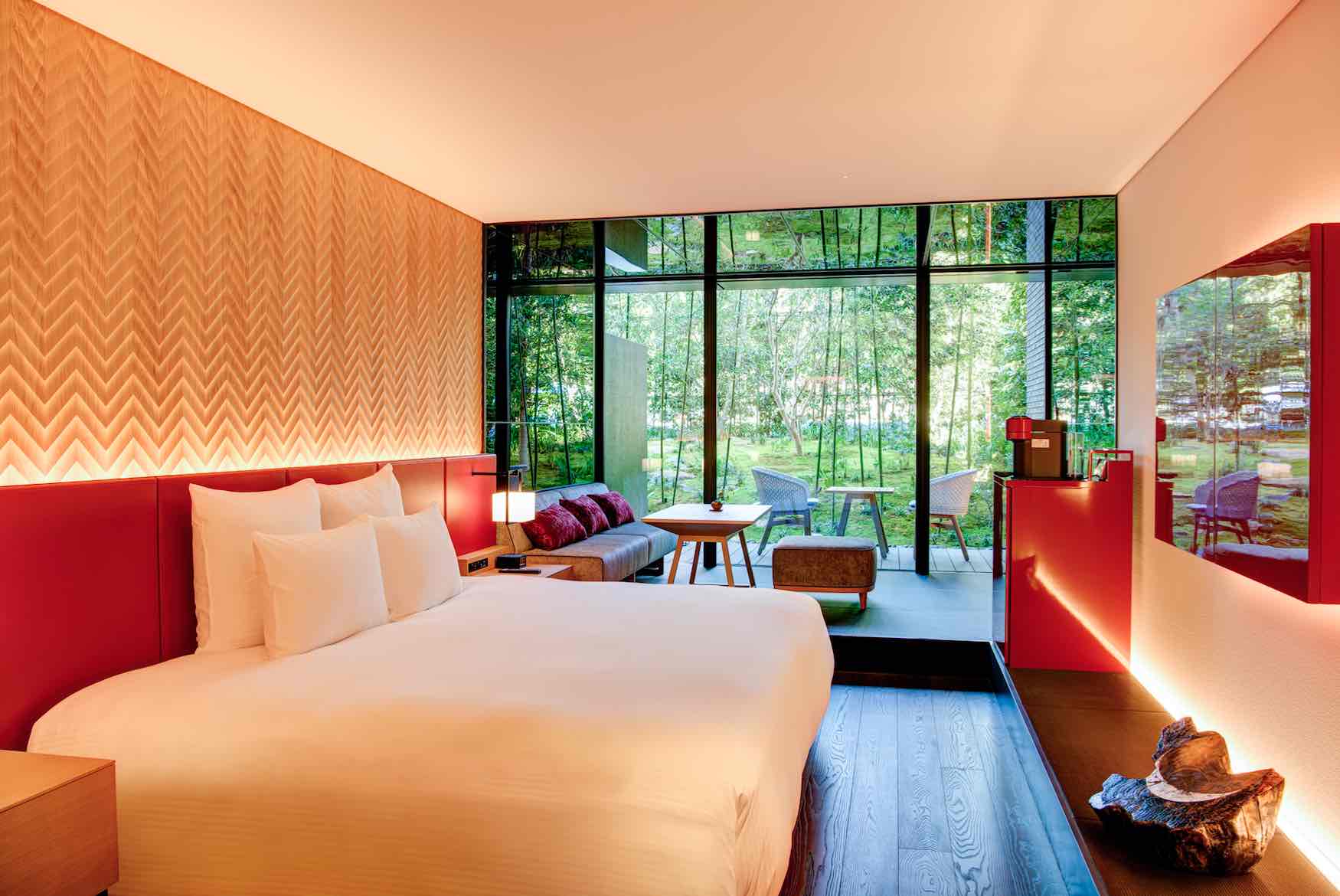
    Situated in the quiet cityscape of Kyoto, Kyoto Yura Hotel Nijo Jo Bettei MGallery is designed by renowned architect Yukio Hashimoto and is centred around a Japanese garden, offering an elegant portal to the four seasons. Hashimoto Yukio’s philosophy focusses on designing ambience rather than focussing solely on materials, allowing him to create timeless and minimalistic interiors.

    Kyoto Yura Hotel Nijo Jo Bettei MGallery – The Rooms

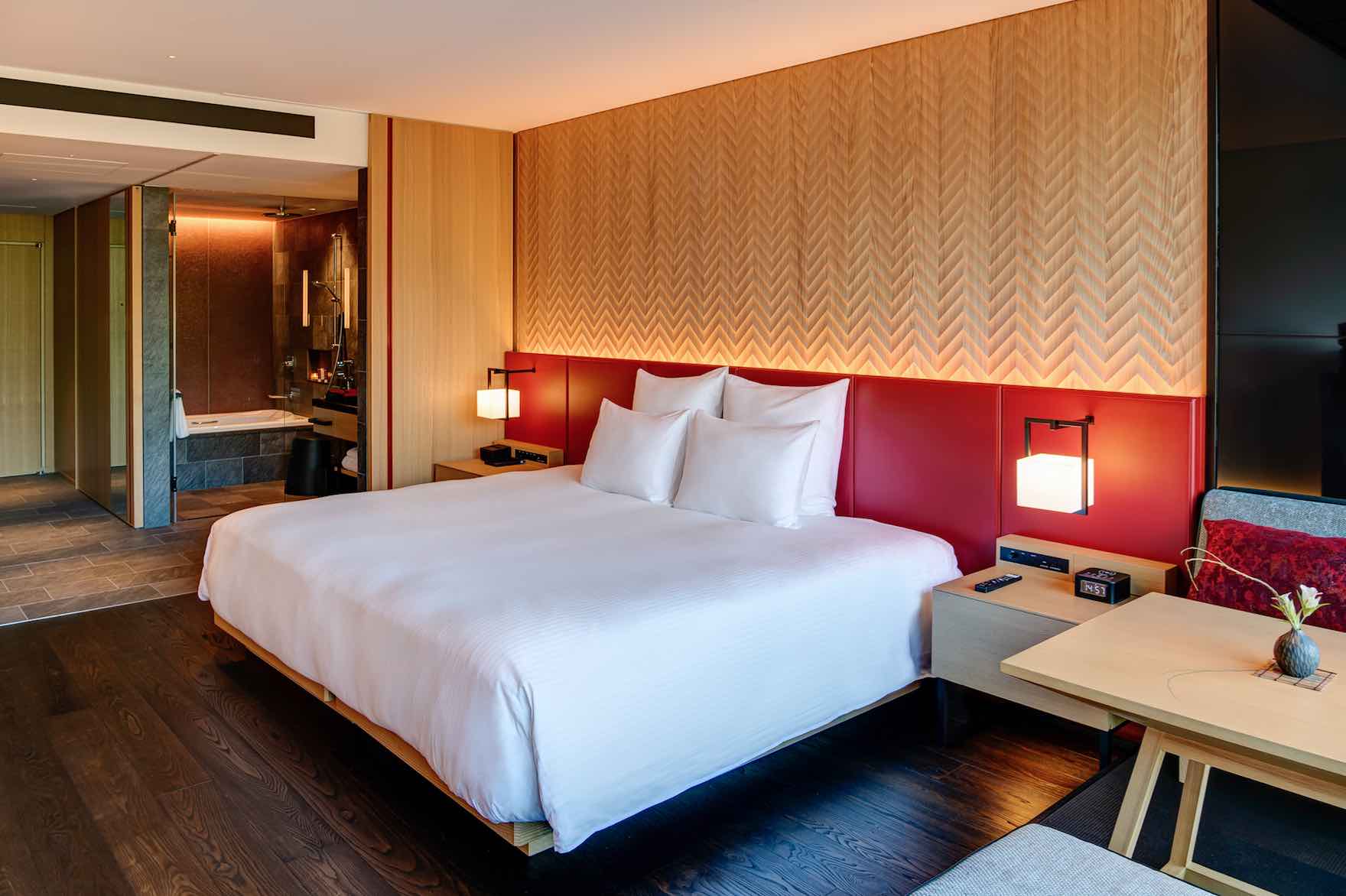
    The luxury boutique hotel offers a collection of 25 rooms, from the 40-45 square metre Deluxe Room to the 53 square metre Rikyu Suite. Select rooms feature balconies with views towards Nijo Castle and all rooms overlook the Japanese gardens, along with amenities including espresso machines, air-purifiers, mini-bar facilities and separate bathrooms.

    Kyoto Yura Hotel Nijo Jo Bettei MGallery – Wine & Dine Options

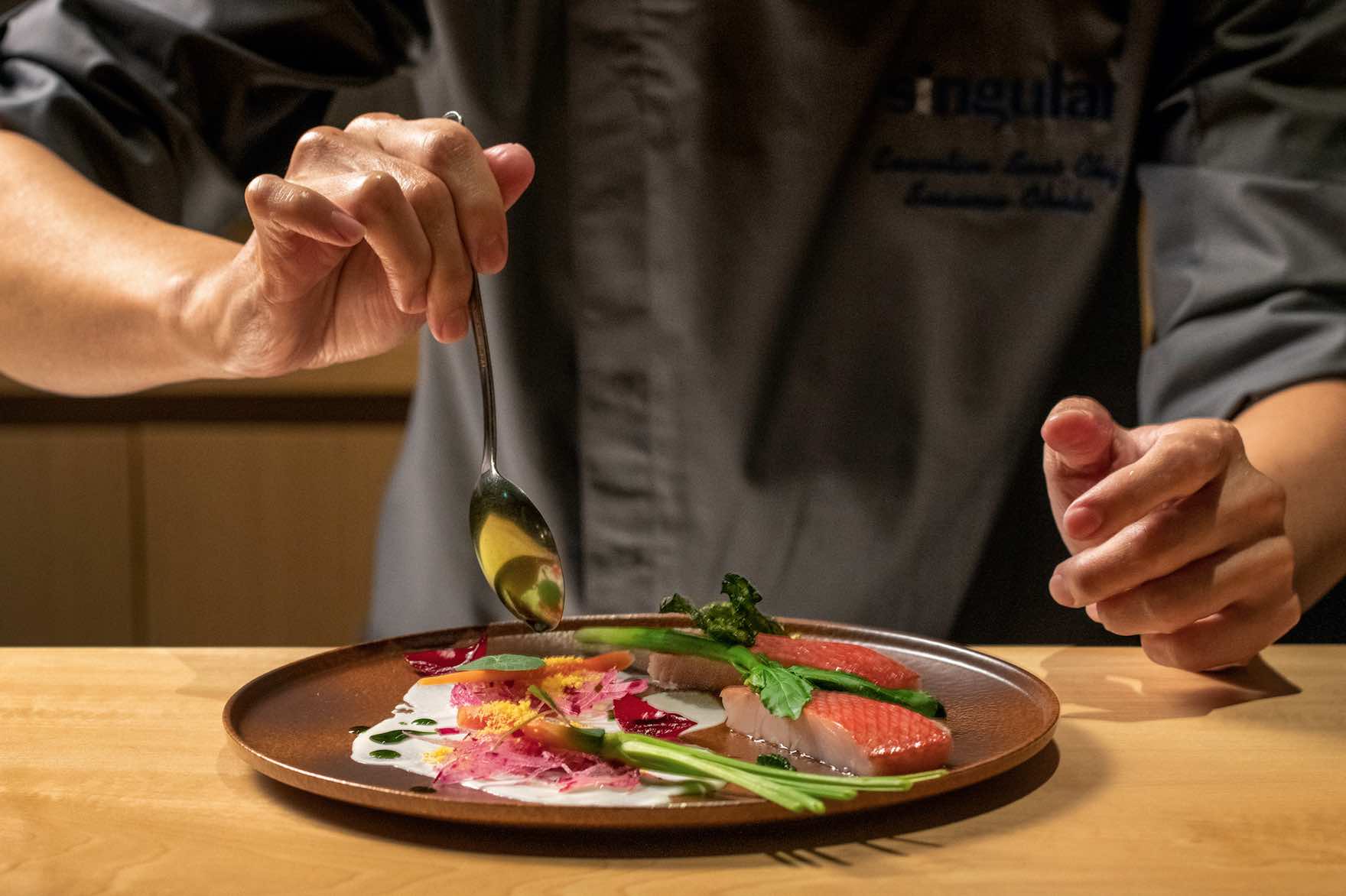
    The hotel’s restaurant and bar, Singular, will specialise in French offerings, inspired by Japan’s beauty and the rich culinary traditions of Kyoto. Chef Susumu Okubo, whom trained under the French culinary masters Alain Ducasse and Pierre Gagnaire, will lead the restaurant; inviting guests to experience culinary masterpieces prepared using local ingredients gathered from carefully select producers across the region. Okubo most recently served as Chef de Cuisine of the one-star Michelin restaurant, Pierre, in Osaka.

    Patrick Basset, Chief Operating Officer for Accor, Upper Southeast & Northeast Asia and the Maldives commented: “The opening of our second MGallery hotel in Japan signals our confidence in this brand to offer something truly distinctive to travellers. We know that our guests are continually seeking authentic and original experiences, and we predict this to be an even stronger trend in the years to come. With the opening of Kyoto Yura Hotel Nijo Jo Bettei MGallery, we look forward to welcoming guests to come and experience many memorable moments in Kyoto, a charming city with countless unique stories to tell.”

    Kyoto Yura Hotel Nijo Jo Bettei MGallery – Attractions Just A Stone-throw Away

    The hotel is located in close proximity to Nijo Castle – one of the seventeen Historic Monuments of Ancient Kyoto, which has been designated by UNESCO as a World Heritage Site. The central Kyoto district offers an array of sights and attractions including Kyoto Gosho, the Imperial Palace. Nijo Jo Mae Station is also just a short walk away, offering guests convenient accessibility via the Tozai Subway Line. For the convenience of guests who travel by train, the hotel offers a private transfer service from Kyoto Station.

    “We are very excited to introduce this truly special hotel in Kyoto which is sure to become one of Japan’s most mysterious hideaways. We look forward pursuing the highest levels of excellence and crafting an array of authentic experiences for our guests on their next visit to this historic city”, commented Yuko Sato, General Manager of Kyoto Yura Hotel Nijo Jo Bettei MGallery.

    Kyoto Yura Hotel Nijo Jo Bettei MGallery – Opening Special

    To celebrate the hotel’s opening, guests can experience a sumptuous ten-course menu paired with five glasses of wine at the hotel’s signature restaurant, Singular, from JPY77,000 until 17th March 2021. Members of Accor’s lifestyle loyalty program, ALL – Accor Live Limitless can enjoy 20% discount on the best available rate including breakfast starting from JPY48,800 on weekdays from Sundays to Thursdays until 17 March 2021.